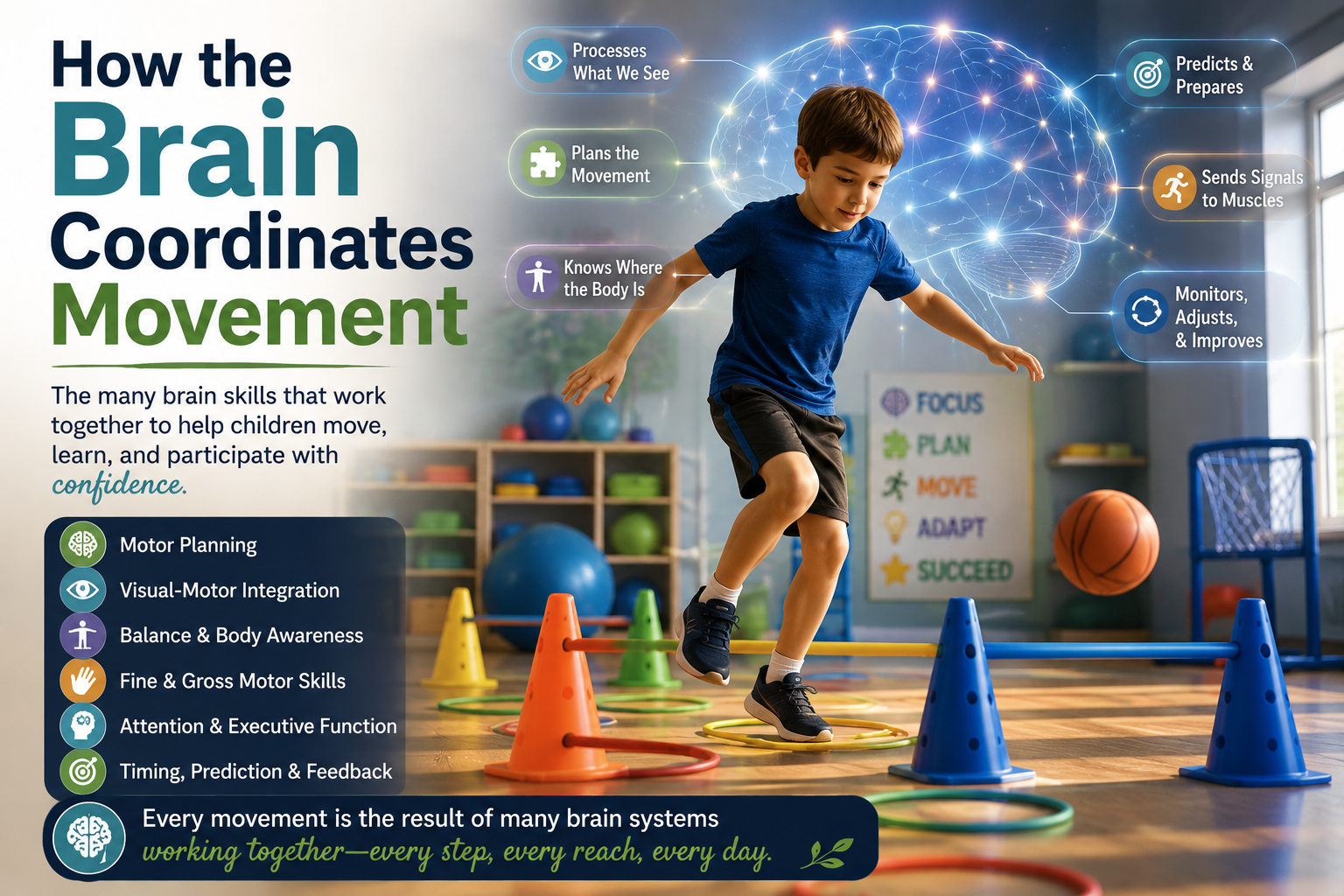
Movement can look effortless. A child sees a ball, reaches out, catches it, adjusts their balance, and prepares to throw it back—all within seconds. Yet

Movement can look effortless. A child sees a ball, reaches out, catches it, adjusts their balance, and prepares to throw it back—all within seconds. Yet
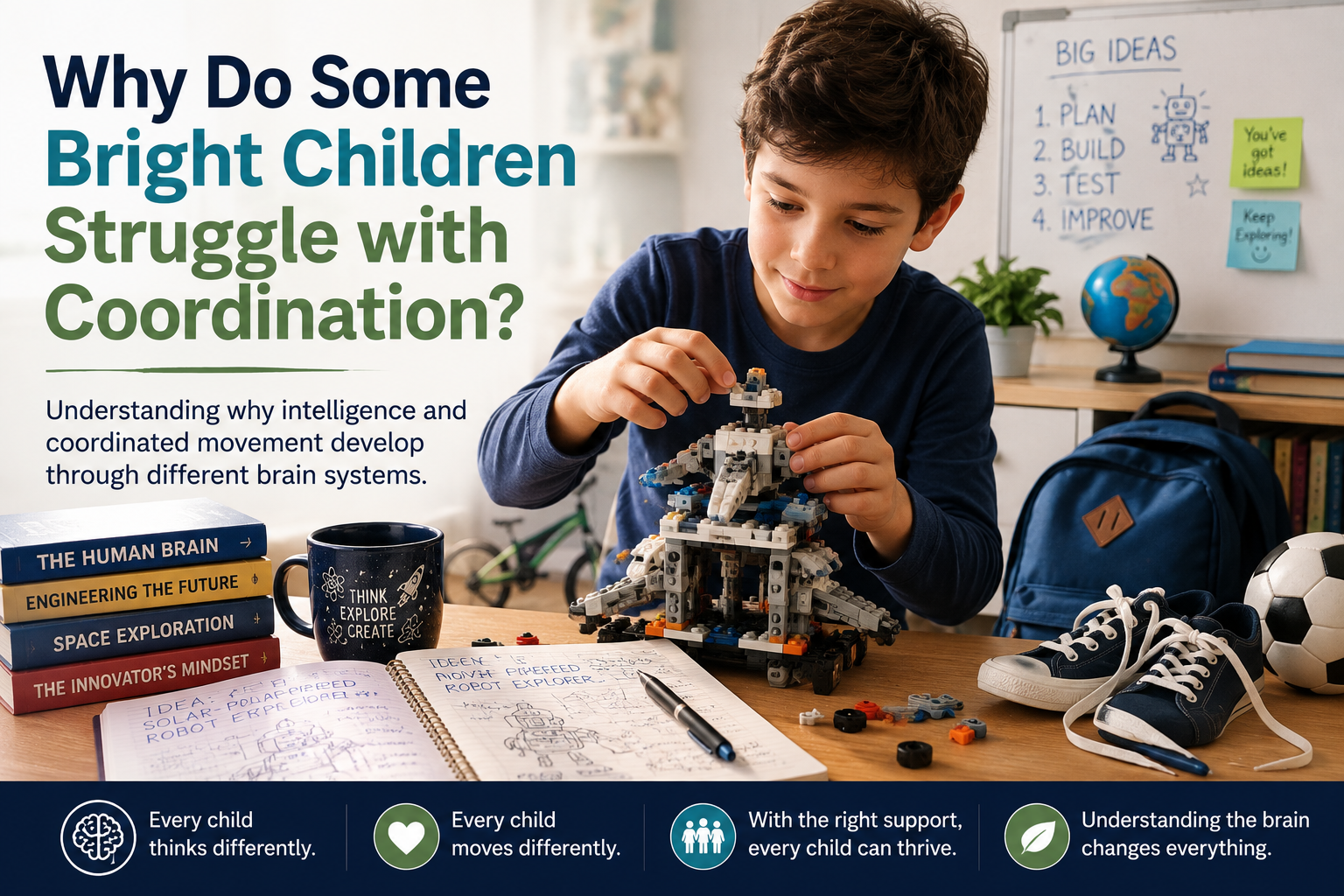
One of the most common things parents tell us is: “My child is so smart… but they struggle with things that seem easy for everyone

Every child trips. Every child drops things. Every child struggles to learn a new skill from time to time. So when does “normal childhood clumsiness”

Many parents first notice something doesn’t seem quite right during everyday activities. Perhaps their child struggles to tie their shoes while classmates learn quickly. Maybe
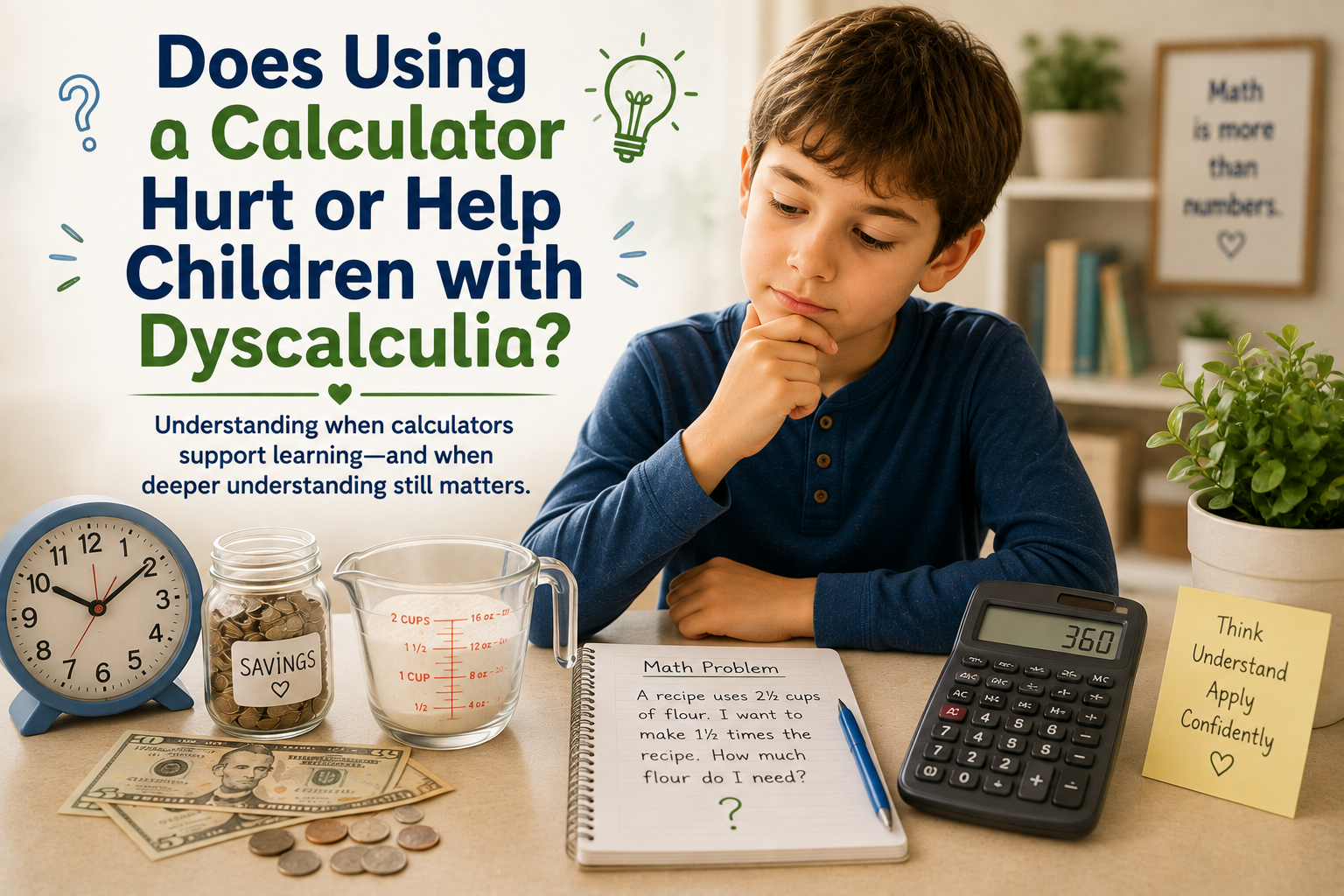
Parents often ask an important question after their child is diagnosed with dyscalculia: “Should my child use a calculator?” Some worry that a calculator will

For many children with dyscalculia, the hardest part of math isn’t the numbers. It’s how those experiences begin to shape the way they see themselves.

When most people think about dyscalculia, they think about math class. Addition. Subtraction. Multiplication. Fractions. But many parents notice something else long before a math
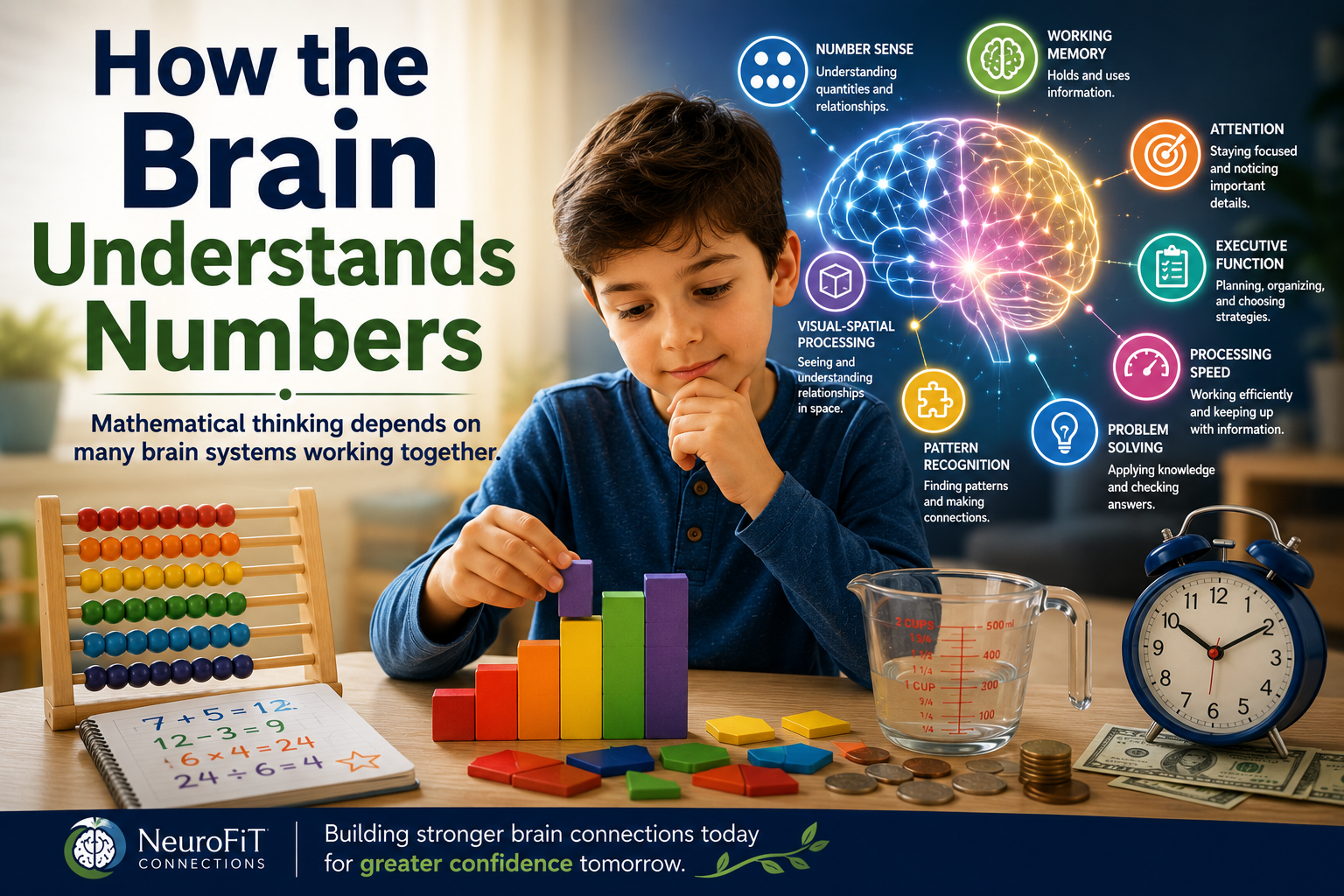
Understanding numbers may appear simple. A child sees the number five. They count five objects. They recognize that five is greater than three. They add
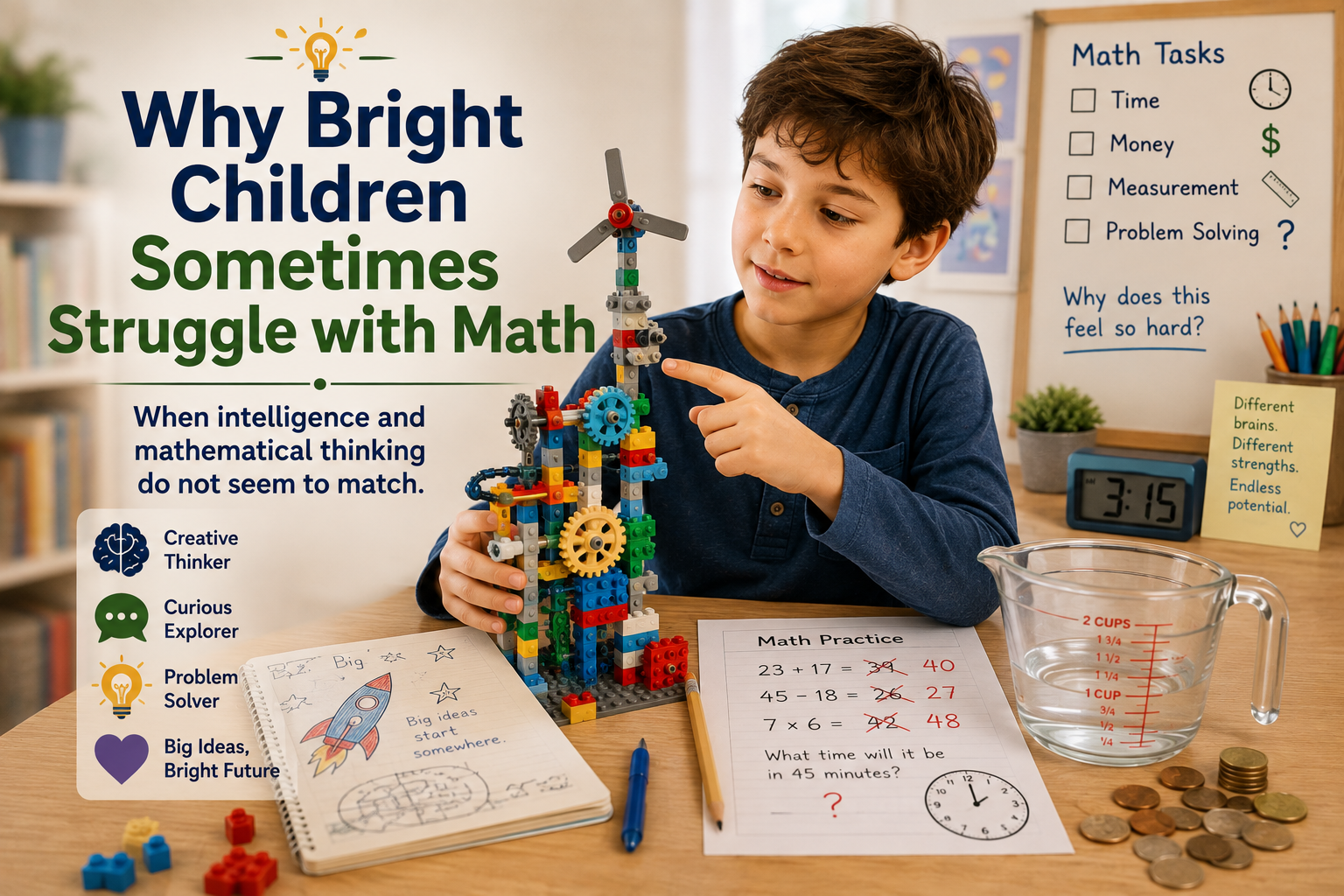
One of the most confusing experiences for parents is watching a bright, capable child struggle with mathematics. Your child may ask thoughtful questions, understand complex
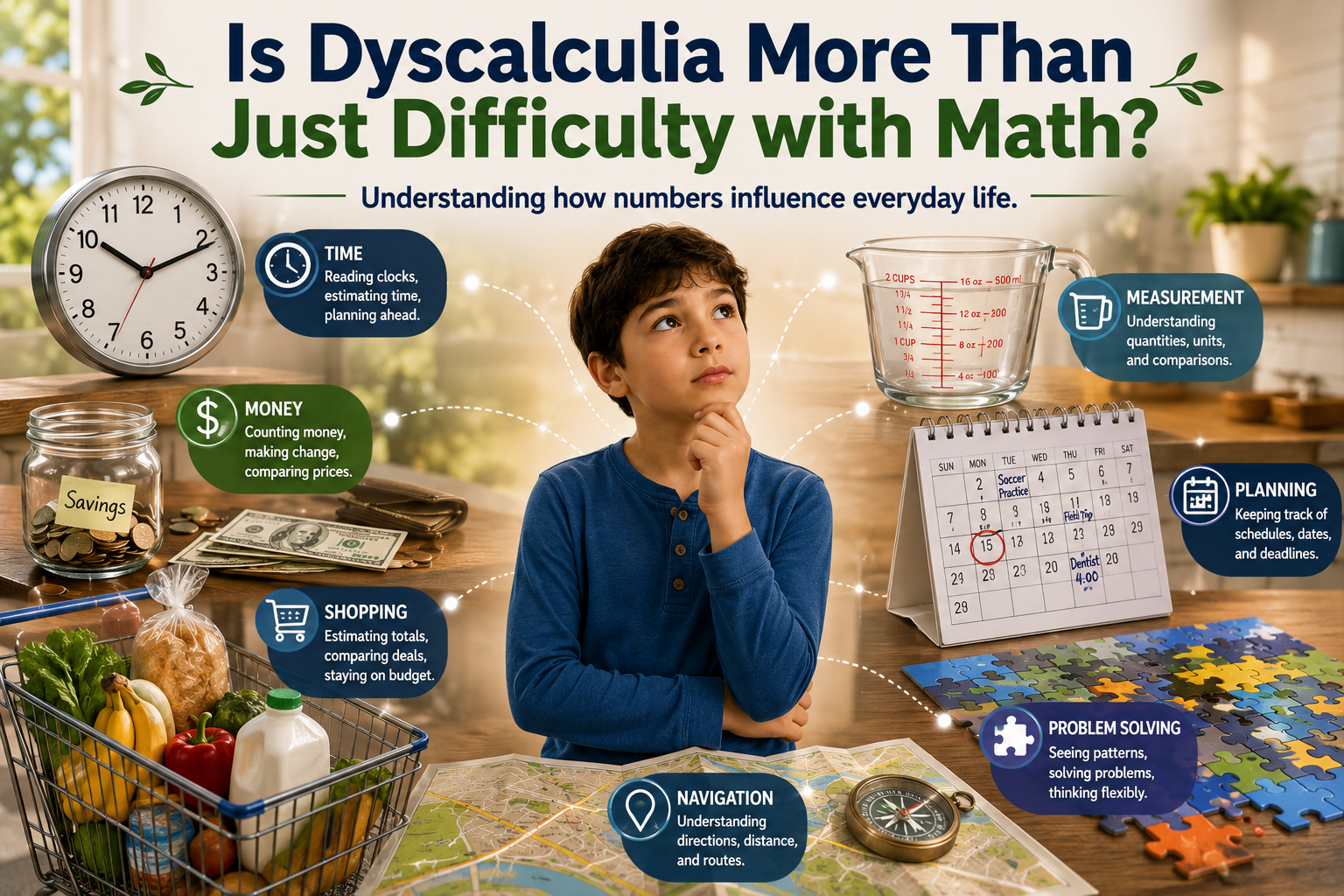
When parents first hear the word dyscalculia, they often assume it simply means a child struggles with math. While math difficulties are certainly part of