NeuroFiT Connections Child Wellness Program

Personalized Brain Training for Children with Anxiety

Helping Children Build the Brain Skills for Greater Confidence, Emotional Regulation, and Resilience

No medication. No invasive procedures. Just a personalized, neuroscience-informed approach designed to strengthen the underlying brain functions involved in emotional regulation, executive functioning, sensory processing, attention, communication, learning, and resilience.

Every child experiences worry, fear, and stress from time to time. But when anxiety begins interfering with school, friendships, sleep, family life, confidence, or the ability to enjoy everyday experiences, it’s important to look beyond the anxiety itself and understand why it’s happening.

At NeuroFiT Connections, we believe anxiety is often a symptom—not the root cause. That’s why every program begins with a comprehensive Brain & Body Assessment to better understand how your child’s brain is functioning. Using those results, we develop a personalized brain training program designed to strengthen the neurological systems that support emotional regulation, resilience, attention, learning, communication, and greater independence.

Rather than building a program around a diagnosis, we build it around your child. Whether your child has been diagnosed with Generalized Anxiety Disorder (GAD), Social Anxiety Disorder, Separation Anxiety Disorder, Panic Disorder, Selective Mutism, or simply struggles with excessive worry or fear without a formal diagnosis, our goal is to understand their unique brain and create a personalized roadmap for growth.

5.0 (100+ parent ratings)
Rated 5 out of 5

Does This Sound Like Your Child?

Anxiety looks different in every child. Some children worry constantly. Others avoid new situations, become overwhelmed by change, or complain of headaches and stomachaches before school. Some appear quiet and withdrawn, while others become irritable, emotional, or have frequent meltdowns when life feels unpredictable.

If any of these sound familiar, your child may be struggling with more than everyday worry.

❤️ Worry & Emotional Regulation

  • Worries excessively about everyday situations
  • Has difficulty calming down after becoming upset
  • Frequently asks for reassurance
  • Becomes overwhelmed by small changes or unexpected events
  • Appears fearful or anxious much of the time
  • Cries easily or becomes emotionally overwhelmed
  • Has intense fears that seem out of proportion to the situation

🧠 Thinking & Executive Function

  • Overthinks situations or imagines worst-case scenarios
  • Struggles to make decisions for fear of making the wrong choice
  • Has difficulty shifting attention away from worries
  • Becomes “stuck” on certain thoughts or fears
  • Perfectionism makes it difficult to complete tasks
  • Has trouble concentrating because of constant worry

🏫 School & Daily Life

  • Complains of headaches or stomachaches before school or activities
  • Avoids trying new things because of fear of failure
  • Becomes anxious about tests, homework, or making mistakes
  • Has difficulty sleeping or worries at bedtime
  • Avoids participating in class or group activities
  • Frequently wants to stay home rather than attend school or events

🤝 Relationships & Confidence

  • Appears shy or withdrawn around peers
  • Avoids social situations or making new friends
  • Becomes distressed when separated from parents or caregivers
  • Lacks confidence despite being capable
  • Worries excessively about disappointing others
  • Needs frequent encouragement before trying something new

Every child experiences anxiety differently. Some children become quiet and withdrawn, while others appear irritable, emotional, or avoid situations that make them uncomfortable. These challenges are not simply a reflection of personality or willpower—they may be signs that the brain systems responsible for emotional regulation, attention, sensory processing, and resilience need additional support.

If your child experiences several of these challenges on a regular basis, you’re not alone. Understanding why anxiety is happening is often the first step toward helping your child build greater confidence, emotional well-being, and lifelong success.

Looking Beyond the Anxiety

It’s natural to focus on the worry, fear, or emotional reactions we see on the surface. But anxiety is often a signal that the brain is working harder than it should to process and respond to the world.

Many children with anxiety also experience challenges with emotional regulation, sensory processing, executive functioning, attention, motor coordination, or communication. When these underlying brain systems aren’t working together as efficiently as they could, everyday situations can feel overwhelming—even when they seem manageable to others.

At NeuroFiT Connections, we don’t focus solely on reducing anxious behaviors. We work to understand how your child’s brain is functioning so we can strengthen the foundational skills that support confidence, resilience, emotional regulation, learning, and independence.

That’s why every child begins with our comprehensive Brain & Body Assessment. Rather than making assumptions based on symptoms or a diagnosis, we evaluate multiple aspects of brain and body function to identify your child’s unique strengths and areas of need. Those findings become the foundation for a personalized brain training program designed specifically for your child.

Understanding Childhood Anxiety: Looking Beyond the Worry

Childhood anxiety is more than occasional nervousness or fear. While it’s normal for children to feel anxious in certain situations, persistent anxiety can interfere with learning, friendships, sleep, family life, and everyday activities. It may also affect a child’s confidence, willingness to try new things, and ability to manage everyday challenges.

Anxiety is one of the most common mental health concerns affecting children today, yet every child experiences it differently. Understanding why anxiety is occurring is an important first step toward helping your child build greater confidence, resilience, and emotional well-being.

Traditional approaches often focus on managing the symptoms of anxiety. While that can be helpful, it doesn’t always explain why one child struggles while another in the same situation does not.

At NeuroFiT Connections, we believe anxiety is often a signal that the brain systems responsible for emotional regulation, sensory processing, executive functioning, attention, and resilience may not be working together as efficiently as they could. Our goal isn’t simply to reduce anxious behaviors—it’s to better understand how your child’s brain is functioning and strengthen the foundational skills that support emotional well-being and lifelong success.

Every child begins with a comprehensive Brain & Body Assessment that evaluates multiple aspects of brain and body function. Using those results, we develop a personalized brain training program tailored to your child’s unique strengths and challenges. Rather than building a program around a diagnosis, we build it around your child.

Schedule your assessment today.
The Anxiety Assessment Includes:

How Anxiety Can Affect Everyday Life

When anxiety becomes part of a child’s daily life, its effects often extend well beyond moments of worry or fear. It can influence how they learn, interact with others, approach new experiences, and feel about themselves. Over time, these challenges can affect not only the child, but the entire family.

❤️ Emotional Well-Being

Children with anxiety may experience frequent worry, fear, irritability, or emotional overwhelm. They may have difficulty calming themselves after becoming upset or feel constantly on edge, even in situations that appear safe to others.

🏫 School & Learning

Anxiety can make it difficult to concentrate, participate in class, complete assignments, or perform well on tests. Fear of making mistakes or trying something new may prevent children from reaching their full academic potential.

🤝 Friendships & Social Situations

Some children avoid social situations because they fear embarrassment, rejection, or being judged by others. This can make it harder to build friendships, participate in group activities, or develop confidence in social settings.

🌙 Sleep & Daily Routines

Many children with anxiety struggle to fall asleep, stay asleep, or relax at bedtime. They may also experience difficulty with transitions, changes in routine, or separating from parents and caregivers.

💪 Confidence & Independence

When children constantly doubt themselves or fear failure, they may avoid new experiences and become increasingly dependent on others for reassurance. Over time, anxiety can limit their confidence, independence, and willingness to explore the world around them.

👨‍👩‍👧 Family Life

Anxiety doesn’t affect only the child—it often impacts the entire family. Parents may find themselves providing constant reassurance, adjusting routines, avoiding certain situations, or feeling uncertain about how best to help. These challenges can be emotionally exhausting, but understanding the underlying factors contributing to your child’s anxiety is an important first step toward meaningful progress.

Anxiety can influence nearly every aspect of a child’s life—from learning and friendships to sleep, confidence, and family relationships. While every child experiences anxiety differently, persistent worry or fear may be a sign that the brain systems responsible for emotional regulation, attention, sensory processing, and resilience need additional support.

By looking beyond the symptoms and understanding how your child’s brain is functioning, it’s possible to create a personalized plan that strengthens the foundational skills needed for greater confidence, emotional well-being, and lifelong success.

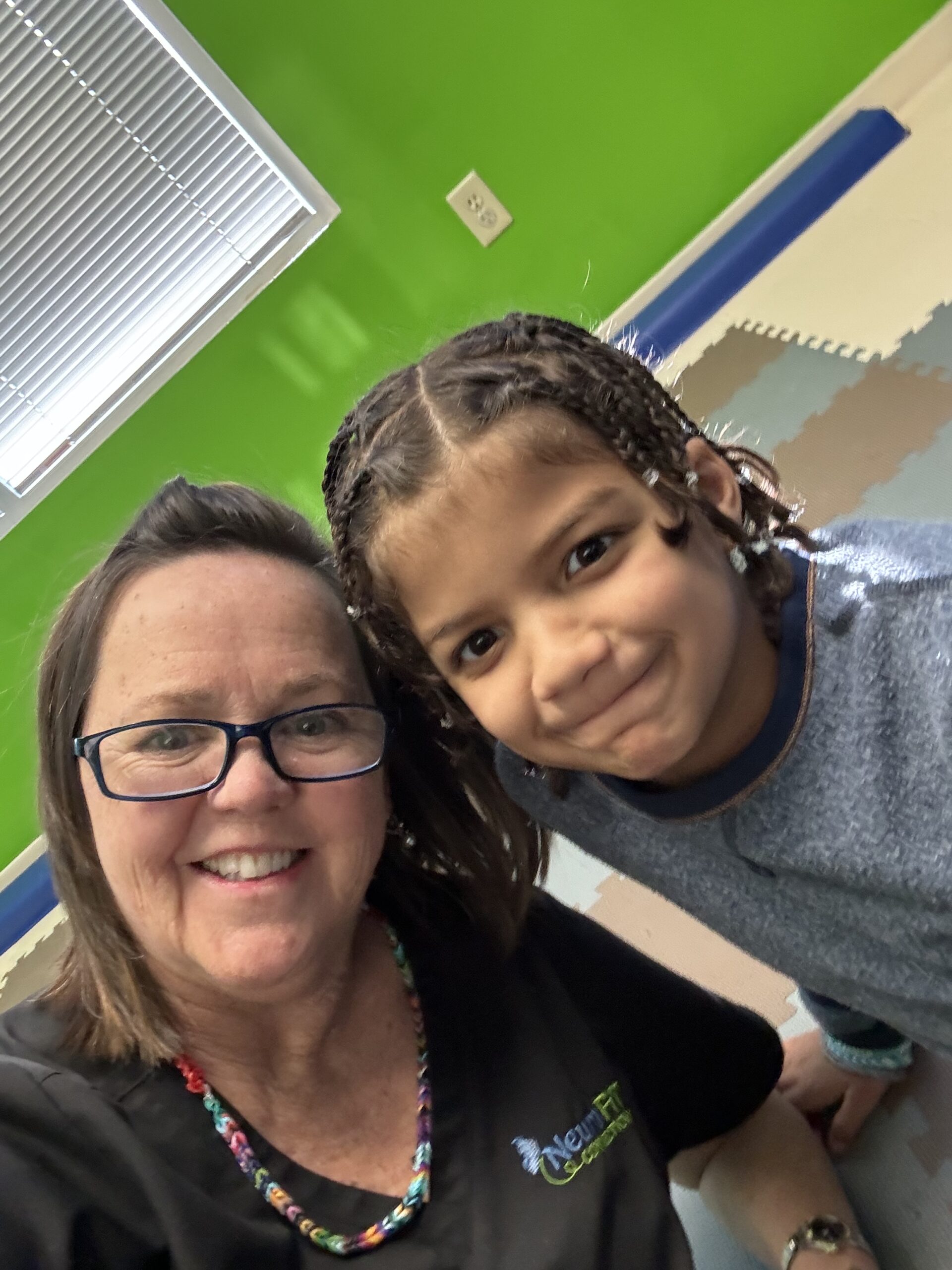
NeuroFiT kid at Office

Building the Brain Skills That Support Confidence, Emotional Regulation & Resilience

At NeuroFiT Connections, our goal isn’t simply to reduce anxiety—we work to strengthen the foundational brain skills that help children navigate challenges with greater confidence, resilience, and emotional well-being.

Every personalized brain training program is built around your child’s unique Brain & Body Assessment results. Rather than focusing solely on symptoms or a diagnosis, we identify the underlying brain functions that may benefit from additional support and create a program tailored specifically to your child’s needs.

❤️ Emotional Regulation

Helping children better manage emotions, recover from stressful situations, and respond more calmly to everyday challenges.

🧠 Executive Functioning

Supporting planning, organization, flexible thinking, self-control, problem-solving, and the ability to manage daily responsibilities with greater independence.

👂 Sensory Processing

Helping the brain more effectively process and respond to sensory information, reducing feelings of overwhelm and improving comfort in everyday environments.

🎯 Attention & Focus

Strengthening the ability to sustain attention, filter distractions, and shift focus appropriately, making it easier to participate in learning and daily activities.

💬 Communication & Social Skills

Building the skills that support effective communication, social confidence, understanding social cues, and positive interactions with others.

💪 Confidence & Resilience

Helping children develop greater confidence, adapt to new situations, cope with challenges, and approach everyday experiences with increased independence and emotional well-being.

Every child’s brain is unique, which is why every NeuroFiT program is personalized. By strengthening the brain skills that support emotional regulation, attention, executive functioning, sensory processing, communication, and resilience, we help children build the confidence and independence they need to thrive at home, at school, and throughout life.

What Many Families Notice

Every child’s journey is unique, and progress looks different for every family. While no two children respond exactly the same way, many parents tell us they begin noticing positive changes as their child’s personalized brain training program progresses.

Some families report improvements such as:

Because every child’s brain is unique, progress varies from one child to another. Our goal isn’t simply to reduce anxiety—it’s to strengthen the foundational brain skills that help children build confidence, emotional resilience, independence, and the ability to thrive in everyday life.

The Science Behind Personalized Brain Training

At NeuroFiT Connections, we recognize that no two children with anxiety are exactly alike. While two children may share similar symptoms, the underlying brain functions contributing to those challenges can be very different. That’s why every child begins with a comprehensive Brain & Body Assessment rather than a one-size-fits-all program.

Our assessment evaluates multiple aspects of brain and body function—including sensory processing, primitive reflexes, balance and coordination, visual and auditory processing, motor skills, cognitive abilities, attention, rhythm and timing, and executive functioning. These findings help us better understand how your child’s brain is functioning and identify opportunities to strengthen the foundational skills that support emotional regulation, confidence, resilience, learning, and everyday success.

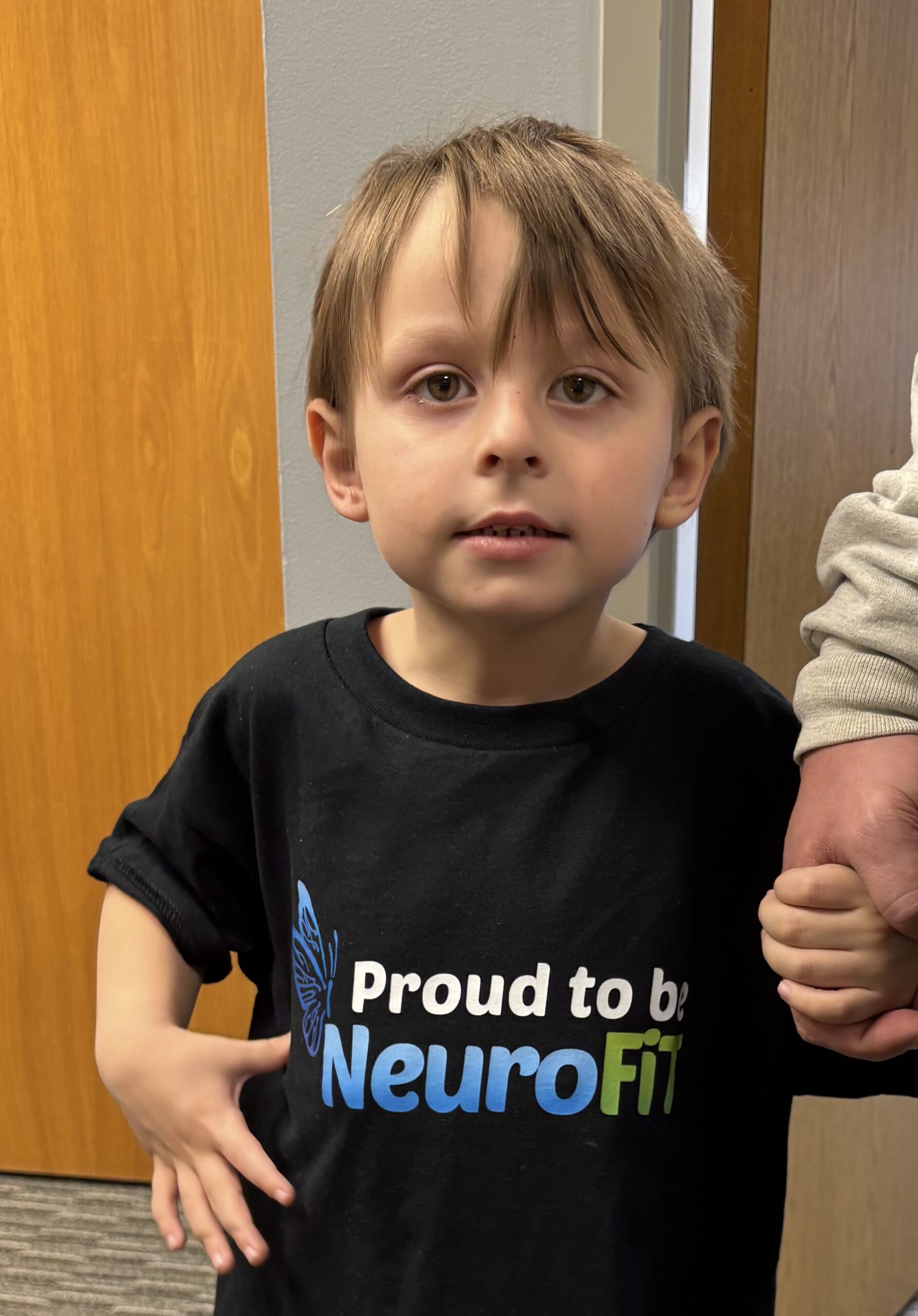
NeuroFiT kid at Office
10+ Years of Experience

Discover the unwavering commitments that make NeuroFiT Connections a leading Child Wellness Program, specifically designed to treat and resolve ADHD issue in children.

Using this information, we develop a personalized brain training program tailored to your child’s unique strengths and areas of need. Rather than focusing solely on reducing symptoms, our goal is to strengthen the underlying brain functions that help children become more confident, resilient, independent, and better equipped to navigate everyday challenges.

While every child’s journey is unique, this personalized approach allows us to focus on your child’s individual needs—not simply a diagnosis or a list of symptoms.

Personalized brain training begins with understanding your child’s unique neurological profile. By identifying the underlying brain functions that may benefit from additional support, we can create a customized plan designed to strengthen the skills that support emotional regulation, confidence, resilience, learning, and lifelong success.

Why Families Choose NeuroFiT Connections

Families come to NeuroFiT Connections because they’re looking for more than ways to manage anxiety—they’re looking to better understand their child and help them build the skills needed for long-term success.

Our personalized approach is built around one simple belief:

We don’t build programs around diagnoses—we build them around children.

Every child begins with a comprehensive Brain & Body Assessment that helps us understand how their brain is functioning, identify their unique strengths and challenges, and create a personalized brain training program tailored specifically to their needs.

Here’s what makes the NeuroFiT Connections approach different:

🧠 Personalized Brain & Body Assessment

Every program begins with a comprehensive evaluation of brain and body function, allowing us to develop a personalized roadmap based on your child’s unique neurological profile—not simply a diagnosis or a list of symptoms.

🎯 Personalized Brain Training

No two children receive the same program. Each plan is customized using your child’s assessment results and evolves as they make progress.

🤝 A Partnership with Families

Parents play an important role in every child’s success. We provide guidance, education, and practical strategies so you can confidently support your child’s progress both in our clinic and at home.

📈 Progress That Builds Over Time

Our goal isn’t simply short-term improvement. We focus on strengthening foundational brain skills that support emotional regulation, confidence, resilience, learning, independence, and lifelong development.

🌱 A Whole-Child Perspective

Rather than focusing on anxiety alone, we look at how multiple brain systems work together—including attention, sensory processing, executive functioning, motor coordination, communication, cognition, and emotional regulation—to better understand the whole child.

❤️ Personalized Care Every Step of the Way

Every child progresses at their own pace. As your child grows and develops, we continually adjust and refine their program to provide the support they need throughout their journey.

Choosing the right program for your child is an important decision. At NeuroFiT Connections, our goal is to provide more than a personalized brain training program—we strive to become a trusted partner in helping your child build greater confidence, emotional well-being, resilience, and the foundational brain skills needed to thrive at home, at school, and throughout life.

Why a Personalized Approach Matters

No two children experience anxiety in exactly the same way. One child may struggle with excessive worry and perfectionism, while another may avoid social situations, become overwhelmed by changes in routine, or experience physical symptoms such as headaches or stomachaches. Although their challenges may look similar on the surface, the underlying brain functions contributing to those struggles can be very different.

That’s why we believe every child deserves an individualized approach. Rather than assuming every child with anxiety needs the same program, we begin with a comprehensive Brain & Body Assessment to better understand how your child’s brain is functioning. Those findings allow us to create a personalized brain training program based on your child’s unique strengths, challenges, and goals.

As your child progresses, their program progresses with them. We continually monitor development and make adjustments along the way, ensuring each child receives the support they need as new skills are developed and new challenges are overcome.

Because we don’t build programs around diagnoses—we build them around children.

Every child experiences behavioral and emotional challenges differently. Two children may display similar behaviors—such as emotional outbursts, anxiety, impulsivity, compulsive behaviors, or defiance—yet those behaviors may be influenced by very different underlying brain functions.

That’s why NeuroFiT Connections doesn’t believe in one-size-fits-all programs. Rather than focusing solely on changing behaviors, we begin by understanding why those behaviors are occurring.

Every child starts with a comprehensive Brain & Body Assessment that helps us evaluate the neurological systems involved in emotional regulation, executive functioning, sensory processing, communication, attention, motor development, and other foundational brain functions. This allows us to create a personalized brain training program based on your child’s unique neurological profile—not simply a diagnosis or a list of behaviors.

Our goal isn’t to teach every child the same strategies. It’s to identify the brain skills that may need additional support so children can build greater self-regulation, emotional resilience, flexible thinking, confidence, and independence in ways that are meaningful for them and their families.

Whether your child has a formal diagnosis or simply struggles with behaviors that interfere with everyday life, we believe every child deserves an approach that recognizes their unique strengths, understands their individual challenges, and helps them reach their fullest potential.

Every child’s brain is unique, and their path toward greater confidence, emotional regulation, and resilience should be too. A personalized approach allows us to focus on your child’s individual needs, creating a roadmap designed to strengthen the foundational brain skills that support success at home, at school, and throughout life.

Why Parents Appreciate Our Personalized Approach

Parents often tell us that one of the most reassuring aspects of NeuroFiT Connections is knowing their child is seen as an individual—not defined by a diagnosis or a list of symptoms.

Our goal isn’t simply to help children manage anxiety. It’s to better understand how each child’s brain is functioning and create a personalized program that strengthens the foundational skills needed for greater confidence, emotional regulation, resilience, learning, and independence.

Families appreciate that every program begins with a comprehensive Brain & Body Assessment, is tailored to their child’s unique strengths and challenges, and evolves as their child grows and develops. Rather than following a one-size-fits-all approach, we continually monitor progress and adjust each program to meet your child’s changing needs.

For many parents, one of the greatest benefits is finally having a roadmap that explains not only what their child is experiencing, but also provides a personalized plan designed to help them move forward with confidence and hope.

Every child deserves to be understood as an individual. By combining a comprehensive Brain & Body Assessment with personalized brain training, we help families better understand their child’s unique neurological profile and provide a clear path toward greater confidence, emotional well-being, resilience, and lifelong success.

Every child deserves more than symptom management.
They deserve the opportunity to understand how their unique brain works and build the skills that support confidence, resilience, emotional well-being, and lifelong success.

Building a Stronger Foundation for Lifelong Success

Every parent wants to see their child grow into a confident, resilient, and independent adult. While anxiety can create challenges along the way, it doesn’t define who your child is or what they can achieve.

At NeuroFiT Connections, we believe that strengthening the foundational brain skills that support emotional regulation, attention, executive functioning, sensory processing, communication, and resilience can help children navigate life’s challenges with greater confidence and independence. Our goal isn’t simply to address today’s concerns—it’s to help equip your child with skills that can support learning, relationships, decision-making, and emotional well-being for years to come.

Because every child’s brain is unique, every journey looks different. Some children may experience changes quickly, while others make steady progress over time. What matters most is creating a personalized plan that meets your child where they are today and helps them continue building on each success along the way.

Whether your child struggles with excessive worry, social anxiety, separation anxiety, perfectionism, or anxiety that affects everyday life, our goal remains the same: to help them build a stronger foundation for lifelong confidence, resilience, emotional well-being, and success.

Every child deserves the opportunity to reach their full potential. By focusing on the foundational brain skills that support emotional regulation, confidence, resilience, learning, and independence, we help children build the tools they need not only for today—but for a lifetime of growth and success.

Every Child's Progress Looks Different

No two children begin their journey from the same place, and no two children progress in exactly the same way. Every child’s strengths, challenges, experiences, and goals are unique, which means their path forward will be unique as well.

Some children experience noticeable changes early in their program, while others make steady, gradual progress over time. Growth may occur in different areas and at different rates, depending on each child’s individual neurological profile and the goals identified through their Brain & Body Assessment.

At NeuroFiT Connections, we focus on meaningful, lasting progress rather than quick fixes. Throughout your child’s program, we continually monitor development, celebrate milestones, and adjust activities as needed to provide the right level of challenge and support at every stage of their journey.

Our goal isn’t to compare your child’s progress to anyone else’s. It’s to help your child become the best version of themselves by strengthening the foundational brain skills that support confidence, emotional regulation, learning, independence, and lifelong success.

Every child’s journey is unique, but every child deserves the opportunity to grow, learn, and thrive. By meeting your child where they are today and providing a personalized roadmap for progress, we help them continue building the skills they’ll use for years to come.

Taking the First Step Toward a Brighter Future

If your child struggles with anxiety, you’re not alone—and you don’t have to navigate the journey by yourself.

At NeuroFiT Connections, we understand how difficult it can be to watch your child worry, avoid new experiences, lose confidence, or become overwhelmed by everyday situations. We also believe that every child has unique strengths and the potential to grow when given the right support.

That’s why every family’s journey begins with our comprehensive Brain & Body Assessment. Rather than making assumptions based on symptoms or a diagnosis, we take the time to better understand how your child’s brain is functioning so we can create a personalized brain training program designed specifically for their unique needs.

Whether your child has recently begun experiencing anxiety or has been facing these challenges for years, taking the first step starts with understanding why. Together, we can create a personalized roadmap that helps your child build greater confidence, emotional regulation, resilience, and the foundational brain skills needed for lifelong success.

Every child deserves the opportunity to feel confident, capable, and understood. If you’re ready to learn more about your child’s unique brain and explore how personalized brain training may help, we’d be honored to partner with your family on that journey.

What You'll Learn During Your Child's Brain & Body Assessment

Every child has a unique combination of strengths, challenges, and developmental goals. That’s why every NeuroFiT Connections program begins with a comprehensive Brain & Body Assessment.

Rather than focusing solely on symptoms or a diagnosis, we evaluate multiple aspects of brain and body function to better understand why your child may be experiencing challenges with emotional regulation, attention, executive functioning, sensory processing, communication, learning, motor skills, or social interaction. This allows us to create a personalized brain training program based on your child’s unique neurological profile—not simply a diagnosis or a list of symptoms.

Because every child is different, there is no “typical” assessment result. Our goal is to understand how your child’s brain and body work together, identify their neurological strengths, recognize the areas that may benefit from additional support, and develop a personalized roadmap for meaningful growth.

During your child’s assessment, you’ll gain valuable insights into many of the foundational brain and body functions that support everyday success, including emotional regulation, executive functioning, cognition, primitive reflexes, sensory processing, balance, coordination, rhythm and timing, vision, hearing, communication, and other essential developmental skills.

During your child’s assessment, you’ll receive:

When you understand the brain behind the behavior, you can begin building the skills that lead to lasting change.

Program FAQs

Every child experiences anxiety differently. Some children worry excessively, avoid new situations, or become overwhelmed by changes in routine. Others may complain of headaches or stomachaches, struggle to sleep, seek constant reassurance, or become emotional in situations that feel stressful. When anxiety begins interfering with school, friendships, family life, or everyday activities, it may be time to explore the underlying factors contributing to those challenges.

Many children who worry frequently also experience challenges with emotional regulation, executive functioning, sensory processing, attention, or resilience. At NeuroFiT Connections, our goal isn't simply to reduce worry—we begin with a comprehensive Brain & Body Assessment to better understand how your child's brain is functioning and develop a personalized brain training program based on their unique strengths and challenges.

NeuroFiT Connections offers a non-invasive, medication-free approach to supporting children experiencing anxiety. Rather than focusing on medication, we work to strengthen the underlying brain functions involved in emotional regulation, resilience, attention, sensory processing, and executive functioning through personalized brain training. Our program is not a replacement for medical or mental health care, and we encourage families to continue working with their healthcare providers when appropriate.

Our approach focuses on strengthening the foundational brain skills that support emotional regulation, confidence, resilience, attention, executive functioning, and sensory processing. Every child begins with a comprehensive Brain & Body Assessment, allowing us to create a personalized program designed specifically for their unique neurological profile rather than using a one-size-fits-all approach.

During your child's Brain & Body Assessment, we evaluate multiple aspects of brain and body function, including primitive reflexes, sensory processing, balance, coordination, vision, hearing, cognition, executive functioning, rhythm and timing, and other foundational skills. After the assessment, we'll review the results with you, answer your questions, and create a personalized brain training program tailored to your child's unique needs.

Childhood anxiety can develop for many different reasons, including genetics, temperament, life experiences, stress, medical conditions, or environmental factors. Every child is different. Rather than assuming the cause based on symptoms alone, our Brain & Body Assessment helps us better understand how your child's brain is functioning so we can create a personalized roadmap for growth.

No. Many families come to NeuroFiT Connections because they recognize their child is struggling with excessive worry, emotional regulation, or confidence—even if they have never received a formal diagnosis. Our programs are personalized based on each child's Brain & Body Assessment, not solely on a diagnosis.

Yes. Anxiety frequently occurs alongside ADHD, autism spectrum disorder, learning disorders, sensory processing challenges, and other developmental differences. Because these conditions often overlap, our comprehensive Brain & Body Assessment looks at multiple aspects of brain and body function to better understand your child's unique neurological profile rather than focusing on a single diagnosis.

Every child's journey is unique. Some families notice meaningful changes relatively early, while others experience gradual progress over time. Factors such as your child's age, developmental history, consistency with the program, and individual neurological profile all influence progress. Our goal is to help each child build lasting brain skills rather than pursue quick fixes.

Children may share similar symptoms while having very different underlying neurological profiles. Beginning with a comprehensive Brain & Body Assessment allows us to understand your child's unique strengths and areas that may benefit from additional support. This information becomes the foundation for creating a personalized brain training program designed specifically for your child—not simply their symptoms or diagnosis.

Helpful Resources for Parents of Children with Anxiety

What Happens During a Brain & Body Assessment?
30Jul

What Happens During a Brain & Body Assessment?

Looking Beyond the Symptoms If you’re considering a Brain & Body Assessment, you’re probably searching for answers. Maybe your child struggles with reading, attention, behavior, emotional regulation, learning, or coordination. Perhaps you’ve already received one or more diagnoses. Or maybe…

How Color Impacts Your Child’s Brain—and Why It Matters for Behavior and Learning
15Feb

How Color Impacts Your Child’s Brain—and Why It Matters for Behavior and Learning

How Color Impacts Your Child’s Brain—and Why It Matters for Behavior and Learning As parents, we often search for answers when our child struggles with attention, emotional regulation, or learning challenges. What if part of the reason isn’t a lack…

Why Reading Struggles Aren’t Always a Reading Problem
08Feb

Why Reading Struggles Aren’t Always a Reading Problem

Why Reading Struggles Aren’t Always a Reading Problem If your child struggles with reading, it can feel personal. Not because you take it personally, but because reading is one of those milestones that carries weight. It’s tied to school success,…