NeuroFiT Connections Child Wellness Program

Personalized Brain Training for Children with Learning Disorders

No medication. No invasive procedures. Just a personalized, neuroscience-informed approach designed to strengthen the underlying brain functions that support reading, writing, mathematics, attention, executive functioning, memory, processing, and lifelong learning.

Every child begins with a comprehensive Brain & Body Assessment so we can understand why they’re struggling—not just what they’re struggling with. Using those results, we create a personalized brain training program tailored to your child’s unique strengths, challenges, and learning profile.

Rather than relying on a one-size-fits-all approach, our goal is to improve the efficiency of the brain systems involved in learning, language, processing, working memory, executive functioning, and coordination. As these foundational brain functions become stronger, many families report improvements in academic performance, confidence, organization, independence, and everyday learning.

Our program supports children with a variety of learning-related challenges, including dyslexia, dysgraphia, dyscalculia, dyspraxia, and other difficulties that affect learning and school performance.

5.0 (100+ parent ratings)
Rated 5 out of 5

Does This Sound Like Your Child?

Your child is bright, curious, and capable—but school feels much harder than it should.

You know they’re intelligent because you see it every day. They ask thoughtful questions, solve problems creatively, and amaze you with what they know. Yet when it’s time to read, write, complete homework, or take a test, they struggle to show what they’re capable of.

You may find yourself thinking or saying:

  • “I know you’re smart.”
  • “You knew the answer at home—what happened?”
  • “Why does homework take so long?”
  • “You understand it when I explain it, but can’t seem to do it on your own.”
  • “Your grades don’t reflect how intelligent you really are.”
  • “I wish school wasn’t such a daily struggle.”

Children with learning disorders often work much harder than their classmates just to keep up. Reading, writing, spelling, math, note-taking, following instructions, organizing assignments, or expressing what they know can require tremendous mental effort—even when they fully understand the material.

These challenges don’t mean your child is lazy, unmotivated, or not trying hard enough. In many cases, they reflect differences in how the brain processes, organizes, stores, and retrieves information.

At NeuroFiT Connections, we believe every child deserves the opportunity to learn in a way that works with their brain—not against it. Our comprehensive Brain & Body Assessment helps us identify the underlying brain functions that may be contributing to your child’s learning challenges so we can develop a personalized brain training program designed specifically for their unique needs.

Continue Learning at Home

Download Your FREE Empower & Enlighten™ Learning Disorders Parent Guide

If your child struggles with reading, writing, spelling, math, organization, or keeping up in school, it can be difficult to know where to turn—or which information to trust.

That’s why we’ve created the Empower & Enlighten™ Learning Disorders Parent Guide—a comprehensive resource designed to help parents better understand learning disorders and the brain functions that influence learning.

Written by Jackie Beck, Co-Founder and Lead Cognitive Coach at NeuroFiT Connections, this guide explains why learning disorders do not define a child’s intelligence or potential and how understanding your child’s unique brain can open the door to greater confidence, success, and independence.

Inside this comprehensive guide, you’ll discover:

✓ The differences between dyslexia, dysgraphia, dyscalculia, and other learning disorders

✓ Common signs and symptoms parents often overlook

✓ The brain-based factors that may contribute to learning challenges, including retained primitive reflexes and processing differences

✓ Current treatment options and support strategies available for children

✓ Practical ways parents and teachers can work together to support learning

✓ How NeuroFiT Connections’ personalized Brain & Body Assessment helps identify the underlying factors affecting your child’s learning

Complete the form below to receive your FREE copy and begin learning how to better understand and support your child’s unique learning journey.

Trusted by parents who want to better understand how their child learns.

Empower and Enlighten

Schedule your assessment today. Learning Disorder Assessments Include:

How Learning Disorders Affect Everyday Life

Learning disorders don’t just affect report cards. They can influence a child’s confidence, independence, friendships, and willingness to try new things. Every child is different but learning challenges often affect many areas of daily life both inside and outside the classroom.

📖 Reading & Language

Your child may:

  • Read slowly or avoid reading altogether
  • Lose their place while reading
  • Have difficulty sounding out unfamiliar words
  • Struggle to understand what they’ve read
  • Become frustrated during reading assignments
  • Love stories but dislike reading independently

📋 Executive Function

Learning disorders often affect the brain skills needed to:

  • Organize schoolwork
  • Remember assignments
  • Follow multi-step directions
  • Plan ahead
  • Manage time effectively
  • Complete tasks independently

✏️ Writing & Spelling

Your child may:

  • Have messy or difficult-to-read handwriting
  • Struggle to organize thoughts on paper
  • Frequently misspell familiar words
  • Avoid writing assignments
  • Become tired during written work
  • Know the answer but struggle to write it down

❤️ Confidence & Emotions

School struggles can affect much more than academics.

Children may:

  • Believe they’re “not smart”
  • Become frustrated easily
  • Avoid challenging tasks
  • Feel embarrassed reading aloud
  • Compare themselves to classmates
  • Lose confidence in their abilities

➗ Math & Problem Solving

Your child may:

  • Have difficulty remembering math facts
  • Confuse mathematical symbols
  • Struggle with word problems
  • Lose track of multiple steps
  • Take much longer to complete math assignments
  • Become anxious during math activities

🎒 Everyday Learning

Learning challenges don’t stop when the school day ends.

Your child may:

  • Need extra time to complete homework
  • Forget instructions
  • Become overwhelmed by projects
  • Have difficulty learning new routines
  • Need frequent reminders
  • Work much harder than others to achieve the same results

Understanding Learning Disorders: 

Looking Beyond the Symptoms

When a child struggles with reading, writing, math, or keeping up in school, it’s easy to assume they simply need more practice or more effort. In reality, many learning disorders are not caused by a lack of intelligence, motivation, or desire to learn.

Learning depends on many different brain systems working together efficiently. Reading requires the brain to recognize letters, process sounds, understand language, remember information, and coordinate eye movements. Writing involves language, fine motor skills, planning, organization, and working memory. Mathematics relies on reasoning, visual-spatial processing, memory, sequencing, and problem-solving.

When one or more of these underlying brain functions isn’t working as efficiently as it could, learning becomes much harder—even for children who are bright, curious, and eager to succeed.

That’s why two children with the same diagnosis can have very different challenges. One child with dyslexia may struggle primarily with reading fluency, while another may have greater difficulty with reading comprehension or working memory. A diagnosis helps describe the challenge, but it doesn’t explain why that child is struggling.

At NeuroFiT Connections, we look beyond the diagnosis to better understand your child’s unique brain. Through our comprehensive Brain & Body Assessment, we evaluate multiple neurological systems that support learning so we can identify your child’s strengths, uncover areas that may need additional support, and develop a personalized brain training program designed specifically for them.

Understanding why your child is struggling is the first step toward helping them build the skills, confidence, and independence they need to succeed.

How Can NeuroFiT Connections Help?

Every child learns differently, which is why every NeuroFiT Connections program begins with understanding how your child’s unique brain works.

Rather than focusing solely on a diagnosis or academic performance, we use our comprehensive Brain & Body Assessment to identify the underlying neurological systems that may be contributing to your child’s learning challenges. This allows us to move beyond simply recognizing that your child is struggling and begin understanding why they’re struggling.

Learning depends on many interconnected brain functions working together efficiently. Difficulties with reading, writing, mathematics, language, attention, memory, processing, executive functioning, sensory processing, motor coordination, or retained primitive reflexes can all influence how easily a child learns and performs in school.

Using the results of your child’s assessment, we develop a personalized brain training program designed specifically for their unique strengths and challenges. Rather than using a one-size-fits-all approach, every activity is selected to strengthen the brain functions that will have the greatest impact on your child’s ability to learn, grow, and succeed.

Our goal is not simply to help children perform better in school. Our goal is to build stronger brain function so learning becomes more efficient, confidence grows, and children develop the skills they need for lifelong success.

Every child deserves the opportunity to discover that they are capable of learning, growing, and succeeding.

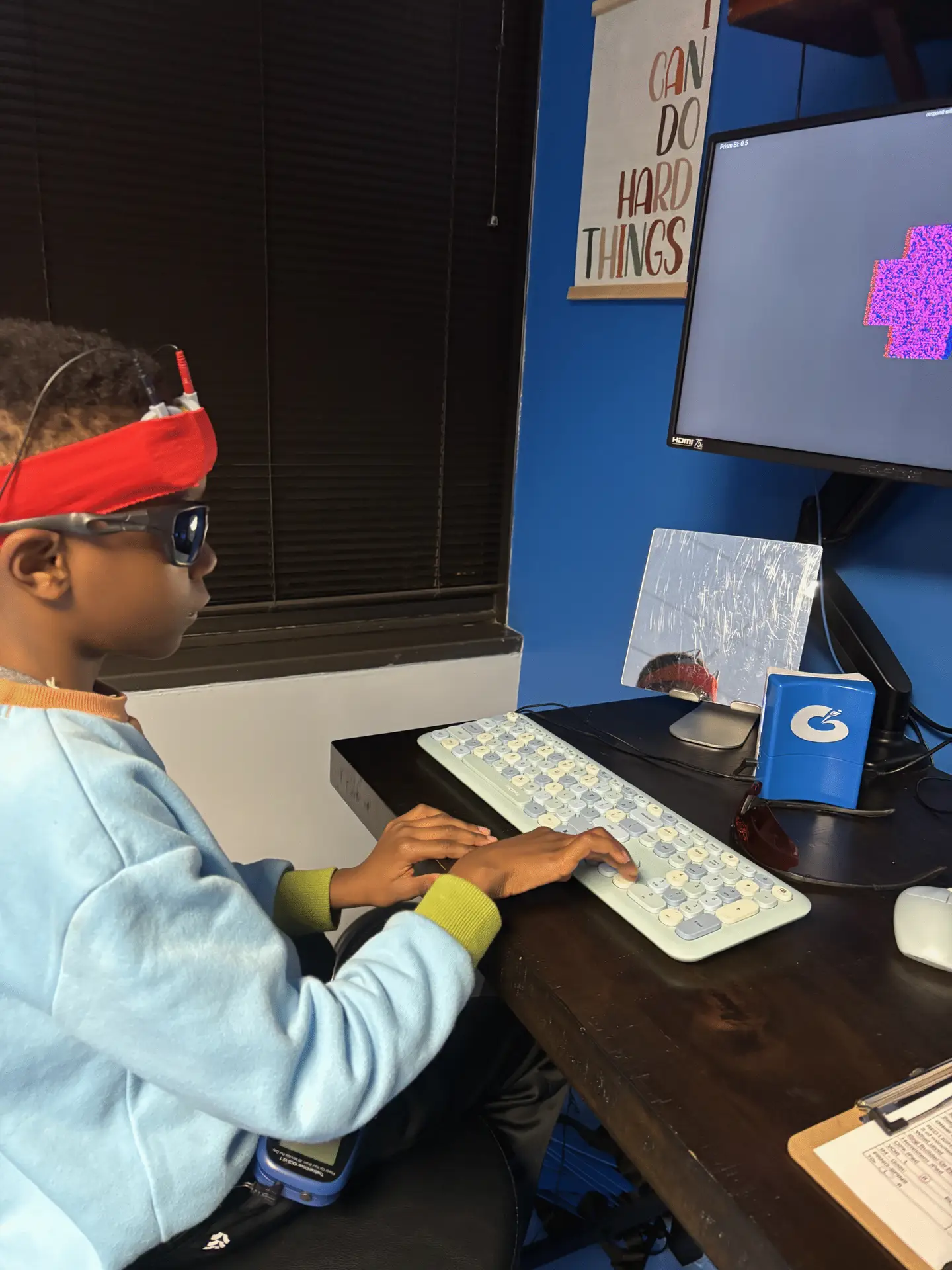
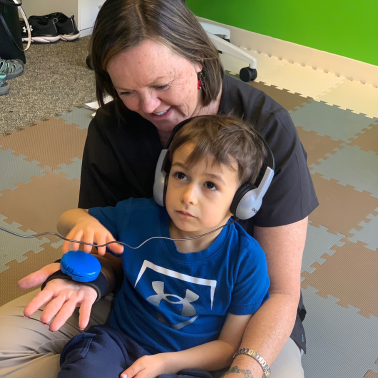
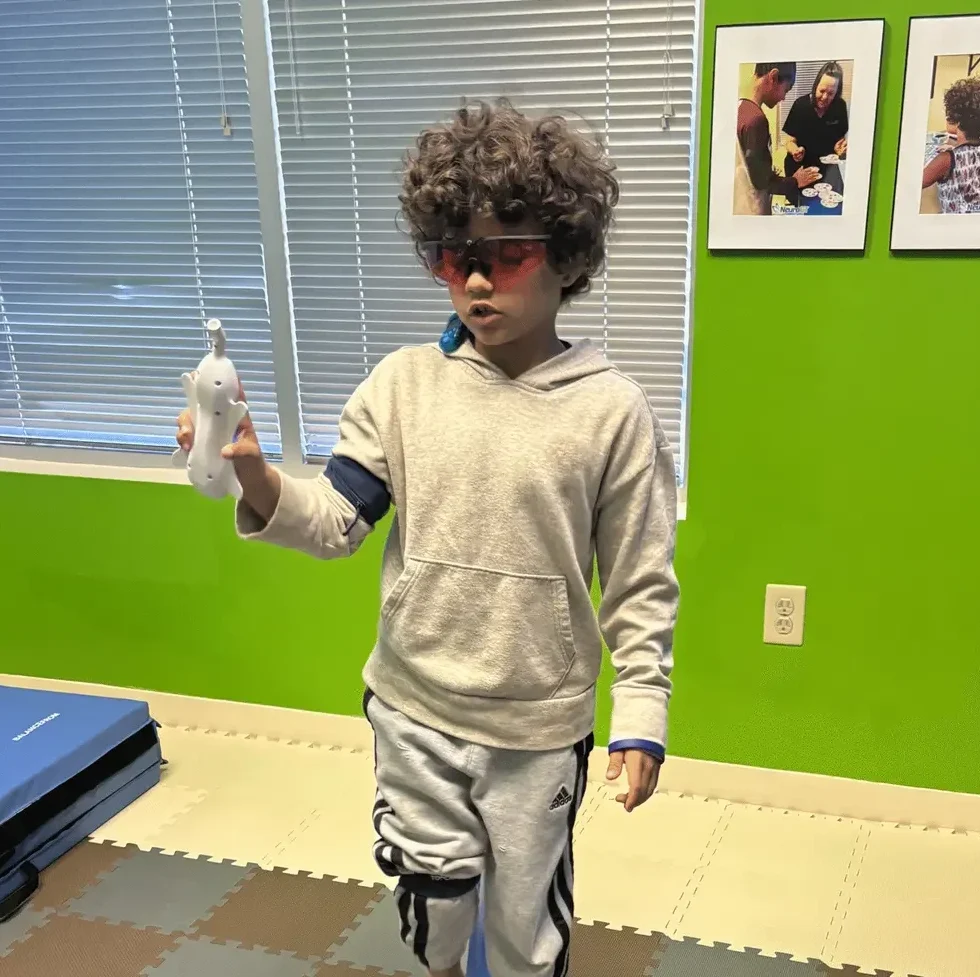
NeuroFiT kid at Office using modalities

Building the Brain Skills That Support Learning

Every child learns differently. While learning disorders may affect reading, writing, math, or other academic skills, these challenges are often influenced by a combination of underlying brain functions working together. Our goal is to strengthen those foundational skills so learning becomes more efficient, more confident, and less frustrating.

Following your child’s comprehensive Brain & Body Assessment, we develop a personalized brain training program designed to strengthen the neurological systems that support learning, attention, memory, processing, and executive functioning.

As these brain functions become more efficient, many families report improvements in areas such as:

📚 Reading & Language

  • Children may experience improvements in:

    • Reading fluency and comprehension
    • Phonological awareness
    • Vocabulary and language processing
    • Following written and verbal directions
    • Understanding and retaining informatio

✏️ Writing & Communication

  • Children may develop stronger:

    • Written expression
    • Spelling skills
    • Handwriting and fine motor control
    • Organization of thoughts
    • Ability to communicate ideas clearly

➗ Math & Reasoning

  • Many children build greater confidence with:

    • Number sense
    • Mathematical reasoning
    • Problem-solving
    • Sequencing
    • Multi-step calculations

📋 Executive Function

  • Our program may help strengthen skills related to:

    • Planning and organization
    • Working memory
    • Time management
    • Task completion
    • Flexible thinking
    • Independent learning

❤️ Confidence & Emotions

  • As learning becomes easier, many children also develop:

    • Greater confidence
    • Increased motivation
    • Improved frustration tolerance
    • Better emotional regulation
    • A more positive attitude toward school

🎓 Everyday Learning

  • Many families notice improvements beyond the classroom, including:

    • Completing homework more independently
    • Following routines more consistently
    • Staying organized
    • Increased independence
    • Greater willingness to try new challenges
    • More confidence in everyday learning situations

Every child is unique, which is why every NeuroFiT Connections program is personalized. Rather than focusing solely on a diagnosis, we identify the specific brain functions that may be contributing to your child’s learning challenges and create a customized plan designed to help them reach their full potential.

What Many Families Notice:

Every child is different, and progress varies based on factors such as age, individual strengths and challenges, and consistency with the recommended program. Your child’s Brain & Body Assessment helps us identify the specific neurological systems that may benefit most from personalized brain training.

The Science Behind Better Learning

Learning is one of the brain’s most complex functions. Reading, writing, spelling, mathematics, language, memory, attention, and executive functioning all depend on multiple brain systems communicating efficiently with one another. When those systems aren’t working together as effectively as they could, learning can become significantly more difficult—even for children who are intelligent, curious, and motivated to succeed.

At NeuroFiT Connections, our programs are built on well-established principles of neuroscience, including neuroplasticity—the brain’s remarkable ability to adapt, strengthen, and form new neural connections throughout life. Through targeted, meaningful, and repetitive activities, the brain can build stronger communication pathways that support learning, memory, processing, and academic performance.

10+ Years of Experience

Discover the unwavering commitments that make NeuroFiT Connections a leading Child Wellness Program, specifically designed to treat and resolve learning disorders in children.

Rather than focusing only on a diagnosis such as dyslexia, dysgraphia, dyscalculia, or dyspraxia, we begin by understanding how your child’s brain is functioning. Every child receives a comprehensive Brain & Body Assessment that evaluates the neurological systems involved in learning so we can identify both strengths and areas that may benefit from additional support.

Our assessment may evaluate areas such as:

  • Reading and language processing
  • Cognitive performance
  • Working memory
  • Processing speed
  • Executive functioning
  • Visual and auditory processing
  • Sensory processing
  • Primitive reflexes
  • Balance and motor coordination
  • Rhythm and timing
  • Other neurological systems that influence learning and development

Using these results, we develop a personalized brain training program designed specifically for your child’s neurological profile. As foundational brain systems become more efficient, many families report improvements that extend well beyond academics, including confidence, organization, independence, communication, and everyday problem-solving.

Why a Personalized Approach Matters

No two children with learning disorders have exactly the same strengths or challenges.

One child may struggle primarily with reading fluency, while another has difficulty with written expression, working memory, executive functioning, or processing speed. Although they may share the same diagnosis, the underlying neurological factors affecting their learning can be very different.

That’s why NeuroFiT Connections doesn’t use a one-size-fits-all program. Instead, we use the results of your child’s Brain & Body Assessment to create a personalized plan designed to strengthen the specific brain functions that support more effective learning.

By understanding why your child is struggling—not just what they’re struggling with—we can create an individualized program designed to help them build the skills needed for lifelong learning and success.

NeuroFiT Connections cognitive training involves multiple modalities; sensory, physical, and cognitive

Helping Children Learn with Confidence

Every child deserves the opportunity to experience success in the classroom and confidence in their ability to learn. Unfortunately, children with learning disorders often spend so much time struggling that they begin to question their own intelligence, abilities, and potential.

At NeuroFiT Connections, our goal extends beyond improving reading, writing, math, or academic performance. We work to strengthen the underlying brain functions that support learning so children can approach new challenges with greater confidence, independence, and resilience.

As learning becomes more efficient, many families report improvements in areas such as:

📖 Academic Skills

  • Reading fluency and comprehension
  • Written expression
  • Spelling and handwriting
  • Mathematical reasoning
  • Following classroom instruction

🧠 Learning Skills

  • Working memory
  • Processing speed
  • Executive functioning
  • Organization
  • Problem-solving
  • Independent learning

❤️ Independence

Many parents also notice their child becoming:

  • More confident in school
  • More willing to attempt challenging tasks
  • Less frustrated during homework
  • More independent with daily responsibilities
  • Better able to advocate for themselves
  • More engaged in learning

Every child progresses at their own pace. Because every NeuroFiT Connections program is personalized, your child’s Brain & Body Assessment helps us identify the neurological systems that may benefit most from targeted brain training, allowing us to build a program tailored specifically to their needs.

Building a Stronger Foundation for Lifelong Success

Every child deserves the opportunity to discover their strengths, build confidence, and experience the joy of learning. While learning disorders can create challenges in the classroom, they do not define a child’s intelligence, potential, or future.

At NeuroFiT Connections, we believe lasting change begins by strengthening the brain functions that support learning—not simply helping children cope with academic struggles. As reading, writing, processing, executive functioning, memory, and other foundational skills become more efficient, children often develop something just as valuable as improved academic performance: confidence in themselves.

Our goal is to help children become more than successful students. We want them to become confident learners, independent problem-solvers, and resilient individuals who are prepared to meet the challenges of school, work, and everyday life.

Every NeuroFiT Connections program is personalized to meet your child’s unique needs. As your child grows and develops, their program evolves with them, helping strengthen the brain skills that support lifelong learning, confidence, independence, and success.

Investing in Your Child's Future

The benefits of stronger brain function often extend far beyond report cards and test scores. As children develop more efficient learning skills, many families report improvements in confidence, motivation, organization, communication, emotional regulation, and independence.

Rather than focusing solely on today’s academic challenges, we help children build a stronger neurological foundation that supports success throughout every stage of life.

Our goal isn’t simply to help children perform better in school—it’s to help them develop the skills, confidence, and resilience they need to reach their full potential.

What You'll Learn During Your Child's Brain & Body Assessment

Every child with a learning disorder has a unique combination of strengths and challenges. That’s why every NeuroFiT Connections program begins with a comprehensive Brain & Body Assessment.

Rather than relying on a diagnosis alone, we evaluate multiple aspects of brain function to better understand why your child may be struggling. This allows us to create a personalized brain training program based on your child’s unique neurological profile—not simply their diagnosis.

During your child’s assessment, you’ll gain valuable insights into the brain functions that influence learning, attention, processing, memory, executive functioning, sensory integration, and more.

During your assessment, you’ll receive:
Program FAQs

At NeuroFiT Connections, our Learning Disorders Program is designed to strengthen the brain functions that support learning, attention, memory, processing, and academic success. Rather than focusing only on improving grades or teaching specific academic content, we work to improve the neurological foundations that help children learn more efficiently.

Every child begins with a comprehensive Brain & Body Assessment that evaluates cognitive performance, executive functioning, visual and auditory processing, processing speed, working memory, motor coordination, balance, primitive reflexes, and other key aspects of brain function. Based on the results, we develop a personalized brain training program tailored to your child's unique strengths and challenges.

By improving the efficiency of these underlying brain systems, many families report that learning becomes less frustrating and children are better able to focus, process information, retain new material, and participate more confidently in the classroom.

Learning difficulties can appear in many different ways and are not always related to intelligence. Many children with learning challenges are bright, curious, and highly capable but struggle because one or more brain systems are not processing information as efficiently as they could.

Common signs of learning difficulties include:

  • Difficulty learning to read, write, or spell
  • Trouble understanding or remembering new information
  • Slow reading or poor reading comprehension
  • Difficulty following multi-step directions
  • Problems with organization and completing assignments
  • Poor working memory
  • Slow processing speed
  • Difficulty with math concepts or calculations
  • Frustration with schoolwork
  • Avoiding homework or academic tasks
  • Falling behind despite putting forth effort

If your child consistently struggles in one or more of these areas, a comprehensive evaluation can help identify the underlying factors contributing to those challenges.

Learning disorders are considered neurodevelopmental conditions, meaning they are related to how the brain develops and processes information. While genetics often play an important role, learning challenges can also be influenced by differences in the way the brain processes language, visual information, auditory information, executive functioning, memory, attention, and sensory input.

Research conducted by Dr. Robert Melillo and his colleagues also suggests that retained primitive reflexes and functional imbalances between the brain's hemispheres may contribute to learning difficulties in some children. When foundational brain systems are not communicating efficiently, skills such as reading, writing, spelling, mathematics, attention, organization, and problem-solving can become more challenging.

At NeuroFiT Connections, we recognize that no two children with learning disorders are exactly alike. That's why every child begins with a comprehensive Brain & Body Assessment. We evaluate many aspects of brain function—including cognition, executive functioning, sensory processing, primitive reflexes, vision, hearing, balance, coordination, rhythm and timing, and hemispheric function—to better understand your child's unique neurological profile and develop a personalized brain training program designed specifically for them.

Yes. Many of the children who come to NeuroFiT Connections are working hard but continue to struggle academically. Difficulties with attention, executive functioning, processing speed, working memory, visual processing, auditory processing, or motor coordination can all affect a child's ability to succeed in the classroom.

Our Brain & Body Assessment helps identify which neurological systems may be contributing to your child's learning challenges. Using these results, we develop a personalized brain training program designed to strengthen those foundational skills.

As brain function becomes more efficient, many families report improvements in classroom participation, homework completion, organization, confidence, and overall academic performance. Every program is individualized to meet each child's unique needs and learning profile.

Brain training is based on neuroplasticity—the brain's ability to strengthen and adapt through targeted, repeated practice.

At NeuroFiT Connections, we use a personalized combination of cognitive exercises, visual and auditory processing activities, rhythm and timing training, coordination exercises, balance work, and other neuroscience-informed interventions designed to engage multiple brain systems simultaneously.

Rather than focusing only on academic subjects, our program targets the underlying brain functions that support learning. Depending on your child's assessment results, this may include improving attention, processing speed, working memory, executive functioning, sensory integration, or other foundational skills that influence classroom success.

By strengthening these neurological systems, our goal is to help children learn more efficiently and approach school with greater confidence.

  1. Reading and writing depend on many brain systems working together efficiently. Difficulties with visual processing, auditory processing, working memory, processing speed, attention, executive functioning, and motor planning can all affect a child's ability to develop strong literacy skills.

At NeuroFiT Connections, we evaluate these underlying functions during the Brain & Body Assessment to better understand what may be contributing to your child's challenges. Based on the results, we develop a personalized brain training program designed to strengthen the neurological systems that support learning.

While our program is not a reading curriculum or tutoring service, many families choose it as a complementary approach because improving the brain functions that support reading and writing may help children become more successful learners both in and out of the classroom.

Yes. Many families come to NeuroFiT Connections because their child has been diagnosed with dyslexia, dysgraphia, dyscalculia, or another learning disorder. Others seek an evaluation because they recognize ongoing struggles with reading, writing, spelling, or math but have not yet received a formal diagnosis.

These learning challenges often involve multiple brain systems working together, including attention, working memory, processing speed, visual and auditory processing, executive functioning, and motor planning. Our Brain & Body Assessment helps identify which of these underlying functions may be affecting your child's learning.

Rather than teaching academic subjects directly, we develop a personalized brain training program designed to strengthen the neurological foundations that support learning. Many families choose NeuroFiT Connections alongside specialized reading instruction, tutoring, or educational therapy as part of a comprehensive approach to helping their child succeed.

Yes. Tutoring is designed to teach academic content and reinforce classroom skills, and it can be extremely valuable for many children. However, if a child continues to struggle despite receiving quality tutoring, there may be underlying neurological factors affecting how they process and retain information.

At NeuroFiT Connections, we focus on the brain functions that support learning rather than teaching school subjects directly. Attention, executive functioning, processing speed, working memory, visual and auditory processing, and sensory integration all influence how efficiently a child learns.

Our comprehensive Brain & Body Assessment helps identify whether one or more of these systems may be contributing to your child's academic challenges. If so, we develop a personalized brain training program designed to strengthen those foundational skills, helping children get more out of classroom instruction, tutoring, and everyday learning experiences.

Tutoring and educational therapy are designed to help children improve specific academic skills by teaching subjects such as reading, writing, math, study strategies, or organizational techniques. These services can be highly beneficial for helping children master classroom content and develop effective learning habits.

At NeuroFiT Connections, we take a different—but complementary—approach. Rather than teaching academic subjects directly, we focus on strengthening the underlying brain functions that make learning possible. Attention, executive functioning, working memory, processing speed, visual and auditory processing, motor coordination, and emotional regulation all play important roles in a child's ability to learn and succeed in school.

Every child begins with a comprehensive Brain & Body Assessment to identify the neurological systems that may be contributing to their learning challenges. Based on the results, we create a personalized brain training program designed to improve the efficiency of those foundational brain functions.

Many families choose NeuroFiT Connections alongside tutoring or educational therapy because the two approaches address different aspects of learning. While tutoring helps children learn what to study, our program focuses on improving how the brain processes, retains, and applies information. Together, these approaches can provide a more comprehensive foundation for academic success and lifelong learning.

Absolutely. Many children with learning disorders are highly intelligent, creative, and curious, yet continue to struggle academically because certain brain systems are not processing information as efficiently as they could.

A child may have exceptional reasoning abilities while finding reading, writing, math, organization, or processing speed unusually difficult. These differences can lead to frustration, reduced confidence, and a gap between potential and classroom performance.

At NeuroFiT Connections, we look beyond grades and diagnoses to understand how your child's brain is functioning. Through our comprehensive Brain & Body Assessment, we identify areas that may benefit from additional support and create a personalized brain training program designed to strengthen those foundational skills. Our goal is to help children better access their abilities so they can reach their full academic and personal potential.

Academic success depends on much more than intelligence or effort. Children learn best when the brain systems responsible for attention, memory, processing, executive functioning, visual and auditory processing, and self-regulation work together efficiently.

At NeuroFiT Connections, our goal is to strengthen these foundational brain functions through a personalized brain training program based on the results of each child's Brain & Body Assessment. Rather than teaching school subjects directly, we focus on improving the skills that make learning more effective across all academic areas.

As these underlying brain functions become more efficient, many families report improvements in concentration, information processing, organization, task completion, confidence, and classroom performance. Every child's progress is unique, but our objective is to help them develop the neurological foundation needed for long-term academic success.

Children come to NeuroFiT Connections with a wide range of learning, attention, behavioral, and developmental challenges. While every child is different, many families seek our program because their child is struggling in school despite putting forth effort, has difficulty keeping up with classmates, or has not made the progress they hoped for with traditional interventions alone.

Our program may be appropriate for children experiencing challenges with reading, writing, math, attention, executive functioning, processing speed, working memory, sensory processing, motor coordination, or emotional regulation. Some children have a formal diagnosis such as dyslexia, ADHD, or autism, while others simply struggle academically without a clear explanation.

The best way to determine whether NeuroFiT Connections is a good fit is through our comprehensive Brain & Body Assessment. This assessment helps us understand your child's unique neurological profile and whether a personalized brain training program is likely to address the underlying factors contributing to their learning challenges.

No two children learn exactly alike, which is why no two NeuroFiT Connections programs are exactly the same.

Every child begins with a comprehensive Brain & Body Assessment that evaluates multiple aspects of neurological function, including attention, executive functioning, cognitive performance, visual and auditory processing, processing speed, working memory, motor coordination, balance, primitive reflexes, and other systems that influence learning and development.

Using these results, we create a personalized brain training program tailored to your child's specific strengths, challenges, and goals. Throughout the program, activities are adjusted as your child progresses to provide the right level of challenge while supporting continued growth.

Our individualized approach allows us to focus on the areas that matter most for each child rather than using a standardized program based solely on a diagnosis.

After your child's assessment is complete, you'll meet with one of our specialists to review the findings in detail. We'll explain how the different areas of brain function work together, discuss the strengths and challenges identified during the assessment, and answer your questions.

If we believe your child is a good candidate for our program, we'll recommend a personalized brain training plan based on their unique neurological profile. We'll explain the goals of the program, what activities may be included, the recommended schedule, and what you can expect throughout the process.

Our goal is to ensure you have a clear understanding of your child's assessment results and the reasoning behind every recommendation so you can make an informed decision about the next steps.

Many brain training programs offer standardized exercises that are the same for every participant. At NeuroFiT Connections, we believe effective brain training begins with understanding the individual child.

That's why every program starts with a comprehensive Brain & Body Assessment that evaluates multiple aspects of neurological function rather than relying on a diagnosis alone. We use those findings to create a personalized program that may include cognitive training, visual and auditory processing activities, rhythm and timing exercises, balance and coordination work, primitive reflex integration, and other neuroscience-informed interventions selected specifically for your child's needs.

Our approach focuses on improving the underlying brain functions that support learning, attention, executive functioning, emotional regulation, and academic success. As your child progresses, their program is continually adjusted to provide the appropriate level of challenge and support. This individualized, assessment-driven approach is one of the defining features of NeuroFiT Connections.

No. NeuroFiT Connections does not require a diagnosis to participate in the program. While a diagnosis is helpful during the assessment process, it’s just a guide and is, many times, wrong especially when it comes to ADD/ADHD. 

NeuroFiT Connections is a developmental disability center. It is a place where those with social, emotional, behavioral, and academic issues caused by developmental disabilities can come to get to the root of the issue, resolve those issues, and move forward with life.

While we can and have worked with adults, our program is geared for children from 18 months to 18 years of age. That’s because most adults have developed coping mechanisms to help them get through each day, while children haven’t. By going through our program, we can change the trajectory of a child’s life.

The NeuroFiT Connections program starts with an assessment because no two people struggling with a developmental issue are the same. Whether someone has been diagnosed or not, we assess ten different categories to determine exactly what’s going on and what their customized program will look like.

The cost is based on the number of sessions the student (what we call a “patient”) requires as well as your situation in life. We do offer discounts for single parents, first responders, veterans, and the like. The average is as low as $167 to $335 a month for 72 months. While we don’t accept insurance, we do offer a variety of discounts and payment options, many interest free.

No. Since the NeuroFiT Connections program is a non-medical program and does not provide a diagnosis, it is not covered by health insurance. Nor is a diagnosis required for someone to benefit from our services. Our in-depth assessment will uncover everything required to create a customized program to get to the root cause of the developmental issue and resolve it.

Our staff are trained and are Board Certified Cognitive Coaches through outside accrediting agencies.

We are also working to allow you to bill Medicare and Medicaid for services, but are not certain what day we will be able to accept the insurance.

When enrolled in The NeuroFit Connections program, your child will meet with his/her cognitive coach three times a week to complete a series of cognitive, sensory, and physical activities. These activities are geared towards engaging and activating many different regions of the brain. In addition, your child will receive at home assignments to hone their new skills inside and outside of cognitive sessions. Families are encouraged to participate in at-home activities together.


We can’t and won’t guarantee that a student (what we call a “patient”) will become Neurotypical after completing their program. This is because the student does not think like most of their peers and will always retain most of the benefits of their particular disorder. We do know that there will be positive change as the result of their participation in the NeuroFiT Connections program.

While we don’t guarantee results, we start with a set of goals that we work to meet. These goals come from the parent, the student, and the Cognitive Coach.
Being so close to the issue, you may not notice the changes in the student. Never fear. Your Cognitive Coach will point them out as they happen.

Helpful Resources for Parents of Children with Learning Disorders

Why Does My Child Need Everything Repeated?
10Jul

Why Does My Child Need Everything Repeated?

Why Does My Child Need Everything Repeated? “I just told you that.”  “Why do I have to repeat everything?” “I know you heard me!” If you’ve found yourself saying these phrases over and over, you’re not alone. Many parents become…

Language and the Hemispheres of the Brain
08Apr

Language and the Hemispheres of the Brain

Language and the Hemispheres of the Brain Understanding Speech Development Through the Lens of Brain Function When a child struggles with speech or language, caregivers often find themselves asking the same questions: Why is this happening?Is my child just a…

How Color Impacts Your Child’s Brain—and Why It Matters for Behavior and Learning
15Feb

How Color Impacts Your Child’s Brain—and Why It Matters for Behavior and Learning

How Color Impacts Your Child’s Brain—and Why It Matters for Behavior and Learning As parents, we often search for answers when our child struggles with attention, emotional regulation, or learning challenges. What if part of the reason isn’t a lack…