NEUROFIT CONNECTIONS CHILD WELLNESS PROGRAM

Personalized Brain Training for Children with Processing Disorders

No medication. No invasive procedures. Just a personalized, neuroscience-informed approach designed to strengthen the underlying brain functions that support learning, attention, communication, and everyday success.

Every child begins with a comprehensive Brain & Body Assessment so we can identify the neurological systems that may be contributing to their challenges. From there, we develop an individualized brain training program designed to improve processing, attention, executive functioning, and other foundational skills that help children thrive at home, at school, and in everyday life.

5.0 (100+ parent ratings)
Rated 5 out of 5

Does this sound like your child?

Your child may hear perfectly but still ask you to repeat directions. They may have 20/20 vision but struggle to copy from the board or finish schoolwork. Perhaps they understand concepts at home but seem lost in the classroom, or they take much longer than their classmates to answer simple questions.

You may have heard comments like:

  • “I have to repeat everything.”
  • “They’re so smart—I don’t understand why they’re struggling.”
  • “They know the answer but take forever to respond.”
  • “They do well one-on-one but fall behind in the classroom.”
  • “They have trouble following multi-step directions.”
  • “Homework takes much longer than it should.”

These challenges don’t always mean a child isn’t paying attention or isn’t trying. Sometimes the brain simply needs more time or support to receive, organize, interpret, and respond to information efficiently.

At NeuroFiT Connections, our comprehensive Brain & Body Assessment helps identify the underlying brain functions that may be contributing to these challenges, allowing us to create a personalized brain training program tailored to your child’s unique needs.

What is a Processing Disorder?

A processing disorder is a deficiency in a child’s ability to effectively use the information gathered by their senses. If the brain processing of auditory, visual, and sensory information is impaired, a child’s ability to learn and thrive in an academic setting is affected, often leading to low self-esteem and socialization difficulties.

A processing disorder is not always the result of impaired hearing, impaired vision, attention disorders, intellectual disability or learning deficit. A processing disorder can also be a neurological disconnection creating the symptoms of the disorder.

Types of Processing Disorders

Auditory Processing Disorder (APD)
Auditory Processing Disorder impacts a child’s comprehension and recall of what they hear and auditory processing in the brain.

Sensory Processing Disorder (SPD)
Sensory Processing Disorder, or SPD, can result in over-responsiveness to sensory input, like extreme sensitivity to loud noise or itchy clothing, or under-responsiveness, which might present as a lack of awareness of personal space or a desire for thrill seeking. 

Visual Processing Disorder (VPD)
Visual processing disorders impact the child’s ability to distinguish between shapes, have difficulty copying notes from the board or have difficulty remembering the correct sequence for letters or numbers in a series.

Schedule your assessment today.
Processing Assessments Include:

Signs Your Child May Have a Processing Disorder

Every child learns at their own pace, but some children consistently struggle to process information efficiently even though they are bright, curious, and trying their best. These challenges aren’t always caused by a lack of effort or intelligence. Instead, the brain may need more time or support to receive, organize, interpret, and respond to information.

If several of the following sound familiar, your child may benefit from a comprehensive Brain & Body Assessment.

Listening & Understanding

Your child may:

  • Need directions repeated several times.
  • Have difficulty following multi-step instructions.
  • Frequently say “What?” even though their hearing is normal.
  • Struggle to understand spoken instructions in noisy environments.
  • Forget verbal directions shortly after hearing them.
  • Seem to hear you but not fully understand what was said.

Learning & School

Your child may:

  • Take much longer than classmates to answer questions.
  • Need extra time to complete homework or classroom assignments.
  • Understand concepts at home but struggle to apply them at school.
  • Have difficulty keeping up with classroom discussions.
  • Appear to know the answer but struggle to respond quickly.
  • Become frustrated because learning feels harder than it should.
  • Perform inconsistently from one assignment or test to the next.

Reading & Visual Processing

Your child may:

  • Lose their place while reading.
  • Read slowly or have difficulty understanding what they read.
  • Struggle to copy information from the board or a book.
  • Miss important details on worksheets or assignments.
  • Have difficulty recognizing patterns, shapes, or spatial relationships.
  • Experience challenges with handwriting, spacing, or organizing written work.

Sensory Processing & Everyday Life

Your child may:

  • Become overwhelmed by loud noises, bright lights, busy environments, or certain textures.
  • Avoid or seek out certain sensory experiences.
  • Become mentally fatigued more quickly than other children.
  • Seem distracted when they’re actually working hard to keep up.
  • Have difficulty transitioning between activities or adapting to changes in routine.
  • Become easily frustrated, anxious, or overwhelmed during everyday tasks.

What Do These Symptoms Mean?

These challenges may be associated with auditory processing, visual processing, sensory processing, processing speed, working memory, executive functioning, or a combination of neurological systems. Because many of these symptoms overlap with ADHD, learning disorders, autism, anxiety, and other developmental differences, identifying the underlying cause is essential.

At NeuroFiT Connections, our comprehensive Brain & Body Assessment evaluates multiple aspects of brain function to help us understand why your child is struggling—not just what they’re struggling with. Using those results, we develop a personalized brain training program designed to strengthen the brain functions that support learning, communication, attention, emotional regulation, and everyday success.

How NeuroFiT Connections Helps

Research has shown that the cause of processing disorders is an imbalance in the activity of the hemispheres of the brain.  This is caused by retained primitive reflexes.

The NeuroFiT Connections program integrates the retained primitive reflexes, stimulates the weaker hemisphere and resolves any other issues through specific activities and specialized equipment.  The consistent completion of the program has been proven to lead to improvements in behavior, emotions, organization, self-motivation, and problem solving, and overall quality of life.  Contact Us for more information.

The benefits of scheduling an assessment:

Whether your child has been diagnosed or not, it doesn’t hurt to get a second opinion.  During the assessment, we will cover as many of the items listed below as possible depending on the severity and age of your child.

The results of the evaluation will be detailed in a plain-English report that will give you a very clear picture of the root cause of your child’s ASD, what that means, what symptoms the program will resolve, what you can expect, and our recommendations for treatment.  Then we will sit down with you and explain everything we found, giving you all the time you need to ask questions and get real answers.

NeuroFiT Connections cognitive training involves multiple modalities; sensory, physical, and cognitive

Children in our personalized programs may demonstrate improvements in areas such as:

Every child is unique, and progress varies based on their individual strengths, challenges, age, and consistency with the recommended program. Your child’s Brain & Body Assessment helps us identify the specific areas most likely to benefit from personalized brain training.

Building the Brain Skills That Support Learning and Everyday Success

Children with processing disorders often work much harder than their peers to complete everyday tasks. Following directions, understanding classroom lessons, reading, writing, completing homework, participating in conversations, and managing daily routines can require tremendous effort—even for children who are bright, motivated, and eager to succeed.

At NeuroFiT Connections, our goal is to strengthen the underlying brain functions that support these everyday skills. Through a personalized Brain & Body Assessment and individualized brain training program, we help improve the efficiency of the neurological systems involved in processing, attention, executive functioning, sensory integration, memory, and learning.

As these foundational brain functions become more efficient, many families report improvements in areas such as:

Learning & Academic Performance

  • Following classroom instruction more easily
  • Completing homework with greater confidence
  • Faster processing and response times
  • Improved reading, writing, and comprehension skills
  • Better organization and study habits
  • Increased classroom participation

Attention & Executive Function

  • Staying focused for longer periods
  • Following multi-step directions more consistently
  • Improved working memory
  • Better planning, organization, and task completion
  • Greater flexibility when transitioning between activities

Communication & Processing

  • Understanding spoken language more easily
  • Responding more quickly during conversations
  • Improved listening and comprehension
  • Increased confidence expressing thoughts and ideas
  • Better ability to process information in busy environments

Confidence & Everyday Life

  • Reduced frustration during learning and daily activities
  • Greater emotional regulation
  • Increased independence with age-appropriate tasks
  • Improved confidence at home, at school, and in social settings
  • More enjoyment in learning and everyday experiences

Every child is unique, which is why every NeuroFiT Connections program is personalized. Rather than using a one-size-fits-all approach, we identify your child’s individual strengths and areas of need, then create a customized program designed to help them build the foundational brain skills that support long-term success.

The Science Behind Better Brain Function

Every skill your child uses—from paying attention and following directions to reading, writing, communicating, and regulating emotions—depends on billions of brain cells working together through complex neural networks.

When those networks communicate efficiently, learning becomes easier. When communication between different parts of the brain is less efficient, everyday tasks that seem simple for other children can become frustrating and exhausting.

At NeuroFiT Connections, our programs are built on well-established principles of neuroscience, including neuroplasticity—the brain’s remarkable ability to adapt, strengthen, and form new neural connections through repeated, meaningful experiences.

Rather than focusing on a diagnosis alone, we begin with a comprehensive Brain & Body Assessment to evaluate multiple systems that influence how your child learns and functions, including:

  • Attention and executive functioning
  • Cognitive performance
  • Visual and auditory processing
  • Processing speed
  • Working memory
  • Sensory processing
  • Motor coordination and balance
  • Primitive reflexes
  • Rhythm and timing
  • Other neurological systems that support learning and development

Using these results, we create a personalized brain training program designed to engage the specific brain systems that may benefit from additional support. As these systems become more efficient, many children find that learning, communication, organization, emotional regulation, and everyday activities require less effort and become more natural over time.

Unlike one-size-fits-all programs, every NeuroFiT Connections plan is individualized to reflect your child’s unique neurological profile, strengths, and developmental goals.

ellie playing at neurofit office
10+ Years of Experience

Discover the unwavering commitments that make NeuroFiT Connections a leading Child Wellness Program, specifically designed to treat and resolve processing disorders in children.

Why Families Choose a Brain-Based Approach

Parents often seek NeuroFiT Connections because they want to understand why their child is struggling—not simply how to manage the symptoms.

Our personalized, neuroscience-informed approach is designed to strengthen the foundational brain functions that support success across many areas of life, including:

  • Learning and academic performance
  • Attention and concentration
  • Executive functioning
  • Processing speed
  • Reading and language development
  • Communication skills
  • Emotional regulation
  • Motor coordination
  • Independence and everyday functioning

By focusing on the brain systems that support these skills, our goal is to help children build a stronger foundation for lifelong learning and development.

Building a Stronger Foundation for Lifelong Learning

Every new skill your child develops builds on the skills that came before it. Attention supports learning. Processing supports comprehension. Executive functioning supports organization and problem-solving. When these foundational brain functions become stronger, children are often better equipped to succeed not only in school, but throughout life.

Rather than focusing on short-term improvements alone, NeuroFiT Connections is designed to strengthen the underlying brain systems that support learning, communication, emotional regulation, attention, and everyday functioning. Through personalized, neuroscience-informed brain training, we help children build skills that can continue to support their development as academic expectations, social relationships, and daily responsibilities become more complex.

Our goal isn’t simply to help children perform better on today’s homework assignment or tomorrow’s test. We want to help them develop the confidence, independence, and foundational brain skills they need to continue learning, adapting, and growing throughout childhood and beyond.

Because every child’s neurological profile is unique, every program is personalized based on the results of our comprehensive Brain & Body Assessment. As your child progresses, their program evolves with them, providing new challenges that encourage continued growth and development.

Investing in Your Child's Future

When children develop stronger attention, processing, executive functioning, and self-regulation skills, the benefits often extend far beyond the classroom. Many families report improvements in confidence, independence, communication, emotional regulation, and everyday problem-solving—skills that can support success throughout school and into adulthood.

Program FAQs

A processing disorder occurs when the brain has difficulty receiving, organizing, interpreting, or responding to information efficiently. Children with processing disorders can often see and hear normally and may be highly intelligent, yet still struggle to understand, remember, or act on information as quickly or accurately as expected.

Processing challenges may affect how a child understands spoken language, interprets visual information, remembers instructions, processes sensory input, or responds to classroom demands. These difficulties can impact learning, communication, attention, academic performance, and everyday activities.

At NeuroFiT Connections, we look beyond the diagnosis to understand how your child's brain is functioning. Through our comprehensive Brain & Body Assessment, we identify the specific neurological systems that may be contributing to processing challenges and develop a personalized brain training program designed to strengthen those underlying skills.

Yes. In fact, many children with processing disorders have perfectly normal hearing and vision. The challenge is often not with the ears or eyes themselves—it is with how the brain receives, organizes, interprets, and responds to the information they provide.

For example, a child with an auditory processing challenge may hear spoken words clearly during a hearing test but struggle to understand directions in a noisy classroom or remember verbal instructions. Similarly, a child with a visual processing challenge may have 20/20 eyesight yet find it difficult to recognize patterns, copy from the board, judge spatial relationships, or process written information efficiently.

At NeuroFiT Connections, our comprehensive Brain & Body Assessment evaluates how the brain processes information across multiple neurological systems, including visual and auditory processing, attention, executive functioning, processing speed, working memory, and sensory integration. By identifying the underlying areas that may be affecting your child's ability to process information, we can develop a personalized brain training program designed to strengthen those foundational skills and support success at school, at home, and in everyday life.

Processing disorders are often related to differences in how the brain receives, organizes, interprets, and responds to information. Rather than being caused by a lack of intelligence or motivation, these challenges are typically associated with how the brain's neurological systems develop and communicate with one another.

Many factors may contribute to processing difficulties, including genetics, neurodevelopmental differences, sensory processing challenges, executive functioning difficulties, hemispheric imbalances, and differences in the efficiency of the brain's communication networks. Research conducted by Dr. Robert Melillo and his colleagues also suggests that retained primitive reflexes and functional disconnection between brain regions may contribute to processing difficulties in some children.

At NeuroFiT Connections, we recognize that every child's brain develops differently. That's why every child begins with a comprehensive Brain & Body Assessment. We evaluate many aspects of brain function—including auditory processing, visual processing, sensory integration, executive functioning, cognition, primitive reflexes, vision, hearing, balance, coordination, rhythm and timing, and hemispheric function—to better understand your child's unique neurological profile. Using these insights, we develop a personalized brain training program designed to strengthen the brain functions that support faster, more efficient processing and improved performance at home, at school, and in everyday life.

Children with processing disorders often appear bright and capable but may struggle to keep up because their brains need more time or support to process information.

Common signs include:

  • Frequently asking for instructions to be repeated
  • Taking longer to answer questions
  • Difficulty following multi-step directions
  • Trouble remembering verbal information
  • Slow reading or slow completion of schoolwork
  • Difficulty understanding spoken language
  • Confusion in noisy environments
  • Challenges with organization
  • Poor working memory
  • Difficulty transferring knowledge from one situation to another
  • Becoming easily overwhelmed during classroom activities

Because many of these signs overlap with ADHD, learning disorders, or autism, a comprehensive assessment can help identify the underlying factors contributing to your child's challenges.

Yes. Many parents describe their child as understanding concepts eventually but needing extra time to process information. Slow processing speed can affect classroom participation, homework, reading, problem-solving, and confidence.

At NeuroFiT Connections, we evaluate processing speed as part of our comprehensive Brain & Body Assessment. If processing speed is identified as an area of weakness, we develop a personalized brain training program designed to strengthen the neurological systems involved in efficiently receiving, organizing, and responding to information.

As brain function becomes more efficient, many families report improvements in classroom participation, confidence, task completion, and overall learning.

Yes. Auditory processing involves how the brain interprets and makes sense of the sounds we hear. Children with auditory processing challenges often hear normally but have difficulty understanding spoken language, especially in noisy environments or when given complex instructions.

At NeuroFiT Connections, auditory processing is evaluated as one component of our Brain & Body Assessment. If challenges are identified, they are incorporated into your child's personalized training program, which may include auditory processing activities along with cognitive, visual, coordination, and rhythm-based exercises designed to support healthier brain function.

While our program is not speech therapy, many families choose it as a complementary approach to help strengthen the brain systems involved in listening, understanding, and learning.

Yes. Many children with visual processing challenges have healthy eyesight but struggle with how the brain interprets and uses visual information. These difficulties can affect reading, writing, spelling, copying from the board, recognizing patterns, understanding spatial relationships, and completing schoolwork efficiently.

At NeuroFiT Connections, visual processing is evaluated as part of our comprehensive Brain & Body Assessment. We assess how your child's brain processes visual information alongside other important functions such as attention, executive functioning, processing speed, working memory, motor coordination, and sensory integration. This helps us identify the underlying neurological factors that may be contributing to your child's learning challenges.

If visual processing weaknesses are identified, we develop a personalized brain training program designed to strengthen the brain systems involved in visual perception, eye movements, visual attention, and visual-motor integration. Depending on your child's needs, the program may include visual processing exercises, eye movement activities, cognitive training, coordination work, rhythm and timing exercises, and other neuroscience-informed interventions.

While our program is not vision therapy and does not replace care from an eye care professional, many families choose NeuroFiT Connections as a complementary approach to support the brain functions that help children process visual information more efficiently for learning and everyday life.

There are many ways that parents can help their kids who are experiencing sensory processing issues. Here are a few:

Know the signs. Sensory processing disorder is a nebulous condition which manifests in diverse ways. Since many pediatricians and health professionals are reluctant to diagnose it as such, you should know for yourself what kinds of behaviors might indicate the condition. High or low tolerance to pain or touch, clumsiness, sensitivity to light or loud sounds, or fear of crowds are some of the most widely recognized symptoms of sensory processing disorder.

Additionally, your child might exhibit autism- or ADHD-type symptoms, such as poor social skills, poor impulse control, or difficulty focusing on tasks.

Track your child’s signs. To treat your child’s perceptual issues, you’ll first need to better understand what stimuli they find problematic. Do so by taking notes about your child’s behavior, noting any meltdowns, signs of stress, or acting out, as well as any other problems you suspect are related to their sensory faculties. Write down what seems to have triggered a tantrum, how your child responds, and how long the meltdown lasts.

For example, some parents reported thinking their children’s tantrums were random and impulsive. Upon tracking their triggers more closely, though, they found that the tantrums occurred every time the child had to put on footwear or heard about having to do so.

Keep in mind that your child is probably not trying to behave badly, they are just having a hard time coping with an uncomfortable or even painful world.

Avoid clothing with scratchy fabric, tags, or protruding seams. One of the most widely reported symptoms of sensory processing disorder is extreme skin sensitivity to clothing. Sartorial features which other people fail to notice or find only mildly uncomfortable can seem unbearably irritating to someone with a sensory processing disorder. If your child complains about clothing or throws fits when getting dressed, try buying soft, natural fabrics and avoiding artificial, chafing ones, such as acrylic or polyester.

Instead, provide clothing that can provide comfort, such as heavy clothing, weighted vests, or compression jackets. These items have been shown to have a calming effect.

Make a detailed calendar for your child’s daily routine. Many children with a sensory processing disorder have trouble adjusting to changes in routine, feeling that these changes indicate their lack of control and security. You can combat these anxious feelings by drawing up a schedule for your child and sharing it with them well ahead of time. This calendar will provide them a much-needed sense of structure and reliability, as well as help them prepare for future events or activities.

Make sure that your child can easily see and read the calendar and ask them for input or to help draw it out when you’re creating it. This participation will help them feel like they have some control and input in their routine.

Arrange a safe space for your child to take shelter when troubled. Even children with the mildest cases of sensory processing disorder will become overstimulated and need to withdraw from others from time to time. During these episodes, your child will need a safe place to retire for a half hour or so, so make sure your child has a special retreat within your home that they can go to when feeling stressed or overwhelmed.

Many parents find that this measure can even help prevent future tantrums. If your child gets overstimulated easily, have them take a break from social playtime or other stimuli every thirty minutes instead of waiting for an episode.

For example, build a pillow fort in your child’s room, hollow out a corner in their closet, designate a ‘safe place’ armchair in the living room or make a treehouse or playhouse into a specially designated zone.

Buy fidget-toys, such as chewable jewelry and play putty. Many children suffering from a sensory processing disorder find that certain ‘sensory-friendly’ toys can help distract, entertain, and soothe them. Such special toys can also provide the sensory stimulation they crave and even ultimately improve their symptoms.

Look for toys that light up, make sounds, and provide interesting textures. For example, sensory balls, tactile puzzles, beads, blocks, and Bop it! or Simon Says boards are all good sensory toys.

Additionally, familiar tokens such as worry stones and favorite stuffed animals can help suffering children feel relaxed and secure.

Prepare a to-go kit for outings. Outings are some of the most exciting times for your child, so they can also be a prime time for tantrums or episodes of overstimulation. Packing a portable kit full of calming, re-orienting tools will mean that you can meet and address such behavior even when you’re out of the house.

For example, fill a pack with noise-canceling headphones, a favorite toy, sunglasses to shield bright lights, a compression vest, and a snack to prevent hunger tantrums or sugar crashes.

Attend special, sensory-friendly events at museums and libraries. Despite the reluctance in professional medical circles to define, accept, and standardize the diagnosis of sensory processing disorder, parents and community groups have had considerable success organizing special facilities and events for affected children. These venues and events feature softened lighting, decreased sound volumes, time-out areas and break times, and other sensory-friendly amenities.

Check out online sensory processing disorder support forums to find local theaters, libraries, museums, theme parks, and even hair salons that offer special programming for your child.

Talk to your child’s teacher about their sensory processing disorder. While most official psychiatric and pediatric organizations don’t recognize sensory processing disorders, there are many sympathetic educators and administrators who are open to working with parents and children on the issue. Make an appointment with your child’s teacher and any relevant administrators so that you can discuss in-class options for making your child’s educational experience more sensory-friendly.

Be sure to bring any pertinent background information and documentation to the meeting. For example, bring any medical or psychiatric reports detailing your child’s symptoms and problems, as well as any educational pamphlets you might have about the nature of the disorder.

Check out the comfort of your child’s seat and desk. Just as children affected by a sensory processing disorder can be particularly sensitive to irritating clothing, they can also find seating arrangements more uncomfortable and distracting than other children do. Make sure their chair fits well, so that their feet rest flat on the floor and the chair does not pinch or scrape in any way.

If you find that your child responds well to fidget toys and sustained physical movement, try a seat cushion or inflatable pillow that will allow them to move around.

Have the teacher move your child’s desk to the front of the class. Many parents find that their child’s performance at school improves if their desk is moved closer to the teacher. This way they can focus more easily on the teacher’s words, see fewer intervening distractions, and be a more easily supervised pupil.

Additionally, ask the teacher to keep your child’s desk away from the window, a loud radiator, or the hallway. If your child is sensitive to light, ask to have any fluorescent lamps removed or placed further away.

Allow for regimented breaks throughout the day. Just as your child benefits from time-outs at home, they will benefit in school from the same kind of punctuated breaks at school. Ask the teacher to allow several ten-minute time-outs throughout the day, especially after highly social activities.

Ideally, your child could use a mini-trampoline, suck on a piece of candy, or go for a mini-walk during these breaks, as receiving sensory input during this time will make the time-outs even more effective.

Move your child’s lunch away from the main cafeteria. Due to its loud, social nature, many children with sensory processing disorder find lunch time to be a particularly overwhelming period in the day. If your school reports that your child has had problems during lunch, ask for permission to let your child and a friend eat lunch in a quiet room outside of the main cafeteria.

Children with sensory processing disorder are notoriously picky eaters, so contact a pediatric nutritionist for strategies to improve your child’s eating habits and diet.

Have your child exempted from loud assemblies or activities. In addition to lunchtime and recess, special assemblies, sports events, and other social activities can be particularly overwhelming sensory experiences for your child. These can incite meltdowns and other behavioral setbacks. If possible, keep your child out of such environments.

If your school is unwilling to do so, ask that they be allowed to take breaks with a teacher escort, or that they be allowed to wear headphones or sit near the door.

Consult your pediatrician for advice and recommendations. Once you think your child might have sensory processing disorder, gather a list of the symptoms you’ve observed and make an appointment to share them with your child’s pediatrician. Based on your doctor’s conclusions, they can either send your child for further testing or refer you directly to a specialist.  Ask them about NeuroFiT Connections.  Most pediatricians in the area know of us.

If your child’s teachers, coaches, or other adult family members have ever noted similar problems with your child, bring documentation of these episodes to corroborate or flesh out your own observations. The more information your pediatrician has, the more specific and on-target their referral and help can be.

Consider hiring a specialist for regular therapeutic appointments. Once you’ve been referred to a specialist, you’ll probably begin working with an occupational therapist. Based on their specialized diagnosis, they’ll decide what plan of treatment to pursue. A hypersensitive child will receive soothing therapy designed to calm their senses. A hyposensitive case will undergo maximally stimulating sessions resembling vigorous play time.

Since sensory processing disorders have not been accepted by the most recent edition of the Diagnostic and Statistical Manual of Mental Disorders, it occupies a tenuous position within most insurance plans. If your insurance provider won’t cover your child’s case, you can expect to pay about $7,000 a year for hour-long weekly appointments with a therapist for an undermined period.

While the total cost of your child’s customized NeuroFiT Connections program might be more than $7,000, your child will spend weeks, not years, in their program and, with payment plans, the cost out of pocket can be as low as $160 a month.  Remember, the NeuroFiT Connections program resolves the root cause of your child’s sensory processing disorder in as few as twelve weeks.

Visit sensory gyms for hyposensitive children. If your specialist deems that your child is hyposensitive, they’ll probably prescribe therapeutic sessions in sensory gyms. These places can look like big jungle gyms, replete with bouncing balls, climbing apparatuses, toys, and puzzles. The idea is that your child is under-stimulated, so they need to be re-engaged with their environment through multi-faceted and varied cognitive and physical sensations.

If you can’t afford a therapist, you can still take your child to a sensory gym. Look up local establishments calling themselves sensory gyms and you can attend and play with your child using the special equipment provided.

Engage in soothing therapy for hypersensitive children. While hypersensitive children can also benefit from the safe, fun activities supplied by sensory gyms, it’s also believed that they can be treated by calming therapies intended to soothe their overactive senses. Methods such as weighted vests, rubbing the skin with a soft-bristled brush, and joint compression have been said to reduce tactile defensiveness and general sensitivity.

Some support forums and methodologies advise using these methods at home as well. Activities such as the ‘sandwich game’—where your place pillows on either side of your child and apply pressure until your child wants to stop playing—can be done easily and at home but be sure to ask your therapist about them before trying it out and monitor your child's response to it.

Follow your therapist’s prescribed “sensory diet.” In addition to the organized appointments with your child’s therapist, your therapist will probably also recommend that you follow some basic practices at home. Using a washcloth to scrub and apply pressure during bath time, playing with sensory toys at home, reducing visual clutter, and taking regular time-outs are all ways you can carry occupational therapy into the household and everyday routine.

Work with a Dietician or Nutritionist. Many of the foods we eat can have an adverse effect on children with a sensory processing disorder.  At NeuroFiT Connections, we recommend an elimination diet that is designed to remove foods from your child’s diet that might cause inflammation in the brain and adversely affect their sensory processing issues.  A dietician may follow this course of action or have other recommendations for you.

Research shows that Sensory Processing Disorders are caused by the lack of maturation of the brain because of retained Primitive Reflexes, which causes the neuropathways of one hemisphere of the brain to be less developed than the other hemisphere.

The NeuroFiT Program uses a combination of physical, sensory, and cognitive activities to integrate retained primitive reflexes and stimulate the weaker hemisphere of the brain resulting in the lessening or removal of the social, emotional, behavioral, and academic issues that are part of Sensory Processing Disorders.  Start with an assessment, which will determine exactly what’s going on in the child’s brain, followed by a program as unique as the child.

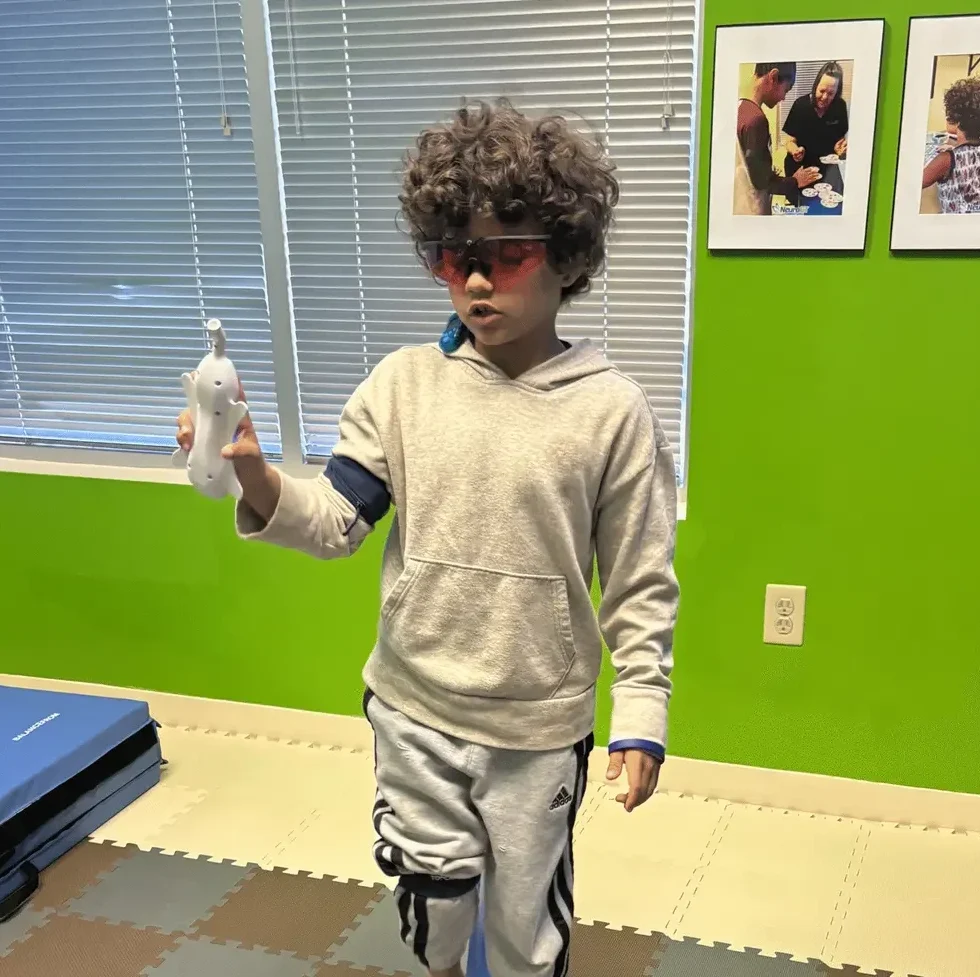
Yes. Attention and understanding rely on multiple brain systems working together efficiently. When processing speed, working memory, executive functioning, auditory processing, or visual processing are less efficient, children may appear inattentive even though they are trying their best to keep up.

Our Brain & Body Assessment helps identify which neurological systems may be contributing to your child's challenges. Using those findings, we develop a personalized brain training program designed to strengthen the underlying skills that support attention, comprehension, and learning.

As brain function becomes more efficient, many families report improvements in their child's ability to follow directions, participate in conversations, understand new concepts, and stay engaged at home and at school.

To help your child succeed in school, be their advocate.  Work with the teachers and the school to make the school environment work for them.

Talk to your child’s teacher about their sensory processing disorder. While most official psychiatric and pediatric organizations don’t recognize sensory processing disorders, there are many sympathetic educators and administrators who are open to working with parents and children on the issue. Make an appointment with your child’s teacher and any relevant administrators so that you can discuss in-class options for making your child’s educational experience more sensory-friendly.

Be sure to bring any pertinent background information and documentation to the meeting. For example, bring any medical or psychiatric reports detailing your child’s symptoms and problems, as well as any educational pamphlets you might have about the nature of the disorder.

Check out the comfort of your child’s seat and desk. Just as children affected by a sensory processing disorder can be particularly sensitive to irritating clothing, they can also find seating arrangements more uncomfortable and distracting than other children do. Make sure their chair fits well, so that their feet rest flat on the floor and the chair does not pinch or scrape in any way.

If you find that your child responds well to fidget toys and sustained physical movement, try a seat cushion or inflatable pillow that will allow them to move around.

Have the teacher move your child’s desk to the front of the class. Many parents find that their child’s performance at school improves if their desk is moved closer to the teacher. This way they can focus more easily on the teacher’s words, see fewer intervening distractions, and be a more easily supervised pupil.

Additionally, ask the teacher to keep your child’s desk away from the window, a loud radiator, or the hallway. If your child is sensitive to light, ask to have any fluorescent lamps removed or placed further away.

Allow for regimented breaks throughout the day. Just as your child benefits from time-outs at home, they will benefit in school from the same kind of punctuated breaks at school. Ask the teacher to allow several ten-minute time-outs throughout the day, especially after highly social activities.

Ideally, your child could use a mini-trampoline, suck on a piece of candy, or go for a mini-walk during these breaks, as receiving sensory input during this time will make the time-outs even more effective.

Move your child’s lunch away from the main cafeteria. Due to its loud, social nature, many children with sensory processing disorder find lunch time to be a particularly overwhelming period in the day. If your school reports that your child has had problems during lunch, ask for permission to let your child and a friend eat lunch in a quiet room outside of the main cafeteria.

Children with sensory processing disorder are notoriously picky eaters, so contact a pediatric nutritionist for strategies to improve your child’s eating habits and diet.

Have your child exempted from loud assemblies or activities. In addition to lunchtime and recess, special assemblies, sports events, and other social activities can be particularly overwhelming sensory experiences for your child. These can incite meltdowns and other behavioral setbacks. If possible, keep your child out of such environments.

If your school is unwilling to do so, ask that they be allowed to take breaks with a teacher escort, or that they be allowed to wear headphones or sit near the door.

Remember, you are your child’s best advocate.  In working with NeuroFiT Connections, you will take a great step towards your child’s bright future.  Start with an assessment, which will determine exactly what’s going on in the child’s brain, followed by a program as unique as the child.
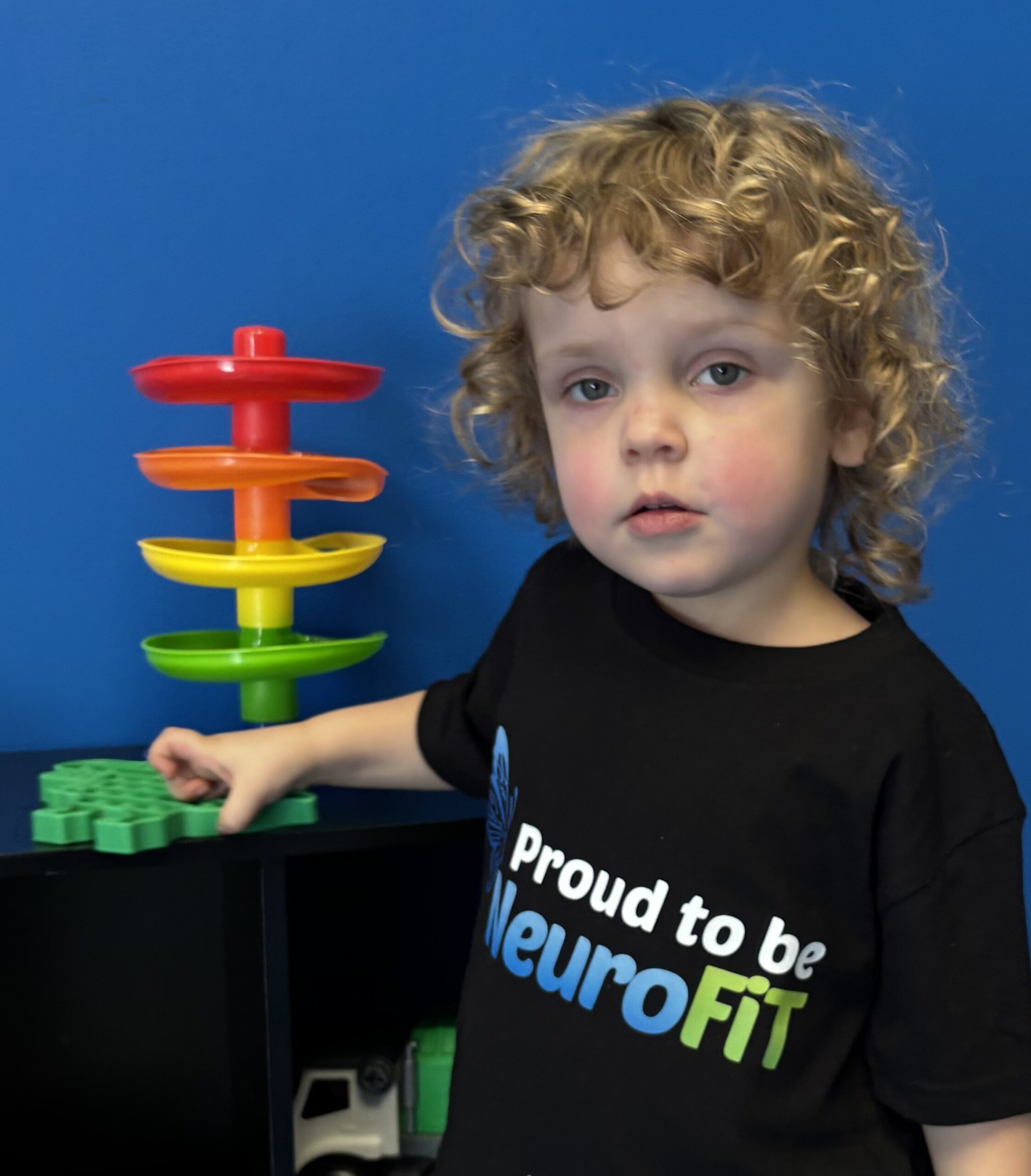
Although processing disorders and ADHD can share similar symptoms, they affect children in different ways.

Children with ADHD often struggle to maintain attention, regulate impulses, or stay organized. Children with processing disorders may be paying close attention but still need additional time to understand, organize, or respond to information.

Some children have one condition, while others have both. Because the symptoms can overlap, it's important to understand which brain functions are contributing to your child's challenges.

Our comprehensive Brain & Body Assessment evaluates multiple aspects of brain function to help identify the areas that may benefit from personalized support, allowing us to develop a program based on your child's individual needs rather than a diagnosis alone.

Yes. It is not uncommon for children to experience challenges in more than one area of processing. For example, a child may have difficulties with auditory processing, visual processing, processing speed, or sensory processing at the same time.

These challenges may also occur alongside ADHD, dyslexia, autism, or other developmental differences. Because every child's neurological profile is unique, understanding how these systems interact is an important part of developing an effective plan.

Our Brain & Body Assessment is designed to evaluate multiple areas of brain function so we can identify the specific combinations of strengths and challenges that influence your child's learning and daily life.

No.

In the simplest terms, occupational therapy helps you build healthy habits to change your overall health for the better.

Occupational Therapists partner with you and your care team to help you understand how your diagnosis impacts your daily life, set goals, and guide you on your healing journey.

OT’s manage developmental issues while the NeuroFiT Connections program gets to the root cause of the issue and corrects it.  Our program is shorter than OT and can work hand in hand with occupational therapy for some people.

Tutoring, speech therapy, and other educational services help children develop academic, language, and communication skills. These services can be an important part of a child's overall support plan.

At NeuroFiT Connections, we focus on strengthening the underlying brain functions that influence how children receive, organize, interpret, and respond to information. Rather than teaching academic content or language skills directly, we use a personalized brain training program designed to improve attention, processing, executive functioning, sensory integration, and other foundational neurological systems.

Many families choose NeuroFiT Connections alongside tutoring or speech therapy because the approaches complement one another. While those services help children build specific skills, our program focuses on improving the efficiency of the brain systems that support learning across many areas of life.

Sensory processing issues are not an official mental health disorder. To find out whether a child has sensory processing issues, a professional can give the child sensory tests. Observations from parents and other adults in the child’s life are also an important part of diagnosis.

A diagnosis is not required for us to determine if there’s an issue and how that issue can be resolved.  Our assessment covers ten critical areas of development.

Book an assessment today to discover more.

Parents who have a child with a Sensory Processing Disorder commonly wonder if they can lead a "normal" life. If that means being independent and otherwise living like neurotypical people, there is no simple answer.

After completing their custom NeuroFiT Connections program, children with a Sensory Processing Disorder will still retain the benefits of their disorder while removing or reducing the negative aspects of the disorder.  The result is that a NeuroFiT Connections kid will be able to live a normal or near normal life.  Schedule a call with a Cognitive Coach to discover more.

Without NeuroFiT Connections, children with a Sensory Processing Disorder will grow up with all the benefits they currently have as well as all the drawbacks. 

Children come to NeuroFiT Connections with a wide range of learning, attention, behavioral, and developmental challenges. While every child is different, many families seek our program because their child is struggling in school despite putting forth effort, has difficulty keeping up with classmates, or has not made the progress they hoped for with traditional interventions alone.

Our program may be appropriate for children experiencing challenges with reading, writing, math, attention, executive functioning, processing speed, working memory, sensory processing, motor coordination, or emotional regulation. Some children have a formal diagnosis such as dyslexia, ADHD, or autism, while others simply struggle academically without a clear explanation.

The best way to determine whether NeuroFiT Connections is a good fit is through our comprehensive Brain & Body Assessment. This assessment helps us understand your child's unique neurological profile and whether a personalized brain training program is likely to address the underlying factors contributing to their learning challenges.

No two children learn exactly alike, which is why no two NeuroFiT Connections programs are exactly the same.

Every child begins with a comprehensive Brain & Body Assessment that evaluates multiple aspects of neurological function, including attention, executive functioning, cognitive performance, visual and auditory processing, processing speed, working memory, motor coordination, balance, primitive reflexes, and other systems that influence learning and development.

Using these results, we create a personalized brain training program tailored to your child's specific strengths, challenges, and goals. Throughout the program, activities are adjusted as your child progresses to provide the right level of challenge while supporting continued growth.

Our individualized approach allows us to focus on the areas that matter most for each child rather than using a standardized program based solely on a diagnosis.

After your child's assessment is complete, you'll meet with one of our specialists to review the findings in detail. We'll explain how the different areas of brain function work together, discuss the strengths and challenges identified during the assessment, and answer your questions.

If we believe your child is a good candidate for our program, we'll recommend a personalized brain training plan based on their unique neurological profile. We'll explain the goals of the program, what activities may be included, the recommended schedule, and what you can expect throughout the process.

Our goal is to ensure you have a clear understanding of your child's assessment results and the reasoning behind every recommendation so you can make an informed decision about the next steps.

While we have not evaluated other companies that claim they can resolve developmental issues, we can say that few integrate the primitive reflexes that are the cause of the imbalance between the left and right hemispheres of the brain which research has shown is the cause of developmental issues. 

To change the brain and correct the imbalance between the hemispheres, it takes three things: integration of primitive reflexes, hemispheric stimulation, and core stabilization.  Our program does all three things at the same time.  Of those that do work on integrating primitive reflexes, many do not work on all three components at the same time, opting instead to work on one piece at a time.

We are aware that there are no two people who have a developmental delay that are the same.  As a result, we personalize our program to each student (what we call a “patient”).  Some companies don’t follow this practice, opting instead to put each patient through the same set of steps.

Our Cognitive Coaches are dedicated to being the best they can be at working with those with developmental delays.  As a result, they are continually improving their skillset by working with and learning from the world’s best neurologists. 

Part of the continuing education our coaches go through is Red Light Therapy training.  This allows us to stimulate specific areas of the brain to reduce the time a student goes through their program and improve the results.

When a student is caught up, we offer what we call Next Level Training to continue their growth to make them unstoppable.

No.  A diagnosis is helpful during the assessment process, but it’s just a guide and is, many times, wrong especially when it comes to ADD/ADHD.  Our assessment covers ten areas:

Dominance: A dominant side should be selected by three years of age.  Not selecting a dominant side in terms of their hands, feet, ears, and eyes indicates a problem.

General eye movements: In terms of the brain, the eyes tell a story.  We check both slow and fast eye movements as well as convergence of the eyes, peripheral vision, and eye fixation. When the eyes are not tracking properly, you’ll see problems with balance, reading, sports, coordination, focus, driving, rhythm and timing.  Information needs to go in properly to be processed properly.

Primitive Reflexes: All brain growth starts from the bottom up.  Retained primitive reflexes, stored in the brainstem, inhibit the ability of the left and right hemispheres to properly grow.  All primitive reflexes are expected to be integrated by two years of age, with some integrating as early as three months of age. 

Rhythm & Timing: Rhythm and timing impacts us in all areas of life such as cognition, attention, focus, memory, speech and language, executive functioning, comprehension, as well as motor & sensory skills.  We measure Rhythm and timing based on the number of correctly timed responses to stimulus.

Cognition: We use a variety of scientifically validated brain health assessments for Visuospatial Working Memory, Spatial Short-Term Memory, Working Memory, Mental Rotation, Visuospatial Processing, Deductive Reasoning, Planning, Verbal Reasoning, Verbal Short Term Memory, Attention, and Response Inhibition.  We don’t give every child every test.  We pick and choose which tasks to administer based on the information provided. 

Proprioception: Poor proprioception means the student (what we call a “patient”) will have difficulty interpreting body positions and movements from the muscles and joints.  With poor body awareness comes poor social skills.  Poor proprioception can cause several signs and symptoms.

Fine motor skills: Poor fine motor skills result in the inability to perform precise movements with the hands and fingers. This can manifest as difficulty with tasks such as writing, drawing, buttoning clothes, or using scissors.  Fine motor skills can affect cognitive skills and might impact speech and food choices.

Auditory Processing: An auditory processing deficit will cause delays in language, and further, reading. This shouldn’t be surprising as it is common knowledge that reading is nothing more than language that has been written down. And it is also well known one must be able to hear and process information to learn a language.

Abdominal Core Muscles: Poor musculature results in poor processing in the brain.  Abdominal core muscles are the driving force for the brain growth and speed of processing.  We test abdominal core musculature using the Presidential Standards. 

Coordination: Coordination is the ability to execute smooth, accurate, controlled motor responses. It involves selecting the right muscle at the right time with proper intensity to achieve proper action. Poor coordination can result in injuries and an inability to perform well in sports.  More complex and organized movements create a more complex and organized brain. We test coordination using a pattern crawl across the midline. 

The comprehensive assessment tells us all we need to know to accurately determine the issues a student faces, the root cause of those issues and what we need to do to correct the root cause.

While we can and have worked with adults, our program is geared for children from 18 months to 18 years of age.  That’s because most adults have developed coping mechanisms to help them get through each day, while children haven’t.

Our youngest student (what we call a “patient”) was two and our oldest eighty-four.  Our average student age is eleven.

No.   Nor do we recommend medication for our students (what we call our “patients”).  Being on medication does not preclude the ability of our students to go through program either, though we do recommend that our students re-visit their primary care physician to determine if the medication is still required after their program.

Primitive reflexes are automatic involuntary movements essential to a baby’s birth and survival in the first few weeks and months of life.  They originate in the brainstem, the bottom stalk-like portion of the brain where the cerebellum connects with the spinal cord.  These reflexes are normally quickly integrated as the higher centers of the brain develop and voluntary responses become dominant. 

One of the primitive reflexes you might be familiar with is the rooting reflex which causes a baby’s head to turn when rubbing a finger or nibble along the cheek.  This reflex is normally present at birth and fully integrated by four months of age.  If the reflex is still present after four months, you might see poor articulation and speech issues, tactile sensitivity around the face, poor manual dexterity and fine motor skills, picky or selective eating, and chewing on fingernails, clothing, pens, etc. 

Even though a child may have hit their developmental milestones, Primitive Reflexes may be present because of a traumatic incident or an uncaught weakness in one side of the body. 

Research shows that retained Primitive Reflexes are precursors to developmental delays and processing disorders.  During the comprehensive assessment, we test ten different reflexes.

Book an assessment to find out more.

Depending on the severity of the developmental issue, the entire program could take from twelve weeks to two years.  The average is sixteen to twenty-four weeks.  The assessment will tell us approximately how long the entire program will be.  We also reassess students (what we call our “patients”) every four weeks to make sure the student is on track.  We may adjust their program duration at that time.

Students will work with their coach 3 times a week for about an hour for the duration of their program.  Additionally, students will have some work to do at home that will take thirty minutes or less.

The cost is based on the number of sessions the student (what we call a “patient”) requires as well as your situation in life. We do offer discounts for single parents, first responders, veterans, and the like. The average payments are as low as $167 to $335 a month for 72 months. While we don’t accept insurance, we do offer a variety of discounts and payment options, many interest free.

After going through their program, many of the services a child uses will no longer be required, resulting in a cost savings over time.

No.  Since the NeuroFiT Connections program is a non-medical program and does not provide a diagnosis, it is not covered by health insurance. Nor is a diagnosis required for someone to benefit from our services.  Our in-depth assessment will uncover everything required to create a customized program to get to the root cause of the developmental issue and resolve it.

Our staff are trained and are Board Certified Cognitive Coaches through outside accrediting agencies. 

We are also working to allow you to bill Medicare and Medicaid for services, but it will only cover part of the costs. 

Get Resources & Tips on Parenting Children With Sensory Processing Disorders

What Happens During a Brain & Body Assessment?
30Jul

What Happens During a Brain & Body Assessment?

Looking Beyond the Symptoms If you’re considering a Brain & Body Assessment, you’re probably searching for answers. Maybe your child struggles with reading, attention, behavior, emotional regulation, learning, or coordination. Perhaps you’ve already received one or more diagnoses. Or maybe…

Understanding Visual Processing and Reading Challenges
27Jul

Understanding Visual Processing and Reading Challenges

My Child Has 20/20 Vision. Why Is Reading Still Difficult? Many parents are surprised when they’re told their child may have visual processing challenges. After all… “They passed their eye exam.” “They can see the board.” “They don’t need glasses.”…

Why Does My Child Need Everything Repeated?
10Jul

Why Does My Child Need Everything Repeated?

Why Does My Child Need Everything Repeated? “I just told you that.”  “Why do I have to repeat everything?” “I know you heard me!” If you’ve found yourself saying these phrases over and over, you’re not alone. Many parents become…