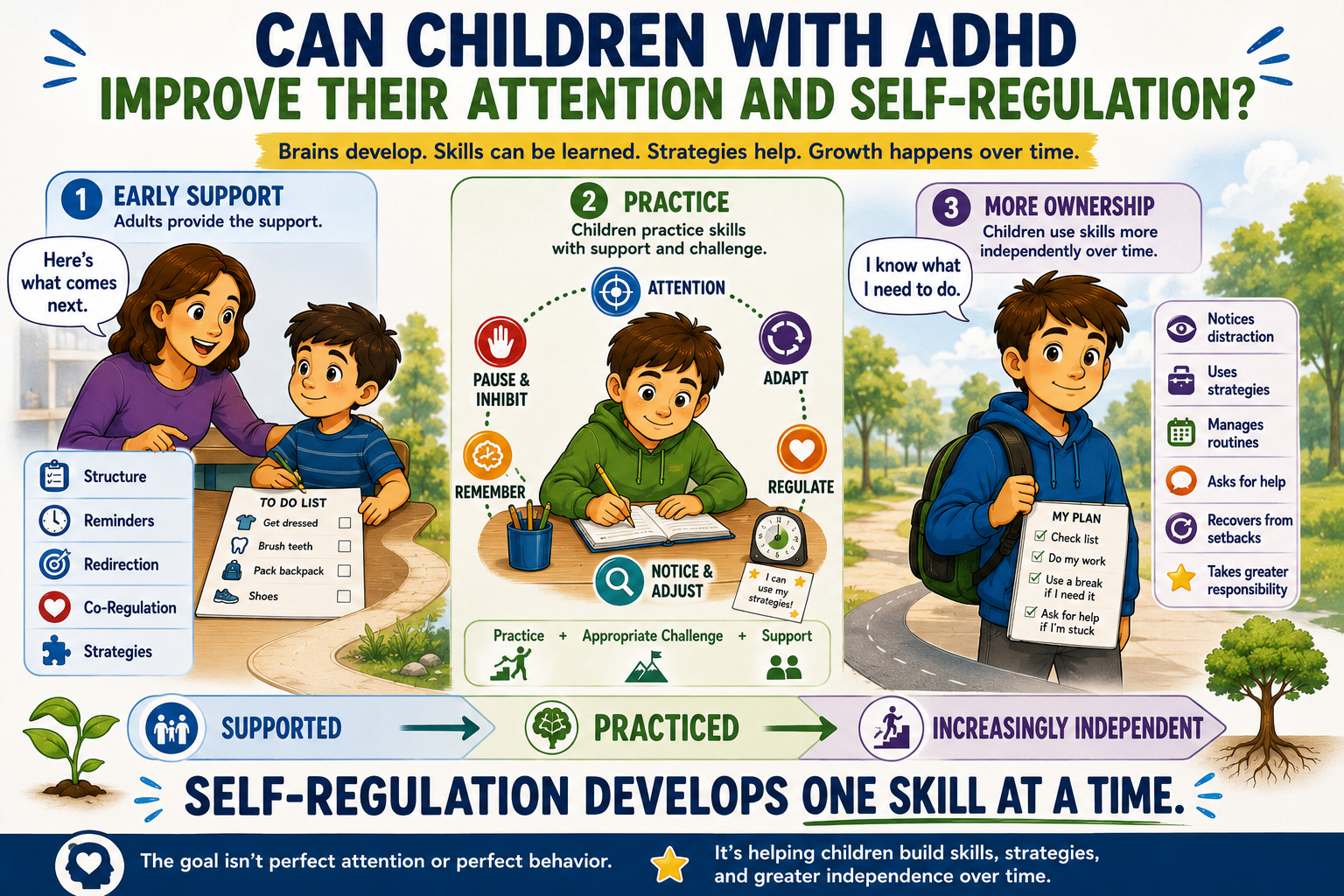
If your child has ADHD, you’ve probably spent a lot of time thinking about the things that are difficult. Staying focused. Following directions. Managing frustration.

If your child has ADHD, you’ve probably spent a lot of time thinking about the things that are difficult. Staying focused. Following directions. Managing frustration.
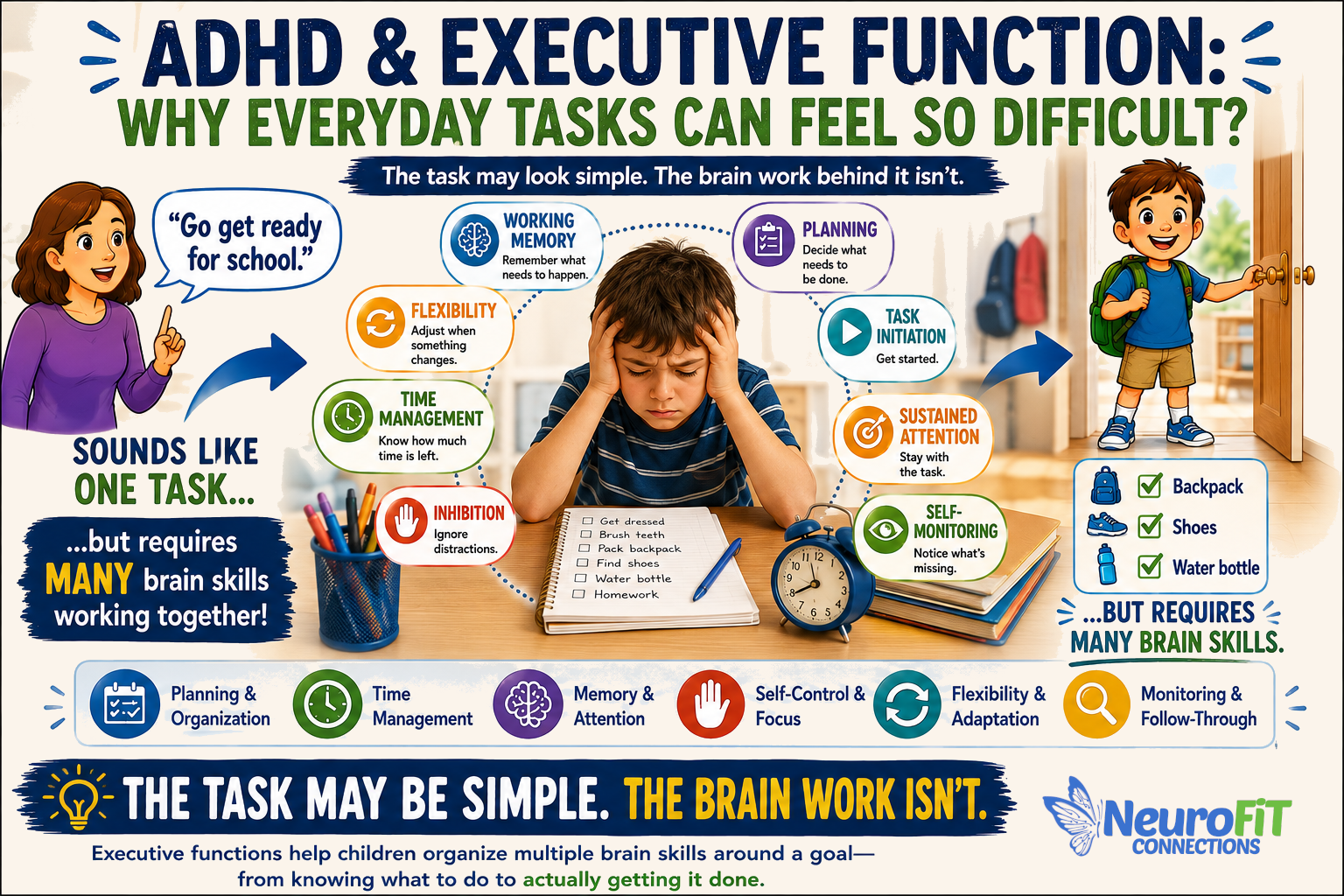
“Go get ready for school.” It sounds like one task. But a few minutes later, your child is sitting on the bedroom floor playing with
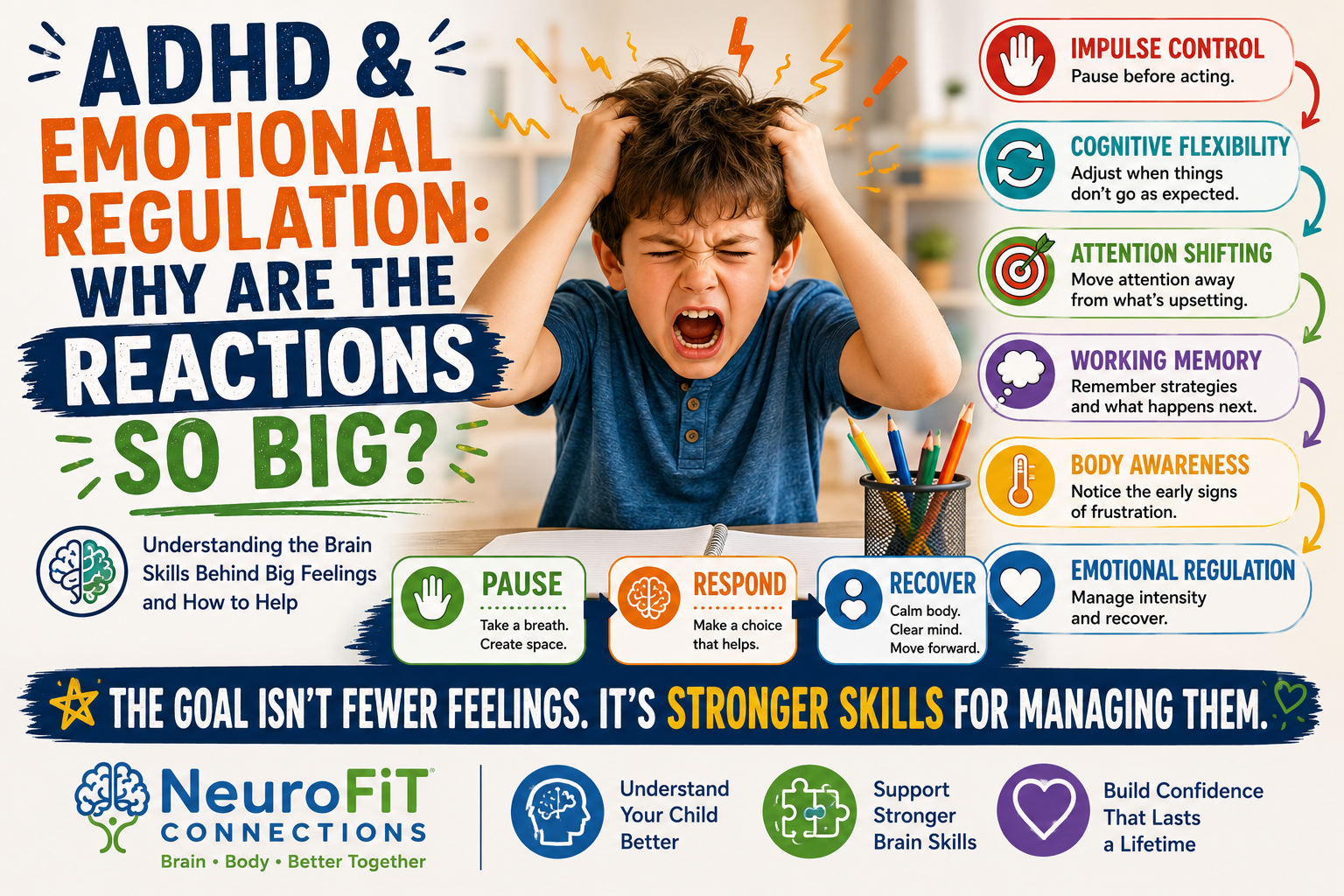
You tell your child it’s time to stop playing. They explode. Their sibling gets the “wrong” cup. They’re devastated. Homework doesn’t go the way they
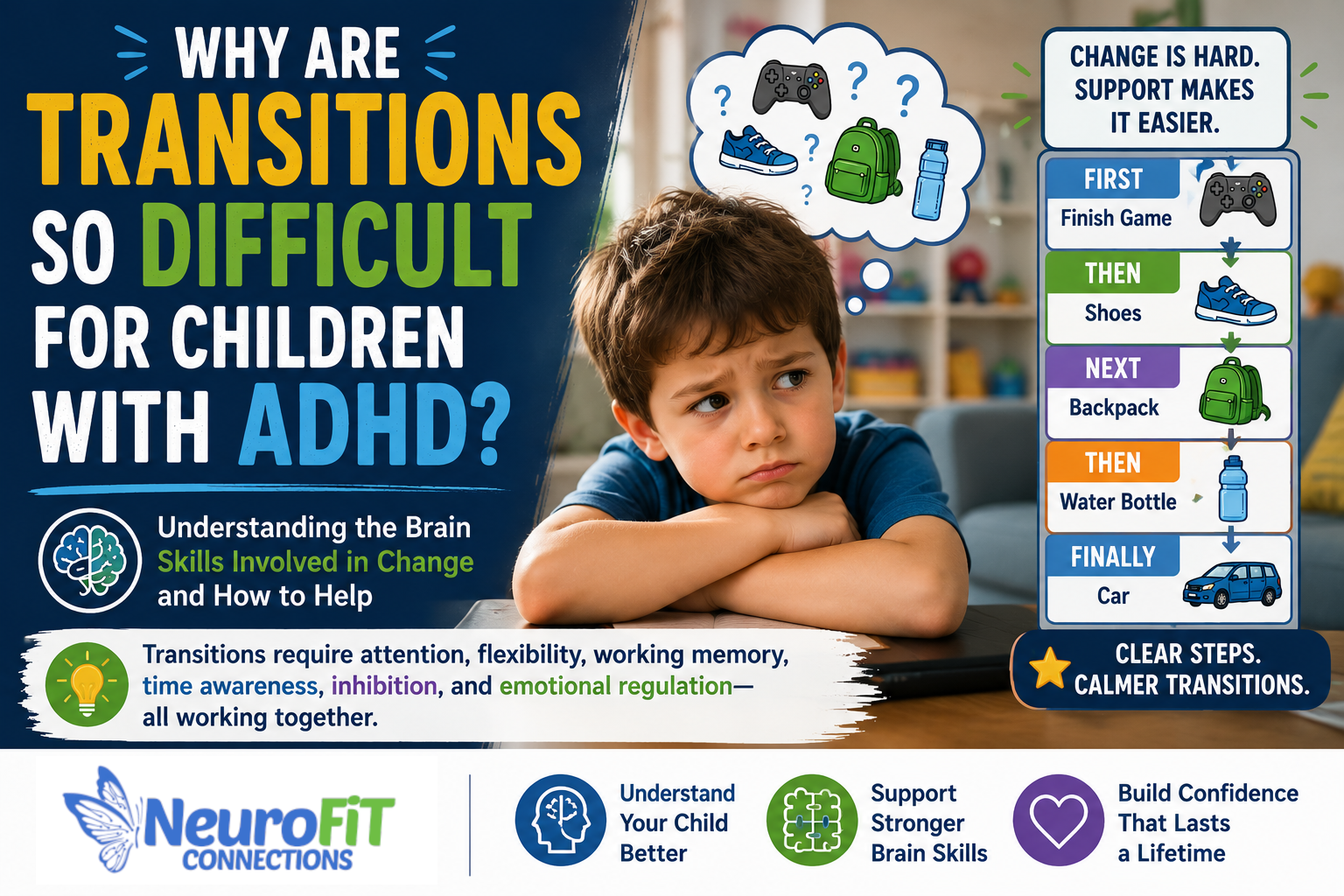
“Five more minutes, and then it’s time to turn off the tablet.” Your child agrees. Five minutes later, you give the reminder. “Okay, time’s up.
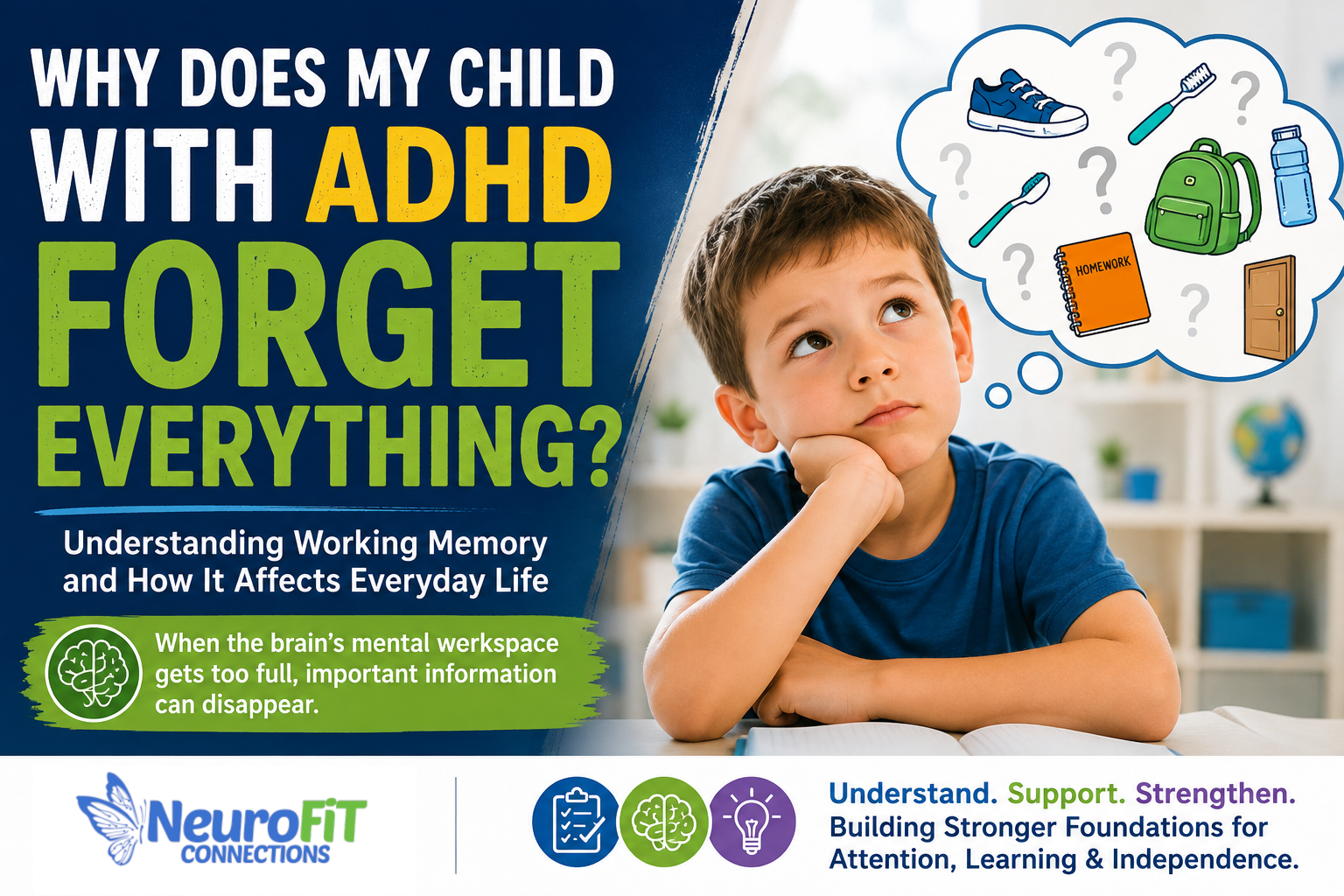
You tell your child: “Put your shoes on, grab your backpack, get your water bottle, and meet me by the door.” A few minutes later,
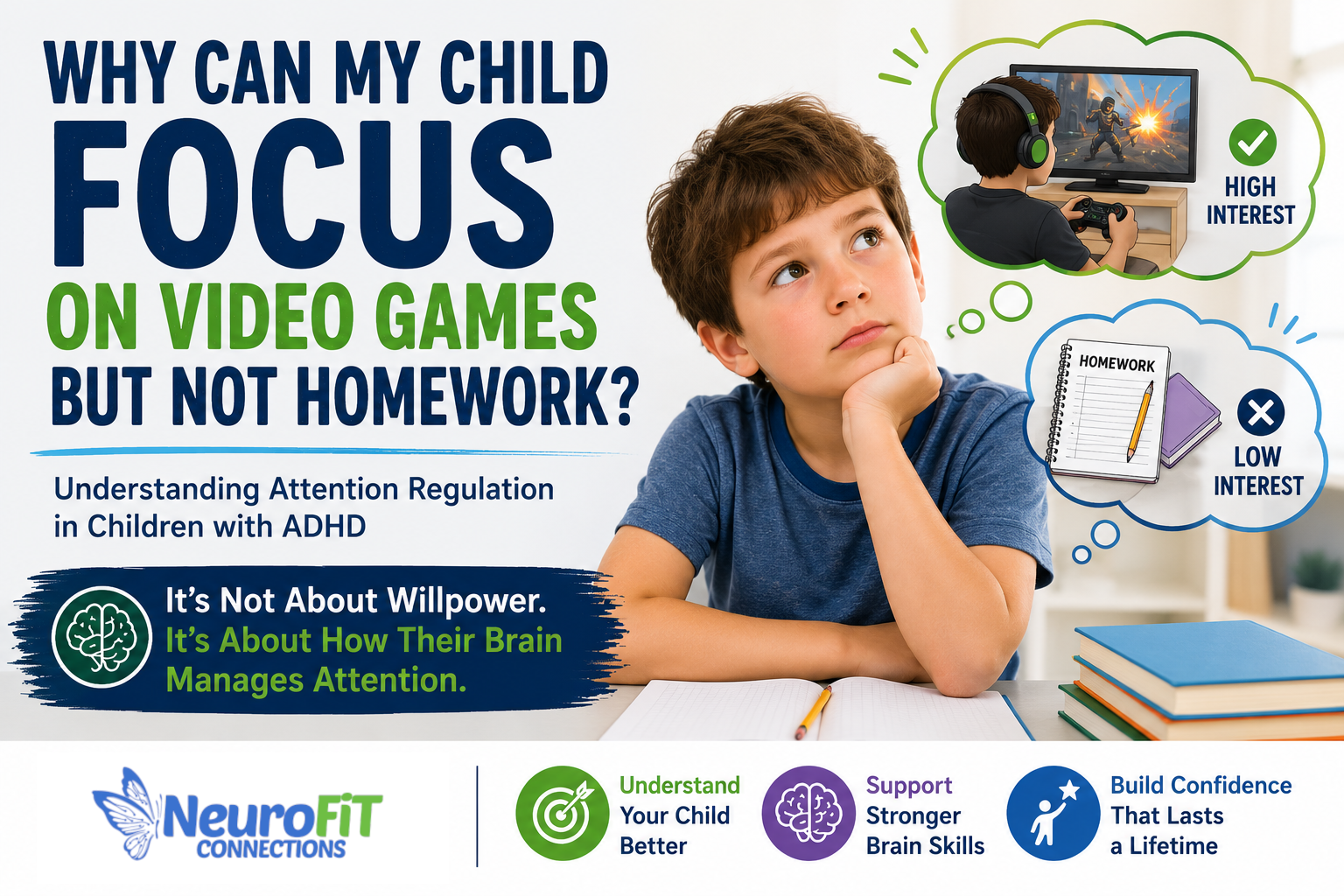
Your child has been playing a video game for 45 minutes. They’re completely absorbed. They notice tiny details. They remember complicated rules. They react quickly.
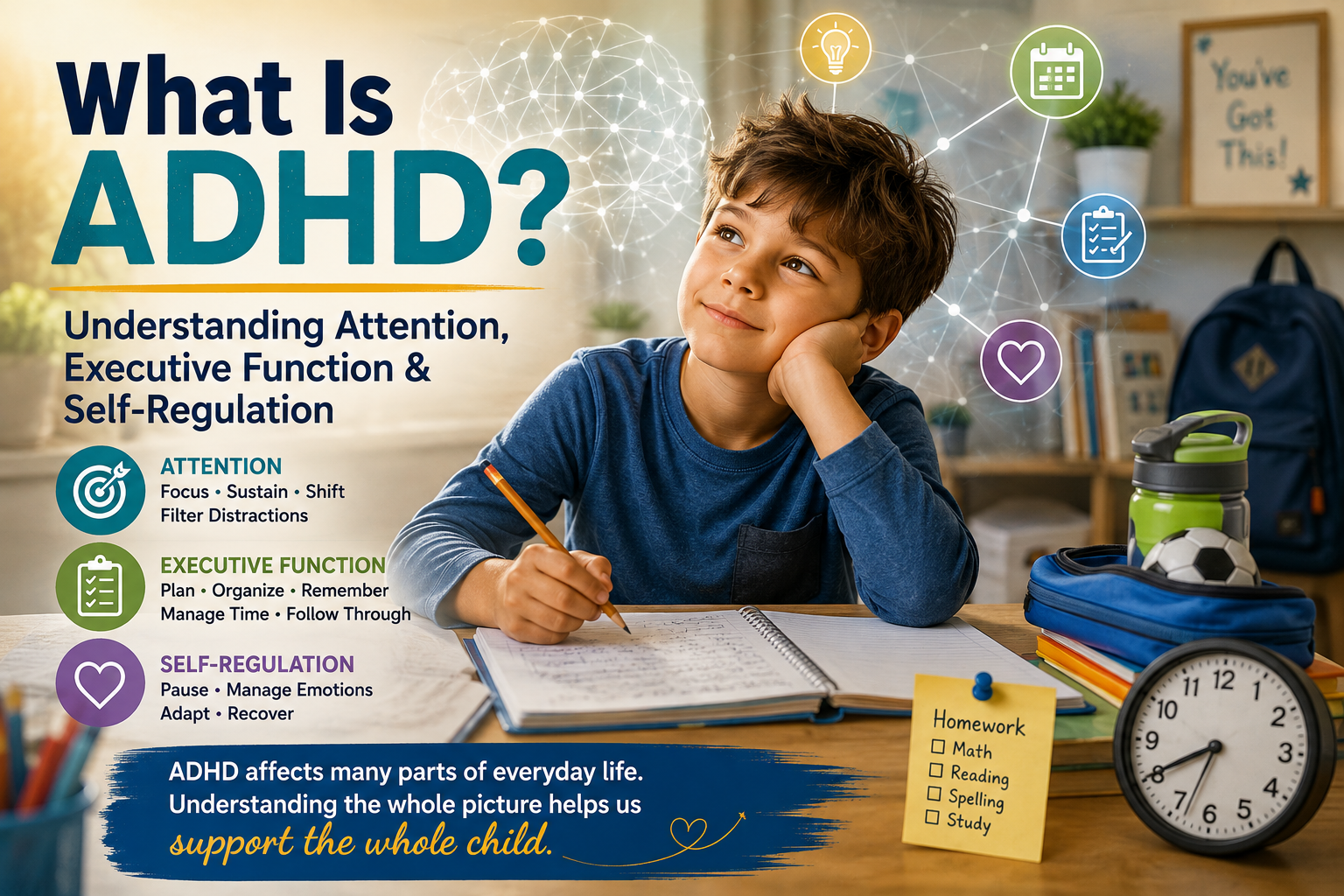
ADHD is often described as a problem with attention. But for many children, the story is much bigger than simply having trouble focusing. A child

One of the first questions parents ask after learning about Developmental Coordination Disorder (Dyspraxia) is: “Will my child ever get better?” It’s an understandable question.

Parents often tell us they hope their child will become more confident. It’s a natural wish. But confidence rarely appears overnight. Instead, confidence is built
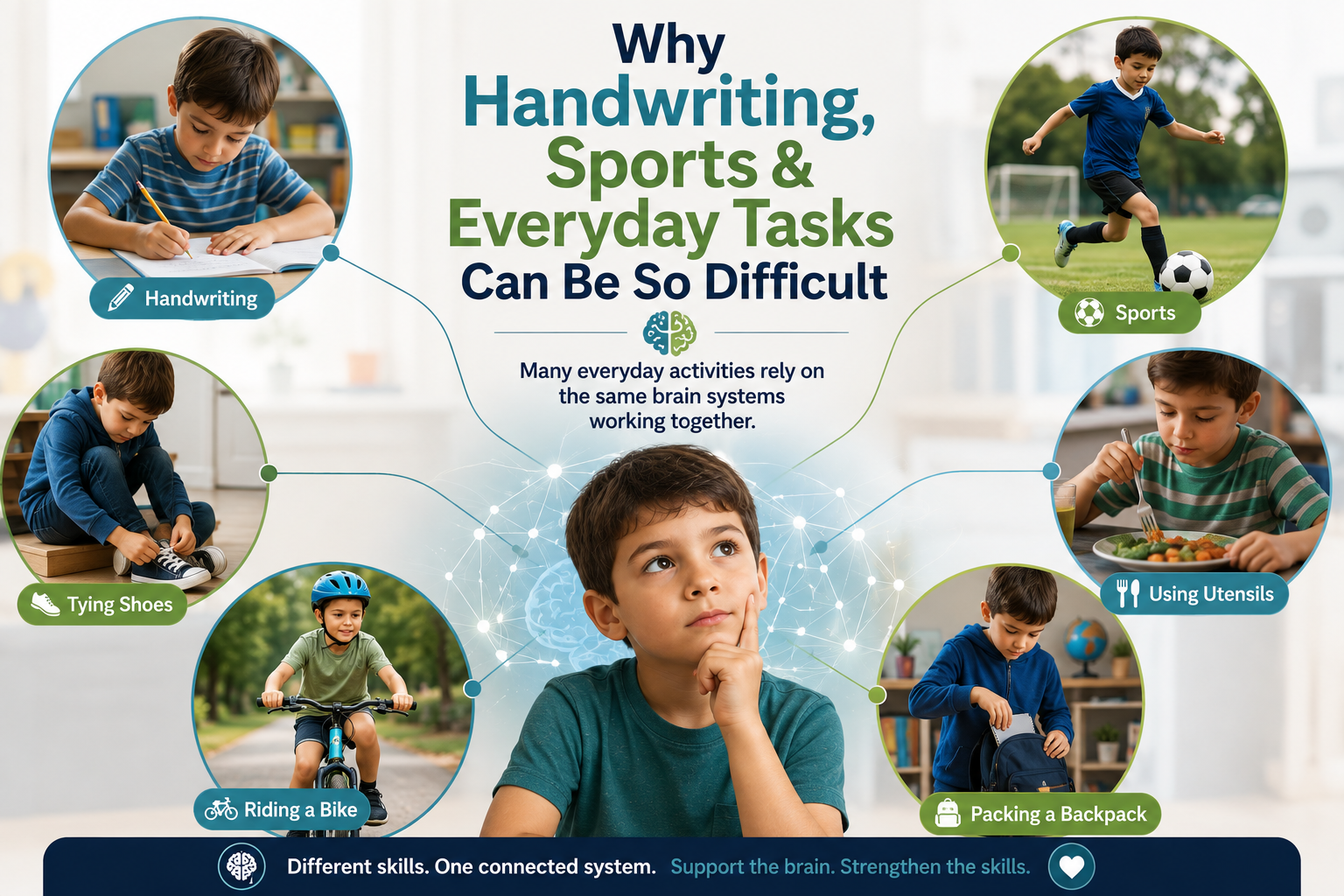
One of the most confusing things about Developmental Coordination Disorder (Dyspraxia) is that the challenges don’t seem connected. A child may struggle with: At first