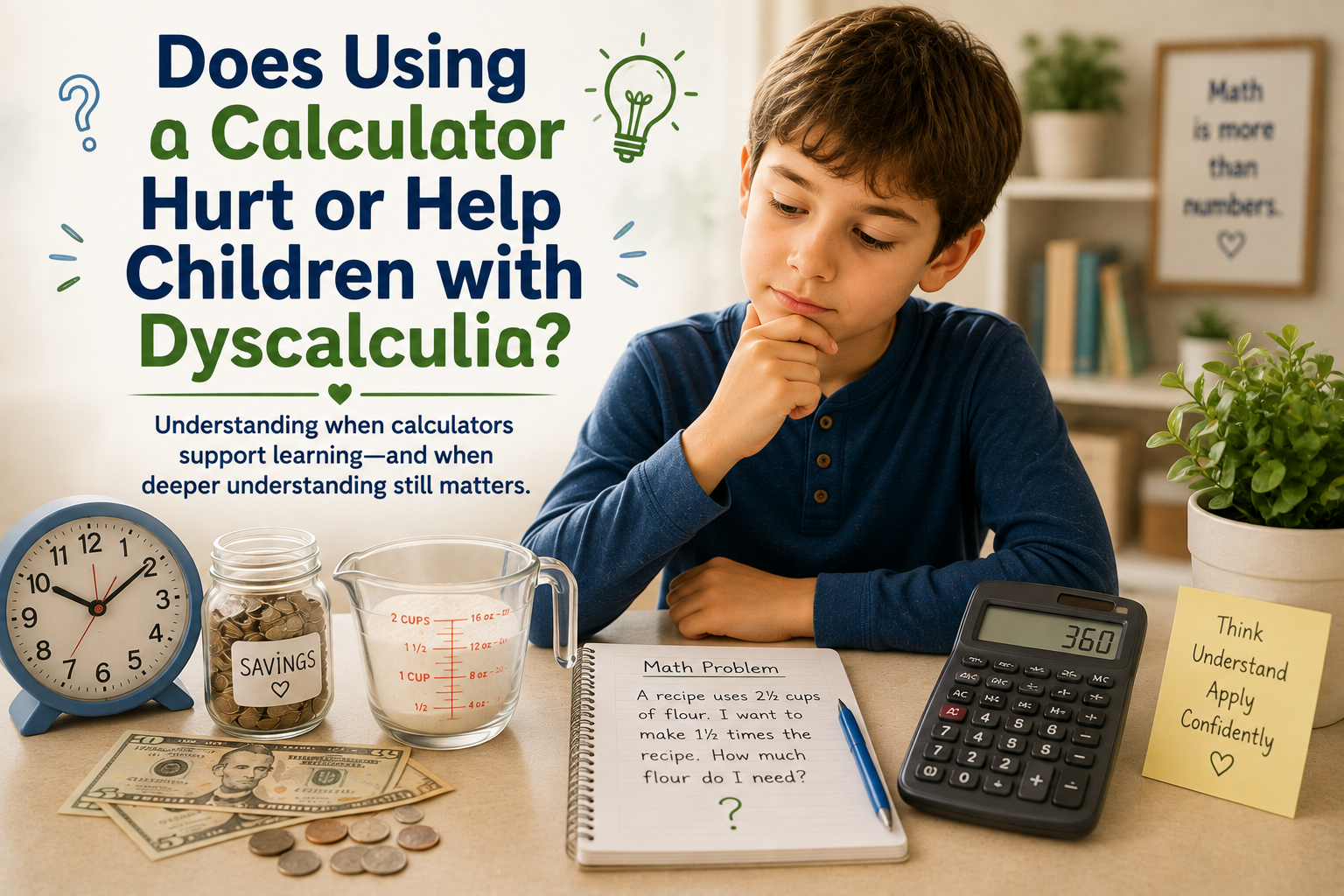
Parents often ask an important question after their child is diagnosed with dyscalculia: “Should my child use a calculator?” Some worry that a calculator will

Parents often ask an important question after their child is diagnosed with dyscalculia: “Should my child use a calculator?” Some worry that a calculator will
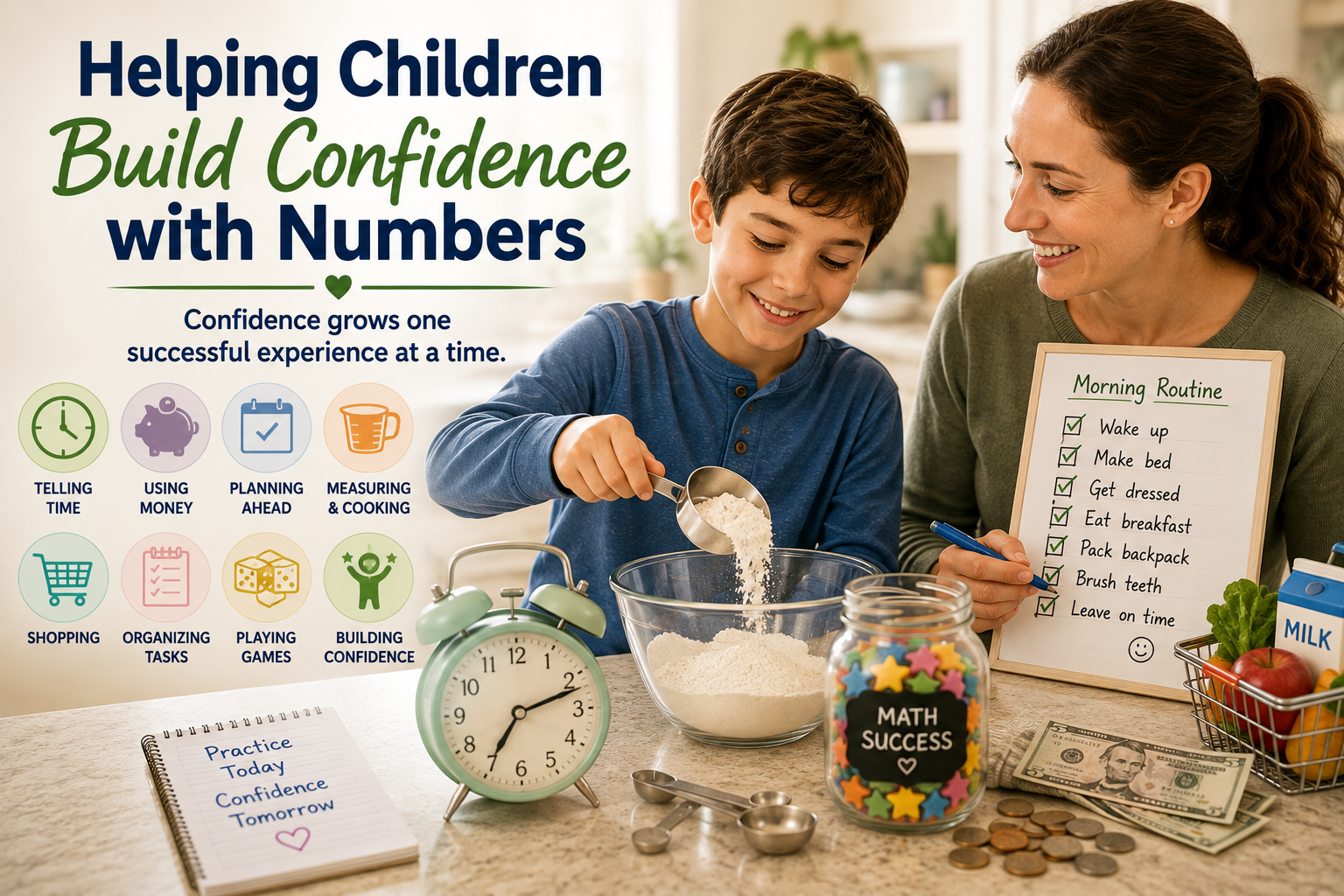
For many children with dyscalculia, the hardest part of math isn’t the numbers. It’s how those experiences begin to shape the way they see themselves.
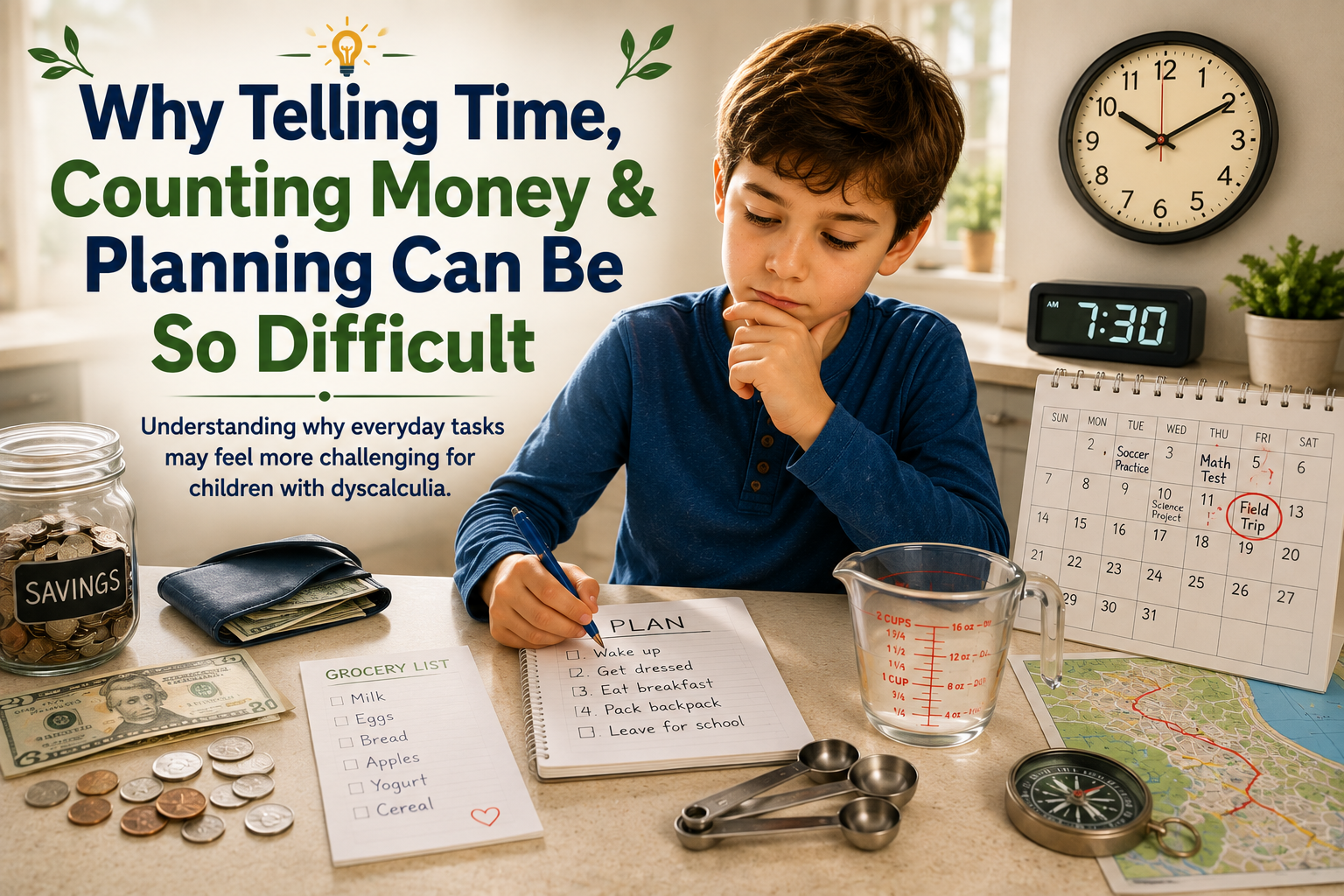
When most people think about dyscalculia, they think about math class. Addition. Subtraction. Multiplication. Fractions. But many parents notice something else long before a math
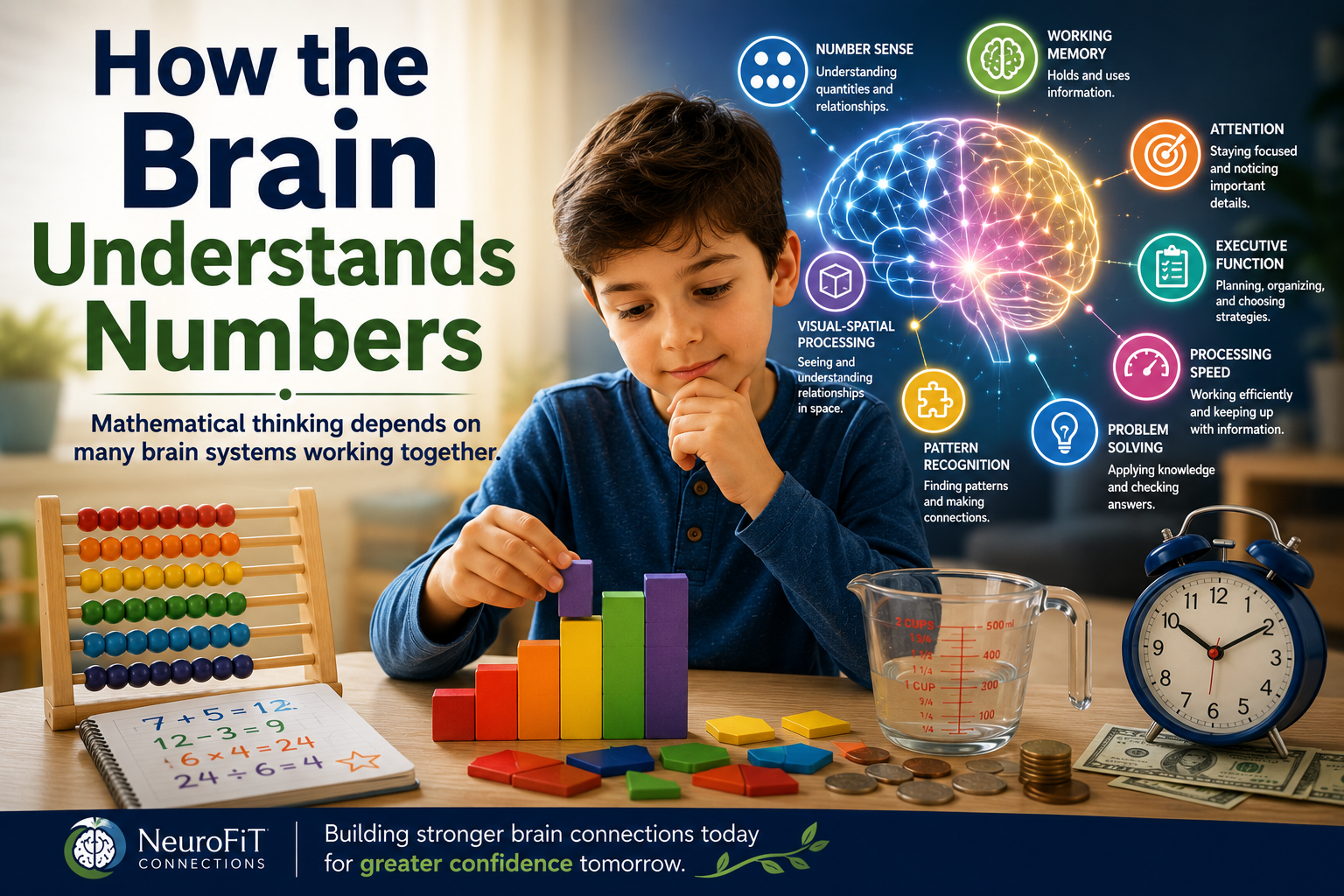
Understanding numbers may appear simple. A child sees the number five. They count five objects. They recognize that five is greater than three. They add
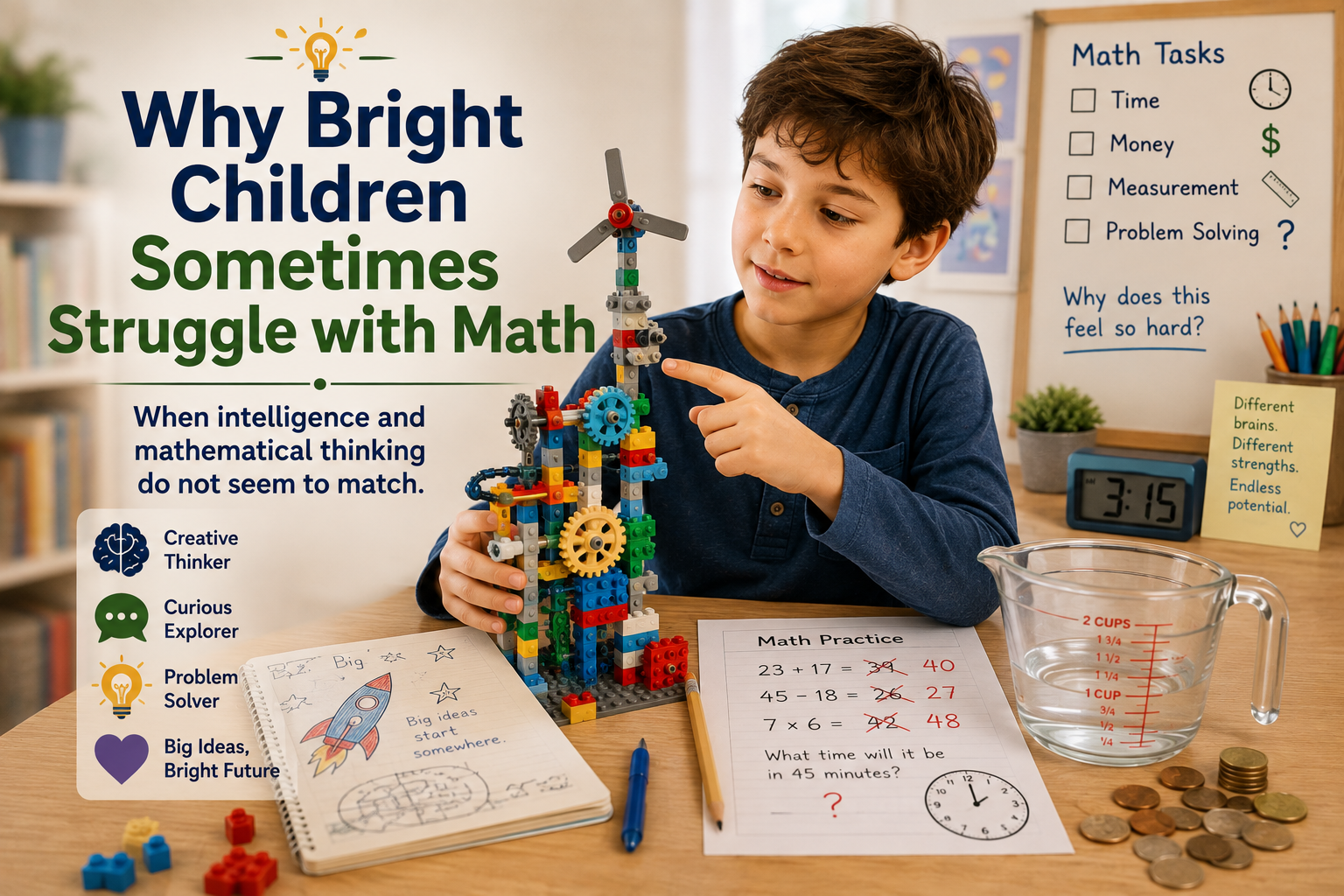
One of the most confusing experiences for parents is watching a bright, capable child struggle with mathematics. Your child may ask thoughtful questions, understand complex
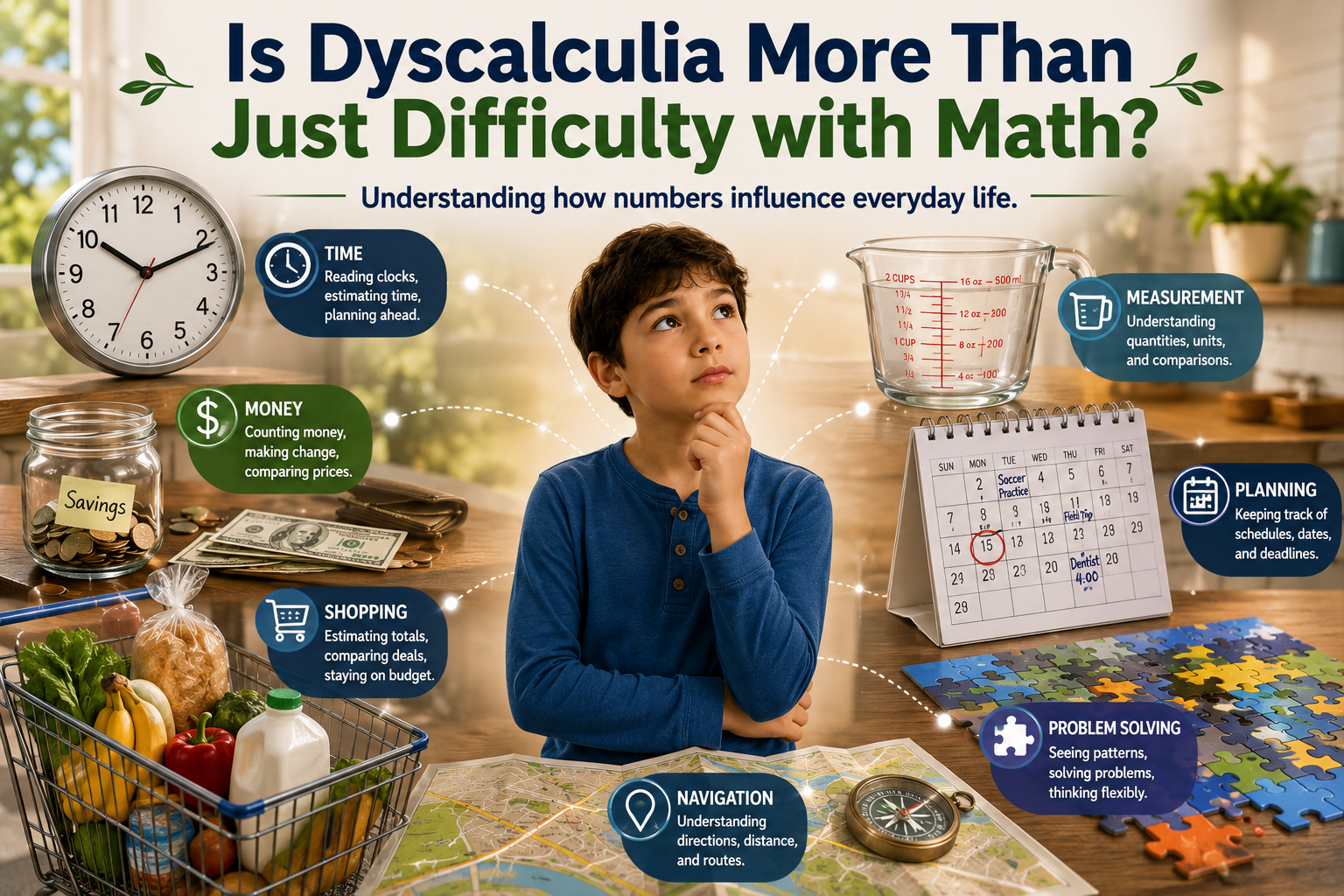
When parents first hear the word dyscalculia, they often assume it simply means a child struggles with math. While math difficulties are certainly part of
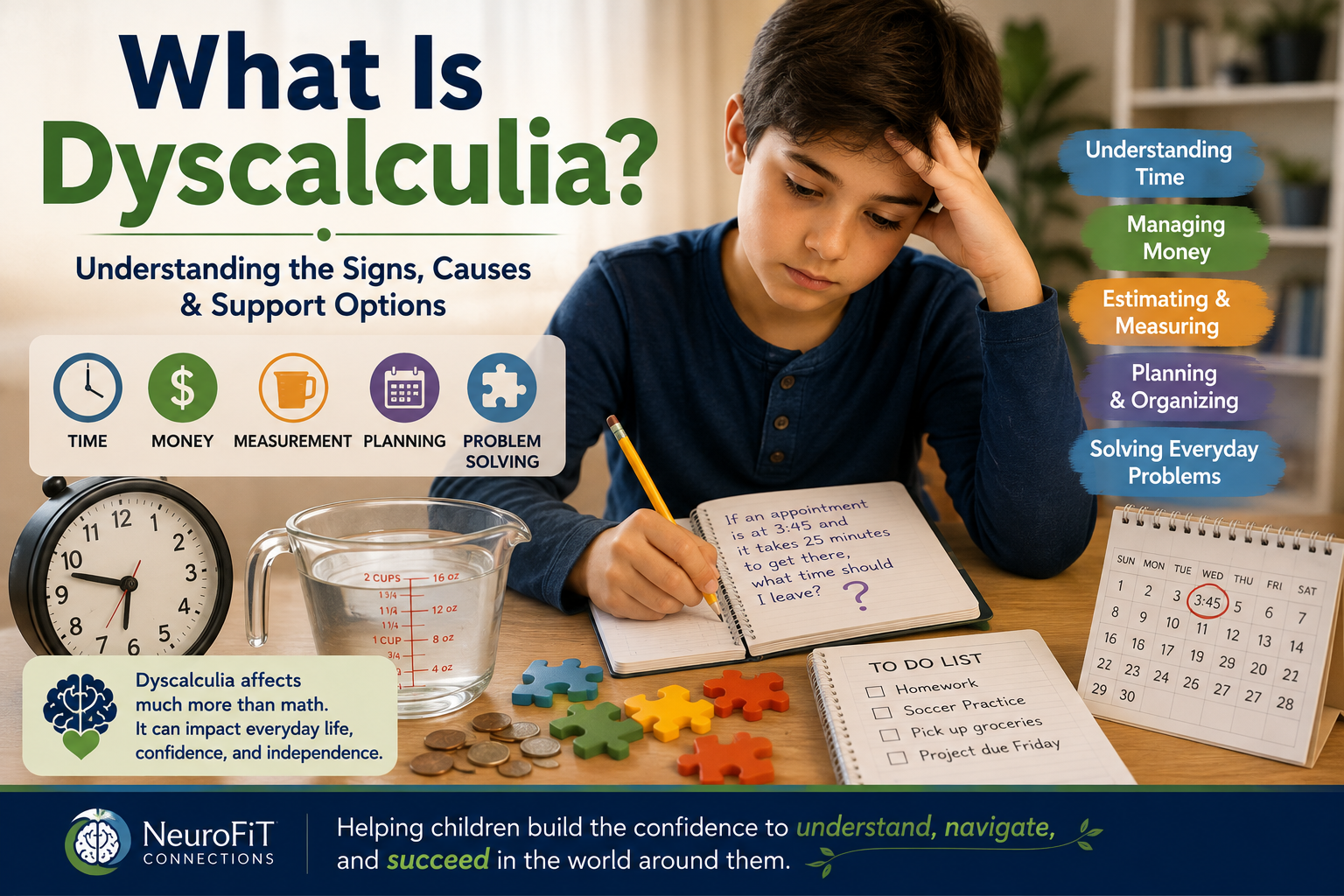
When people hear the word dyscalculia, many assume it simply means a child is “bad at math.” In reality, dyscalculia is much more than difficulty
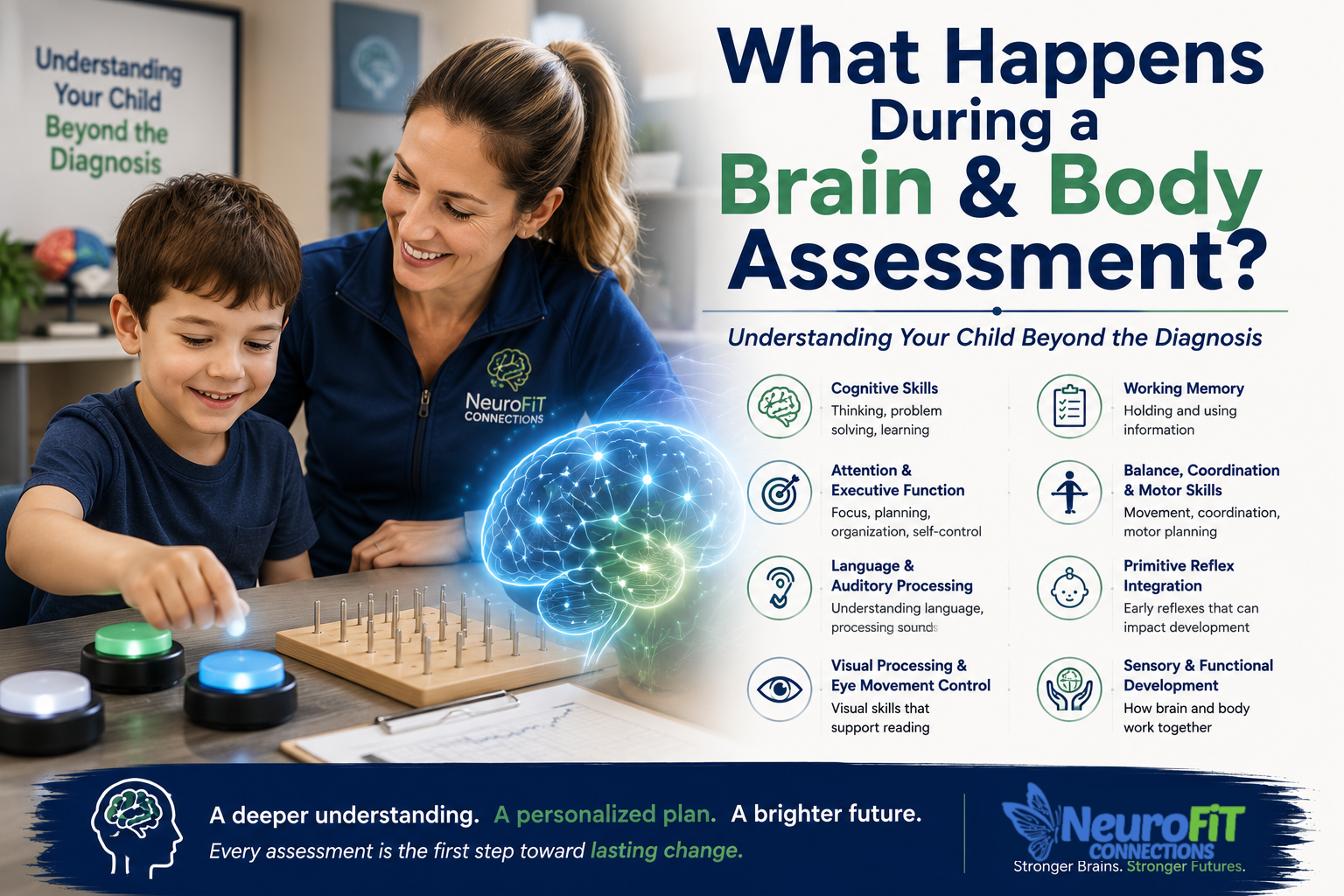
Looking Beyond the Symptoms If you’re considering a Brain & Body Assessment, you’re probably searching for answers. Maybe your child struggles with reading, attention, behavior,

How Color Impacts Your Child’s Brain—and Why It Matters for Behavior and Learning As parents, we often search for answers when our child struggles with

Signs of a Neurological (Neurodevelopmental) Disorder in Kids A parent-friendly guide—through the lens of Dr. Robert Melillo’s work, primitive reflexes, and what mainstream pediatrics says