

If your child has dyslexia or struggles with reading, you’ve probably heard about reading tutors, structured literacy programs, and brain training.

Many parents wonder:
“Aren’t they all trying to accomplish the same thing?”
Not exactly.
While both approaches share the goal of helping children become more successful readers, they often focus on different aspects of learning. Understanding those differences can help families make informed decisions about the support that’s right for their child.
What Does Reading Tutoring Focus On?
Traditional reading tutoring teaches children how to read more effectively.
Depending on the tutoring program, instruction may include:
- Phonics
- Decoding strategies
- Reading fluency
- Vocabulary
- Spelling
- Reading comprehension
- Structured literacy techniques
These instructional approaches help children develop academic reading skills and often provide strategies they can use immediately in school.
For many children, tutoring plays an important role in improving reading performance.
What Does Brain Training Focus On?
Rather than teaching reading itself, personalized brain training focuses on strengthening the foundational brain skills that support reading and learning.
These foundational skills may include:
- Language processing
- Visual processing
- Auditory processing
- Working memory
- Attention
- Executive functioning
- Eye movement control
- Processing speed
- Motor coordination
When these underlying systems work together more efficiently, children may find it easier to apply the reading skills they are learning through instruction.
A Simple Analogy
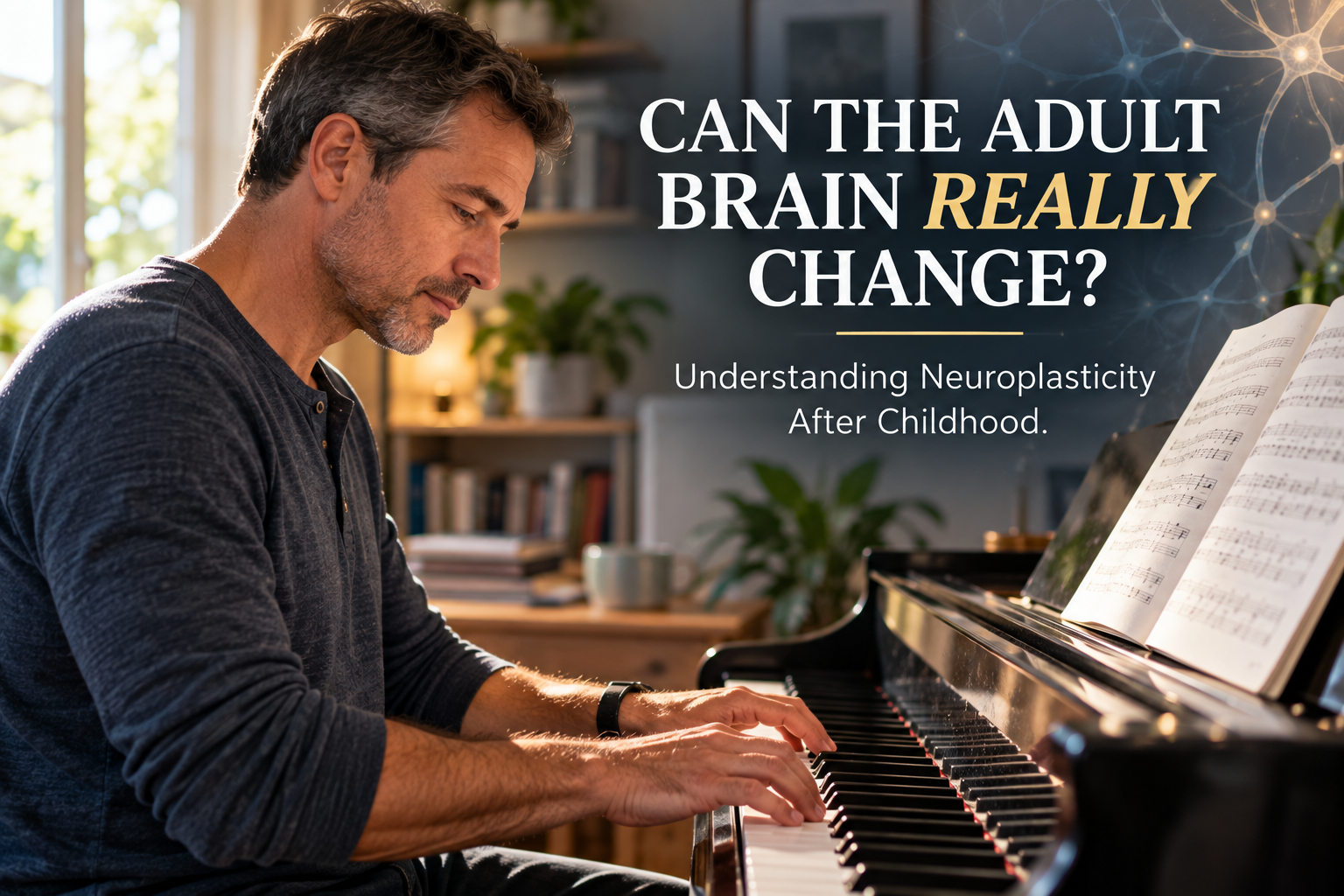
Imagine teaching a child to play the piano.
A piano teacher focuses on reading music, finger placement, rhythm, and technique.
Brain training is different.
It focuses on strengthening the underlying abilities that support learning those skills—such as attention, coordination, memory, timing, and processing efficiency.
Both approaches can be valuable because they address different aspects of learning.
The same idea often applies to reading.
Why Personalized Matters
No two children with dyslexia struggle for exactly the same reasons.
One child may primarily need help with language processing.
Another may struggle more with working memory.
Someone else may experience challenges with attention, visual processing, or eye movement control.
That’s why NeuroFiT Connections begins every program with a comprehensive Brain & Body Assessment.
Rather than assuming every child needs the same activities, we identify the unique combination of foundational brain skills that may benefit from support and create personalized recommendations based on those findings.
Because we don’t build programs around diagnoses—we build them around children.
Can Brain Training Replace Tutoring?
Not necessarily.
Many families choose to combine personalized brain training with structured reading instruction or tutoring.
These approaches are often complementary rather than competing.
Tutoring teaches reading strategies and academic skills.
Personalized brain training focuses on strengthening the foundational brain systems that support learning.
Your child’s needs, goals, and assessment findings will help determine the most appropriate combination of support.
What Makes NeuroFiT Different?
At NeuroFiT Connections, we don’t simply ask:
“How can we teach this child to read?”
We ask:
“What underlying brain skills may be making reading more difficult for this child?”
Our personalized Brain & Body Assessment evaluates areas such as:
- Language processing
- Visual processing
- Auditory processing
- Working memory
- Executive functioning
- Attention
- Eye movement control
- Balance and coordination
- Cognitive performance
That information allows us to create a program based on how your child’s brain functions, rather than simply their diagnosis or reading level.
Which Approach Is Right for My Child?
Every child is unique.
Some children benefit primarily from structured literacy instruction.
Others benefit from a combination of tutoring and personalized brain training.
The most effective starting point is understanding why your child is struggling in the first place.
Once you understand the underlying factors contributing to your child’s reading challenges, you can make informed decisions about the types of support that may best meet their individual needs.
The Goal Isn’t Just Better Reading
Helping a child become a stronger reader is important—but it’s only part of the picture.
When children build stronger foundational brain skills, families often hope to see improvements that extend beyond reading, including greater confidence, increased independence, improved attention, stronger problem-solving skills, and a more positive relationship with learning.
At NeuroFiT Connections, that’s why we begin with understanding the child—not simply the diagnosis or the reading level.
Because every child deserves the opportunity to build the skills and confidence that support lifelong learning and success.
Frequently Asked Questions
Is brain training the same as tutoring?
No. Tutoring primarily teaches reading and academic skills, while brain training focuses on strengthening the foundational brain skills that support learning. Many families choose to use both approaches together.
Should my child stop tutoring if we begin brain training?
Not necessarily. Depending on your child’s needs, tutoring and personalized brain training may complement one another. Your Brain & Body Assessment can help guide those decisions.
Is brain training only for children with dyslexia?
No. Personalized brain training may benefit children with a variety of learning and developmental challenges, including ADHD, processing disorders, dysgraphia, dyscalculia, and other conditions that affect learning.
How do you know which brain skills my child needs to strengthen?
Every child begins with a comprehensive Brain & Body Assessment that evaluates multiple foundational brain systems. This helps us develop recommendations based on your child’s individual strengths and areas for growth.
Why do you personalize every program?
Because no two children learn exactly the same way. Even children with the same diagnosis can have very different neurological profiles. Personalizing each program allows us to focus on the brain skills most relevant to that individual child.