
Educators today are facing an unprecedented level of complexity in their classrooms. Increasing numbers of children struggle with attention, emotional regulation, behavior, academic progress, sensory processing, and social engagement. Many of these students receive accommodations, interventions, or diagnoses, yet continue to struggle despite strong instruction and dedicated support. For teachers, this can be frustrating and disheartening, especially when it feels as though nothing quite “sticks.”
At NeuroFiT Connections, we approach these challenges from a neurological perspective. Our work is grounded in the understanding that learning, behavior, and emotional regulation are not merely educational or psychological processes—they are neurological ones. When the brain is not functioning efficiently, no amount of motivation, discipline, or academic remediation alone can fully resolve the problem. Our role is to identify and address the neurological root causes that interfere with a child’s ability to learn and function successfully in the classroom.
Learning and Behavior Begin in the Brain
Every skill a child uses in school—attention, reading, writing, emotional control, impulse regulation, social awareness, and problem-solving—depends on how the brain processes and integrates information. When a child struggles to sit still, follow instructions, manage frustration, or keep up academically, it is rarely a matter of choice. Instead, these behaviors reflect how well the child’s nervous system is functioning in real time.
Educators intuitively understand this. Teachers often sense that a child is trying but cannot perform consistently. The missing piece is often an underlying neurological inefficiency that prevents the child from accessing their abilities reliably. This is where the work at NeuroFiT Connections begins.
Functional Neurology and Brain Imbalance
Our approach is rooted in functional neurology, which examines how efficiently different areas of the brain are working and communicating. Unlike structural neurology, which looks for injury or disease, functional neurology focuses on performance. Many children we work with have brains that are healthy but not working evenly or efficiently.
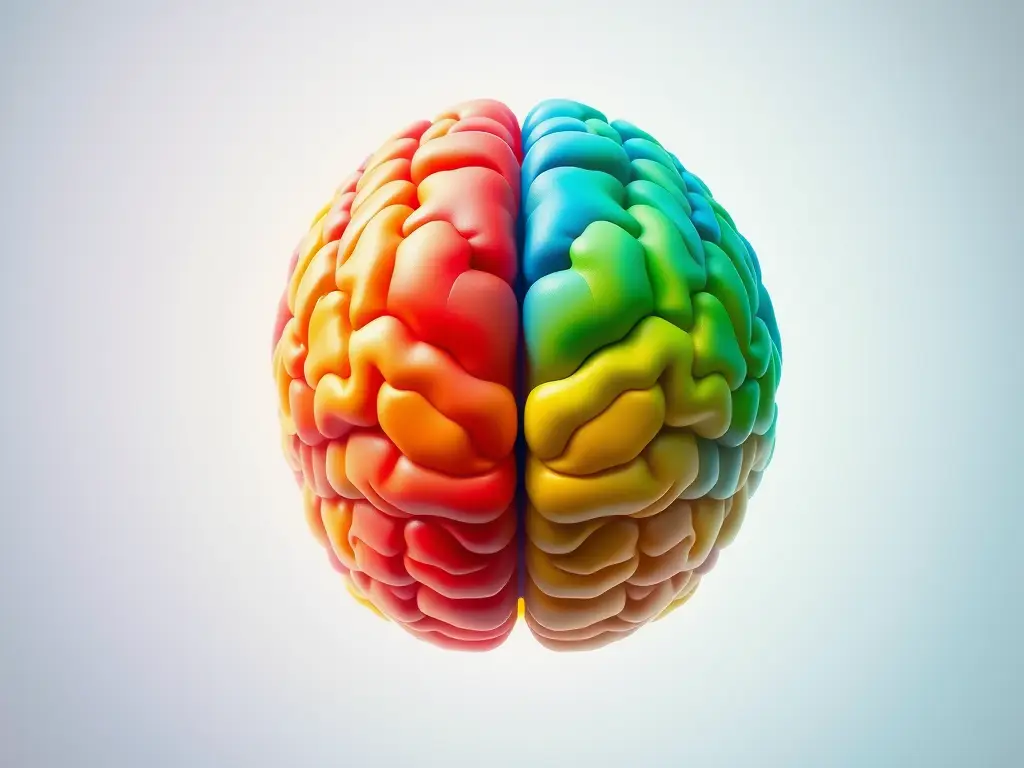
One of the most common patterns we observe is hemispheric imbalance, in which one side of the brain is underactive relative to the other. The left and right hemispheres of the brain have different, though complementary, responsibilities. When one hemisphere is underactive, the skills governed by that side often lag behind developmental expectations.
For example, an underactive left hemisphere may contribute to difficulties with language, reading, writing, sequencing, and analytical thinking. An underactive right hemisphere may affect emotional regulation, social awareness, spatial reasoning, and the ability to interpret nonverbal cues. When communication between hemispheres is inefficient, children may appear disorganized, emotionally reactive, inattentive, or inconsistent in their performance.
Importantly, these imbalances are functional, not permanent. The brain retains the ability to change through targeted, appropriate stimulation—a principle known as neuroplasticity.
Why Some Children Do Not Respond to Traditional Interventions
Educators routinely implement evidence-based strategies such as behavior plans, academic interventions, differentiated instruction, social skills training, and emotional support systems. While these tools are valuable, they often assume that the child has the neurological capacity to apply them consistently.
When a child’s brain systems for regulation, processing, or integration are underactive, the child may understand expectations intellectually but be unable to execute them neurologically. This can result in patterns where a child performs well one day and poorly the next, or excels in one environment but struggles in another. From the outside, this inconsistency may be misinterpreted as defiance, lack of effort, or poor motivation.
In reality, the child’s nervous system may simply be overwhelmed or inefficient. Until the underlying neurological systems improve, surface-level interventions often produce limited or temporary results.
What NeuroFiT Connections Actually Does
At NeuroFiT Connections, we focus on strengthening the neurological foundation that learning depends on. Our work begins with a comprehensive neurological assessment that evaluates how the child’s brain and nervous system are functioning across multiple domains. This includes balance and coordination, sensory integration, eye tracking, auditory processing, motor planning, reflex development, timing, rhythm, and emotional regulation patterns.
These assessments allow us to identify specific areas of underactivity and understand how those weaknesses affect the child’s daily functioning, including performance in school. Rather than focusing on labels or diagnoses, we focus on which brain systems need support and how to activate them effectively.
Once we understand the child’s neurological profile, we design a highly individualized program. These programs use targeted movement, sensory input, rhythm, and cognitive challenges to stimulate specific brain regions and improve communication between hemispheres. Every activity is selected with intention and purpose, based on the child’s unique neurological needs.
This is not generic exercise or traditional therapy. It is precise neurological stimulation designed to drive meaningful, measurable change.
Neuroplasticity: The Science Behind the Change
The effectiveness of our approach lies in neuroplasticity—the brain’s ability to change in response to appropriate stimulation. When underactive areas of the brain receive the correct type, frequency, and intensity of input, neural networks strengthen and efficiency improves.
As neurological function improves, many of the behaviors that once required constant correction begin to resolve naturally. Attention becomes more sustainable, emotional reactions become less intense, and cognitive processing becomes more efficient. Children often demonstrate improvements not because they are trying harder, but because their brains are finally working better.
This neurological growth often translates directly into classroom success. Tasks that once felt overwhelming become manageable. Instructions are processed more clearly. Emotional responses become more proportional. Learning becomes less exhausting.
Changes Educators Often Observe
Teachers frequently notice that children who are receiving neurological support become calmer and more regulated in the classroom. They may show improved ability to sit, listen, and transition between activities. Academic stamina often increases, allowing students to complete work more independently and stay engaged for longer periods of time.
Emotional regulation is another area of significant change. Children may experience fewer meltdowns, reduced anxiety, and greater frustration tolerance. Social interactions often improve as well, with better eye contact, increased awareness of peers, and more age-appropriate communication.
Perhaps most importantly, educators often see a shift in confidence. As the neurological burden decreases, children experience more success. Confidence grows naturally when competence increases, and this confidence often fuels further engagement and effort.
Collaboration with Schools and Educators
We believe strongly that neurological intervention and education should work together. Educators bring invaluable insight into how a child functions in real-world learning environments, and neurological support is most effective when it complements classroom strategies rather than competing with them.
When teachers understand that a child’s challenges are neurological in nature, it reframes the conversation. Expectations become more realistic, interventions become more compassionate, and collaboration with families becomes more productive. Teachers are no longer trying to “fix” behavior, but rather support development.
Our goal is not to replace educational services, special education supports, or therapy. Instead, we aim to strengthen the neurological systems that make all of those supports more effective.
What NeuroFiT Connections Is—and Is Not
It is important for educators to understand that NeuroFiT Connections does not provide tutoring or academic instruction, and we do not replace school-based services. We do not rely on medication, nor do we use one-size-fits-all programs. Each child’s program is individualized and based on their unique neurological needs.
What we do is address the root neurological causes that interfere with learning and behavior. By improving how the brain functions, we help children access their abilities more consistently remind educators and parents alike that many challenges are developmental, not behavioral.
Why This Matters for Educators
Teachers are often the first professionals to recognize that a child is struggling. Understanding the neurological foundations of learning allows educators to advocate more effectively, communicate more clearly with families, and reduce frustration and burnout. When behavior is understood as a neurological signal rather than a character flaw, the entire educational experience changes.
When the brain functions more efficiently, everything in the classroom becomes easier—for the student and for the teacher.
A Shared Mission
At NeuroFiT Connections, we share a mission with educators: helping children reach their full potential. By addressing neurological imbalances and strengthening underactive brain systems, we give children the opportunity to thrive academically, socially, and emotionally.
We deeply respect the work educators do and view our role as partners in supporting the whole child. When neurological barriers are reduced, children are finally able to show who they truly are—capable, resilient, and eager to learn.
How NeuroFiT Connections can Help Today
Understanding what is happening in a child’s brain is the first step in helping them reach their full potential. The next step is equipping educators with practical, brain-informed strategies they can use in the classroom to better support students’ neurological needs. These strategies may include simple adjustments such as preferred seating, the strategic use of music, or brief, targeted movement activities that can be integrated seamlessly into the school day. Additionally, collaborative discussions about students currently receiving care at NeuroFiT Connections—and the types of changes educators may observe as neurological function improves—can be especially valuable. These conversations help align classroom expectations with neurological development and ensure that educators feel informed, prepared, and supported.
If you would like to better understand how neurological development may be influencing the students you serve, we invite you to connect with NeuroFiT Connections. Educators are welcome to reach out in the way that works best for them—by emailing us at info@neurofitconnections.com, calling 833-NFC-KIDS, or scheduling an educator information session at https://calendly.com/doctor-tim/educator-info-session. These conversations are designed to be informative and collaborative, offering educators practical insight into brain-based development and how targeted neurological support can complement classroom strategies.